
Reviewed · WALKING TOURS IN MDINA
Malta: Mdina and Rabat Walking Tour with Catacombs
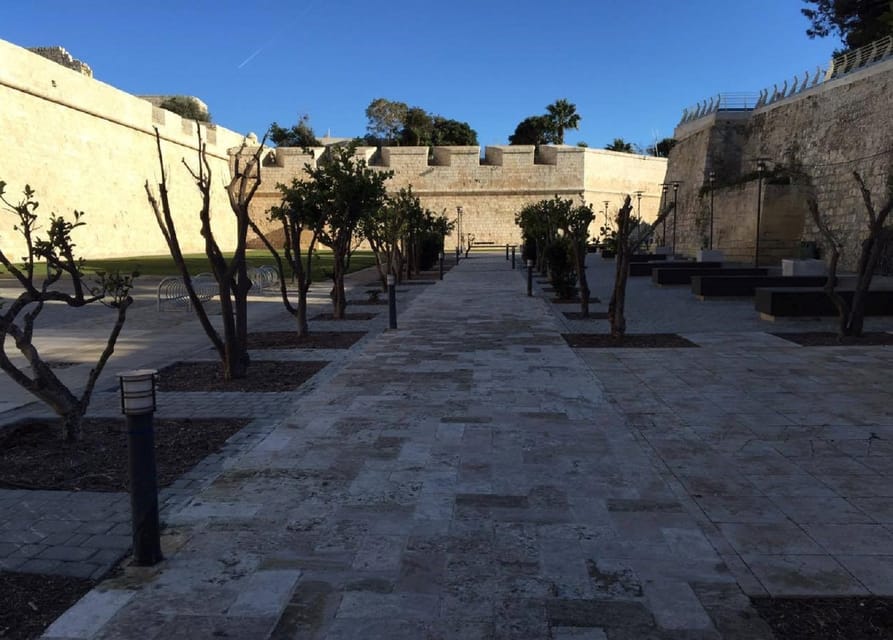
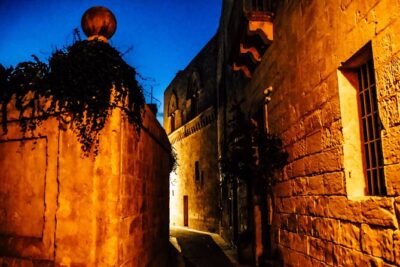
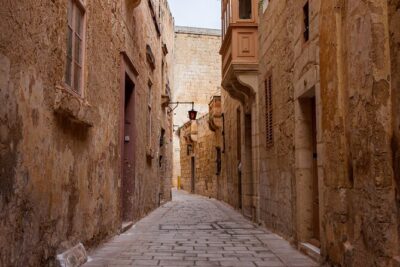
Mdina gives you Malta’s most atmospheric walk: a silent hilltop city of honey-colored stone, narrow lanes, grand palazzos, and bastion views. I like that the tour pairs the old capital with Rabat’s underground sites, so you get more than pretty streets and postcard views.
I also like the guide-led context. Guides such as Matthew, Carmel, Mario, and Dylan explain how Mdina and Rabat fit into Malta’s long story, often adding local family details, humor, and practical suggestions. The main drawback is that 2.5 hours can feel short, especially when the catacombs and shelters take you below ground and the group has questions.
Key points to know before booking
- Mdina’s narrow streets: Walk through a medieval city whose basic street plan has changed little over many centuries.
- Main landmarks included: See Palazzo Falzon, Greek’s Gate, St. Agatha’s Chapel, Banca Giuratale, Vilhena Palace, and Mdina Cathedral.
- Rabat adds substance: Enter the Wignacourt Museum for St. Paul’s Grotto, catacombs, and World War II shelters.
- Strong guide element: The best part is the clear storytelling from guides including Matthew, Carmel, Mario, Dylan, and Allysia.
- Good value at $29: Entry fees are included, making the price fair for a guided half-day outing.
- Prepare for walking and stairs: Wear good shoes, carry water and sunscreen, and note the conflicting accessibility information before booking.
Why Mdina makes such a good walking tour
Mdina was once Malta’s capital. Its position on a central plateau helped make it an important settlement for the Phoenicians, Romans, Arabs, Normans, and later rulers. The city’s older name, Città Notabile, means the noble city, and the title still fits its quiet streets and formal palaces.
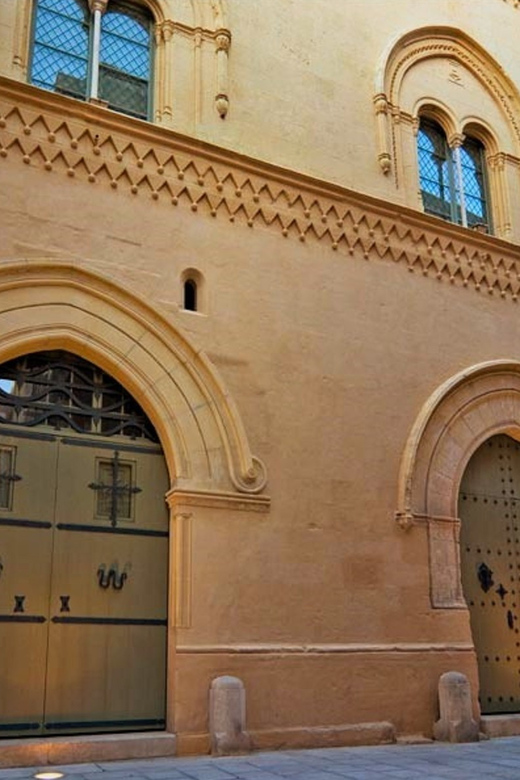
The appeal is not one single monument. It is the way the pieces fit together. You pass high stone walls, small chapels, decorated doorways, and grand residences in a compact area where cars are limited and the pace feels far removed from modern Malta.
I find Mdina much easier to understand with a guide. On your own, you can admire the stonework, but it is harder to see why the city mattered, how Arab rule shaped its layout, or why the rebuilding after the 1693 earthquake gave Mdina much of its baroque character. A good guide turns the walk from a pretty stroll into a lesson in how Malta developed.
More Walking Tours in Mdina
- Mdina and Rabat: Guided City Walking Tour
★ 4.8 · 549 reviews - Mdina and Rabat Walking Tour inc. Catacombs and St. Paul’s Grotto
★ 5.0 · 341 reviews - Mdina and Rabat – City Walking Tour
★ 5.0 · 215 reviews
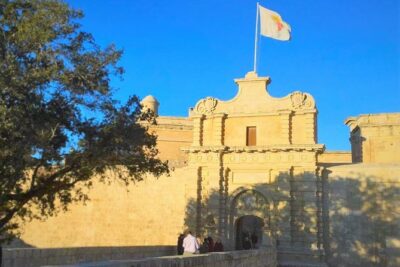
Starting outside Mdina Gate
The meeting point is outside Mdina Gate, next to the playing field. Give yourself time to find this spot, especially if you do not know the area. One person had trouble locating the tour but received help through WhatsApp, and another group was assisted after a public transport problem. That suggests the operator can help when plans go wrong, but you should still avoid arriving at the last minute.
Once inside the gate, the mood changes quickly. The city is compact, and the streets are easy to explore on foot, but the stone surfaces and uneven sections call for comfortable shoes. The supplied advice to bring water, a sun hat, sunscreen, and light clothing is sensible. Malta can be hot, and much of the walk takes place outdoors.
Your guide will set the historical frame before leading you through the main streets. The guides vary, but names that appear frequently include Matthew, Carmel, Mario, Dylan, Michael, and Allysia. Mario is a former history teacher, and several guides are praised for using humor without losing the thread of the story. That matters here because Mdina has many layers, and a list of dates would quickly become tiring.
Palazzo Falzon, chapels, and noble streets
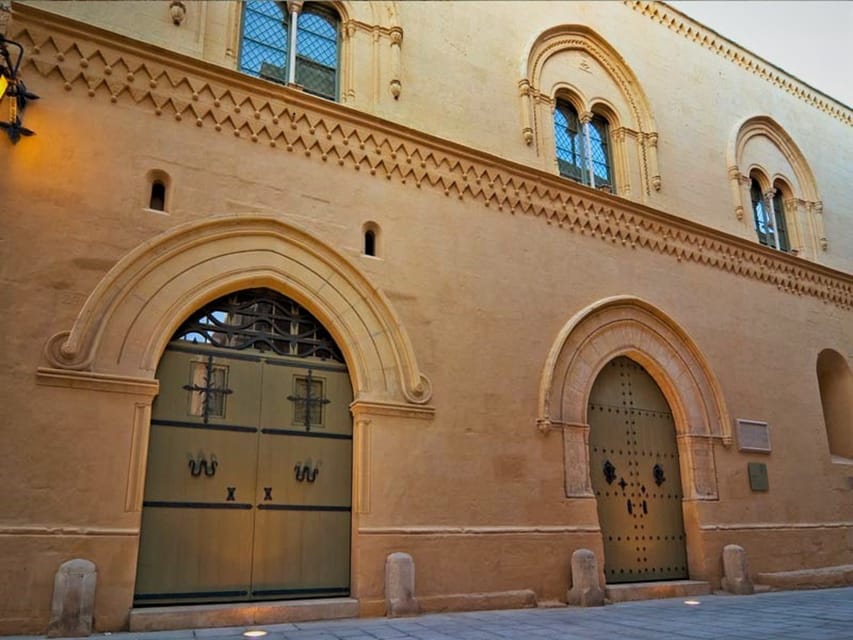
Palazzo Falzon is one of the key stops in Mdina. The city is filled with buildings that show how Malta’s ruling families and religious institutions shaped its appearance. You will see the contrast between the medieval street pattern and later baroque decoration, especially around the palazzos and churches.
The route also includes St. Agatha’s Chapel, the Banca Giuratale, and Vilhena Palace. Each stop helps explain the city’s civic and religious life. You may not spend long inside every building, so think of this as an orientation walk rather than a museum tour with extended viewing time.
The guides add value by pointing out details you could easily miss. Their explanations cover history, architecture, culture, art, commerce, and daily life. Some also connect the city to Malta’s film locations, including Game of Thrones references, if the group is interested. That kind of extra detail can make the streets feel less like a stage set and more like a lived-in place with a long memory.
The pace appears to be one of the tour’s strengths. Guides are described as careful not to rush, while still keeping the group on schedule. You will stop to listen, walk, and ask questions rather than race from one landmark to the next.
Greek’s Gate and Mdina Cathedral
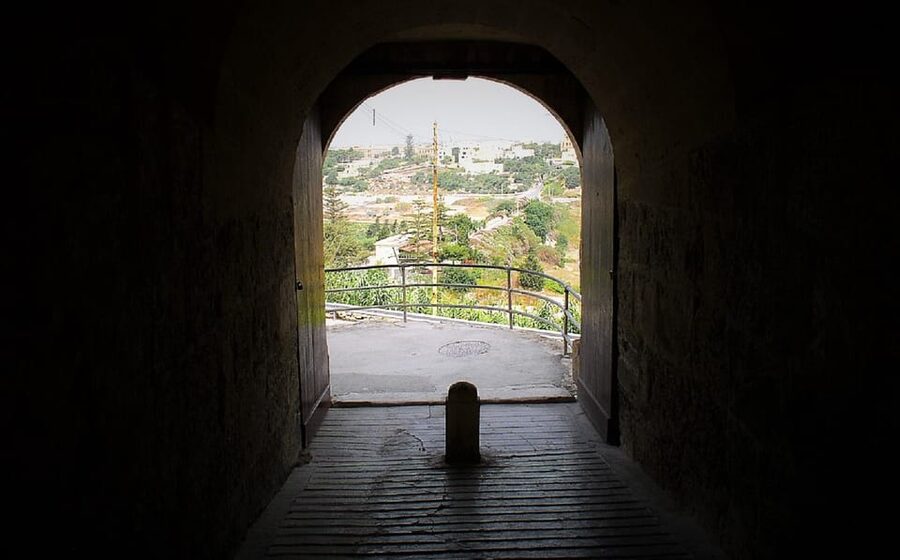
Greek’s Gate is another important Mdina sight. Gates are more than attractive entrances in a fortified city. They controlled movement, offered protection, and helped define the boundary between the city and the surrounding settlement. Your guide will give the gate a place in the wider story rather than treating it as a quick photo stop.
Mdina Cathedral is the visual high point of the old city. Its baroque design reflects the rebuilding that followed the 1693 earthquake, when much of Mdina was renewed. The cathedral and the bastion walls dominate the skyline, and together they show how the city recovered after its older medieval period.
Do not expect a long interior visit to every church or palace. The tour is designed to cover the principal sights and explain their importance while moving through the city. If you want extended time inside Mdina Cathedral or a detailed look at every museum room, you will need to return after the walk.
Same islands, a completely different kind of day:
- Malta: Highlights of Malta & Mdina Full Day Tour with Lunch
★ 4.4 · 2,688 reviews - Malta: Mdina, Dingli Cliffs and San Anton Botanical Gardens
★ 4.3 · 991 reviews - Mdina and Rabat Insider’s Tour
★ 5.0 · 528 reviews - Valletta: Vintage Bus to Valletta, Sliema, Rabat & Mdina
★ 4.1 · 433 reviews
The bastion views over central Malta

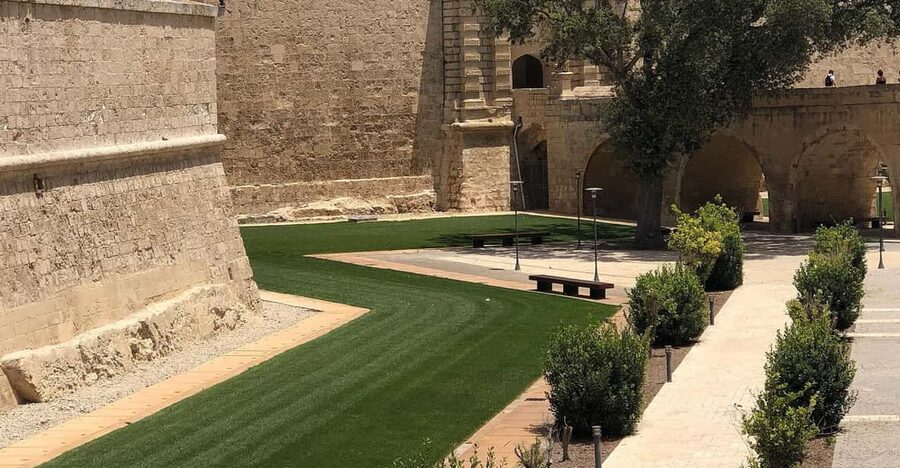
The bastion walls provide some of the best open views on the route. From this elevated position, you can appreciate why Mdina became such an important center. The city’s height made it defensible and gave it a commanding position near the middle of the island.
The views also offer a useful break from the close streets. After walking between stone walls and palaces, you get space, air, and a sense of Mdina’s setting. Bring water and sun protection because the exposed sections can feel warmer than the shaded lanes.
Weather can affect the experience. One tour continued successfully in rain because the guide moved the group under cover during the heaviest showers. Still, a light rain layer is a wise addition if the forecast looks uncertain. The tour runs in outdoor conditions, not inside a fully protected museum route.
Crossing into Rabat for the Wignacourt Museum
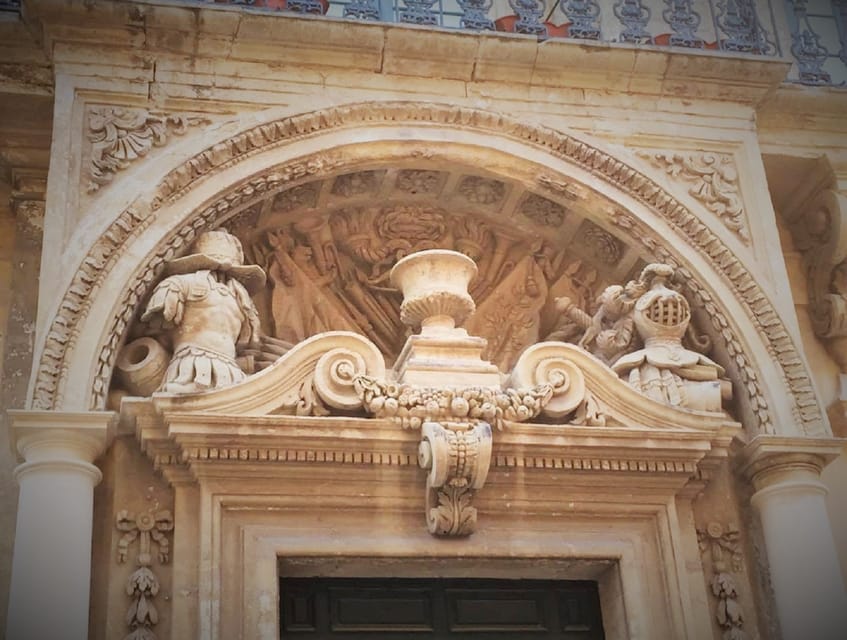
The second half moves into Rabat, the town beside Mdina. This is an important part of the experience because Rabat gives you a different view of Malta’s past. Mdina represents the fortified noble city, while Rabat brings you closer to the religious, domestic, wartime, and burial history surrounding it.
The tour enters the Wignacourt Museum, where the included admission covers St. Paul’s Grotto, the catacombs, and World War II shelters. Having these entries included is a real advantage at $29. You do not need to decide at each stop whether another ticket is worth buying, and the guide can connect the underground spaces to the story you have already heard above ground.
St. Paul’s Grotto adds an early Christian and religious layer to the tour. It is one of the places that gives Rabat a clear connection to Malta’s Christian tradition. Your guide will explain the site in context, which is helpful if you know little about the island’s religious history.
Catacombs and World War II shelters
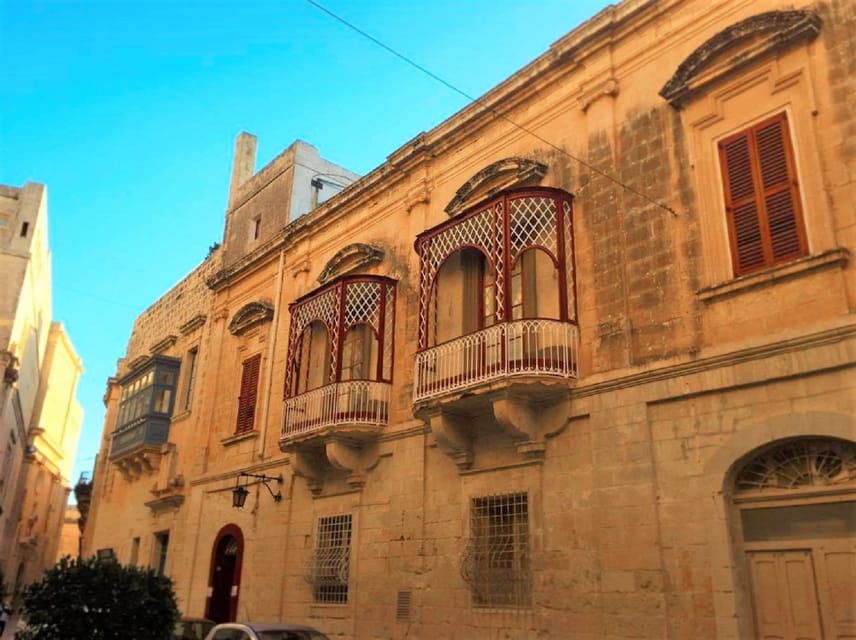
The catacombs are the most unusual stop. You leave the sunlit streets and enter spaces connected with burial practices and Malta’s ancient communities. The underground setting is interesting without being presented as a horror attraction. One visitor specifically found the catacombs fascinating rather than creepy or excessively claustrophobic.
That said, underground spaces affect people differently. Another visitor felt that the catacomb portion could be shorter because some areas are airless, and the guide warned the group about this. If you dislike enclosed spaces, tell your guide before descending. You may be able to skip part of the underground section, but the supplied information does not promise a specific alternative route.
The World War II shelters add a much more recent layer. Malta endured heavy wartime pressure, and these shelters show how ordinary people adapted to danger below ground. This stop is especially useful because it moves the tour beyond medieval architecture. You see that Malta’s past is not only about knights, churches, and fortifications. It also includes the experience of families protecting themselves during modern war.
The balance between catacombs and shelters is one of the route’s best choices. Ancient burial spaces can feel remote, while the wartime shelters make the island’s past more immediate. Together, they help you see Rabat as a place shaped by repeated periods of change.
How good are the guides?
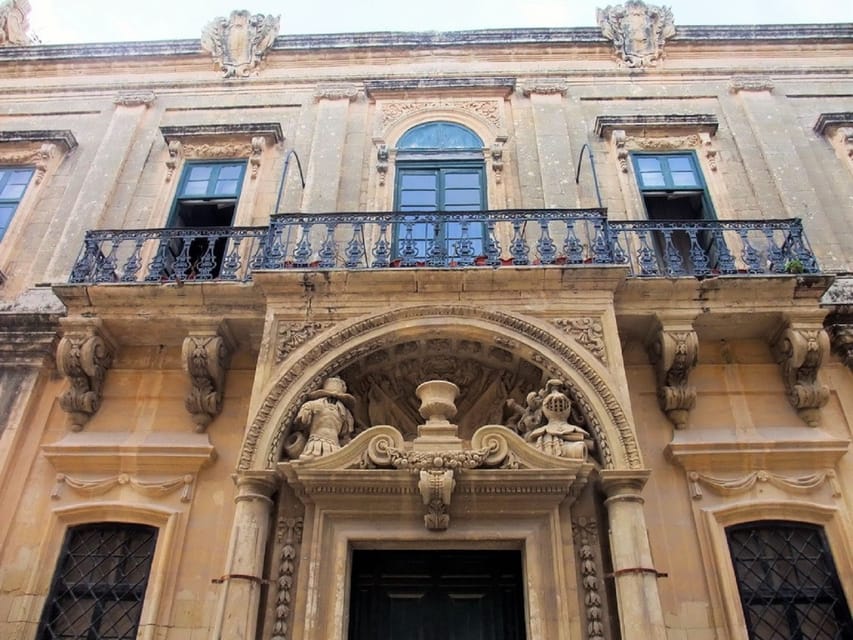
The guide is the main reason to book this rather than simply walk Mdina and Rabat on your own. The strongest descriptions are consistent: clear explanations, a relaxed pace, humor, and plenty of time for questions.
Matthew is often singled out for answering questions while keeping the route moving. Carmel is praised for warmth, humor, and explanations covering history, art, culture, and commerce. Mario brings a teacher’s approach and a clear enthusiasm for Malta’s past. Dylan is described as friendly, funny, and easy to follow.
You are not guaranteed a particular guide, but these names give you a useful idea of the guiding style. The tour is conducted in English, and the guides are licensed professionals. They appear comfortable adjusting the amount of detail to the group, adding personal stories or local facts when they help bring a place to life.
I would choose this tour if you want explanations rather than just directions. It suits first-time visitors especially well, but it can also add fresh detail if you have already seen Mdina. Several people who had visited before still found the local context useful.
Is $29 a fair price?
At $29 per person, this is a sensible price for a guided 2.5-hour walk with entrance fees included. You are paying for a licensed guide plus admission to the catacombs, World War II shelters, and St. Paul’s Grotto. Food, drinks, and transport are not included, so the final cost remains low if you can reach Mdina independently.
The value is strongest if you planned to visit the underground sites anyway. Entry fees can add up, and the guide helps you understand what you are seeing. If you only want to wander Mdina’s streets and take photos, you could spend less by exploring alone, but you would lose the historical structure and the Rabat admissions.
The schedule is listed as 2.5 hours, although some groups have taken closer to three hours. That may happen when the guide allows more questions or the route moves at a gentler pace. Do not schedule a tight connection immediately afterward.
Who should book this walking tour?
I would recommend it to first-time visitors who want a clear introduction to Mdina and Rabat in one outing. It is also a strong choice for people who enjoy history, architecture, religious sites, wartime stories, and guided walks with plenty of explanation.
Families with very young children may find the amount of walking, standing, and listening demanding. The route is not simply a short city stroll. You will move between outdoor streets and underground sites, and the content is more suited to older children and adults.
The accessibility information needs care. The activity is marked wheelchair accessible in one section, but another note says it is not suitable for people with mobility impairments or wheelchair users. Because the route includes historic streets, underground areas, and catacombs, contact the operator before booking if you have mobility concerns. Do not rely on the general accessibility label alone.
Book with comfortable shoes, water, sunscreen, and a hat. Food and drinks are not included, so bring what you need. Gratitude for the guide is optional, and cancellation is free up to 24 hours before the start. You can also reserve now and pay later, which helps if your Malta plans are still shifting.
Should you book Mdina and Rabat with the catacombs?
Book this tour if you want context, underground history, and a steady walking pace for a reasonable price. The combination of Mdina’s palaces and cathedral, Rabat’s grotto and catacombs, and the World War II shelters gives you a fuller picture than a Mdina-only walk.
Skip it if you dislike walking, standing, or enclosed spaces, or if you prefer to explore every monument at your own speed. For most first-time visitors, though, this is a practical way to meet Malta’s old capital, understand its neighbors, and leave with a clearer sense of how the island’s past fits together.
FAQ
How long does the Mdina and Rabat walking tour last?
The scheduled duration is 2.5 hours. Some groups have taken closer to three hours, so avoid arranging an immediate appointment afterward.
What places are included in the tour?
The route includes Mdina’s narrow streets, Palazzo Falzon, Greek’s Gate, Mdina Cathedral, Vilhena Palace, St. Agatha’s Chapel, the Banca Giuratale, and other notable sites. In Rabat, you enter the Wignacourt Museum for St. Paul’s Grotto, the catacombs, and World War II shelters.
Are entrance fees included?
Yes. Admission to the catacombs, World War II shelters, and St. Paul’s Grotto is included.
Is hotel pickup provided?
No. Hotel pickup and drop-off are not included. You meet the guide outside Mdina Gate, next to the playing field.
What language is the tour conducted in?
The live tour guide speaks English.
Is the tour suitable for wheelchair users?
The activity information gives conflicting details. One section marks it wheelchair accessible, while another says it is not suitable for wheelchair users or people with mobility impairments. Contact the operator before booking to confirm whether the specific route can meet your needs.
Just added around Mdina
- Malta: 5 hr Vintage Bus Tour – Mdina & Blue Grotto inc. food★ 5.0 · 22 reviews
- Valletta & Mdina: Private Tour★ 4.5 · 16 reviews
- Shore Excursion: Private Full-Day Tour of Valletta & Mdina★ 5.0 · 4 reviews
- Private Tour in Malta Prehistoric Temples & Mdina★ 5.0 · 4 reviews
- Rabat Mdina and San Anton Gardens Group Tour with St. Paul’s Catacombs★ 3.5 · 16 reviews
- Malta Shore Excursion: Private tour of Valletta and Mdina★ 4.5 · 8 reviews
- Valletta, Mosta and Mdina Night Tour★ 3.5 · 15 reviews
- Malta Private tour: 5hr Mosta Dome, Mdina, Dingli Cliff’s & Blue Grotto★ 4.5 · 36 reviews
Walking Tours in Mdina, compared.
Mdina and Rabat Walking Tour inc. Catacombs and St. Paul’s Grotto
Read our review →


Browse the lists this tour appears in