
Reviewed · MDINA & RABAT TOURS
Medina, Rabat and the pastizzi experience
Mdina and Rabat make an excellent pair for a short introduction to Malta. You begin at Saint Paul’s Cathedral, then move through medieval government buildings, fine art, Roman remains, and the Christian sites of Rabat before ending with a warm pastizz, Malta’s flaky filled pastry. It is a history walk with a useful local snack break, not just a march from monument to monument.
I like two things here. First, the small maximum of six people should make it easier to ask questions and hear your guide. Second, the route connects Malta’s different eras in a sensible way, from an ancient settlement to medieval Mdina and Rabat’s early Christian story. The main drawback is pace: two and a half hours is not long for so many stops, and hot, cold, or wet weather can affect the experience.
Key points about the Mdina and Rabat walk
- Small group format: The tour accepts no more than six people, giving you a better chance to speak with the guide.
- A broad slice of Malta: You see a cathedral, medieval law courts, a fine art museum, a Roman museum, Christian catacombs, and Rabat streets in one outing.
- Pastizzi included: The tour ends with a local pastry at Is-Serkin, also called Crystal Palace Bar, plus tea, coffee, or beer.
- Guides with personality: Julia is praised for being friendly, funny, attentive, and well informed. Silvia is also noted for her ability to bring Maltese history to life.
- Good value for a short tour: At $65, the price includes the pastizzi stop and a personal guide, though museum or site entry costs should be checked if they are not included.
- Weather matters: The activity requires good weather, and the open-air walk can be uncomfortable in strong heat, wind, cold, or rain.
Starting at Mdina Gate and Saint Paul’s Cathedral

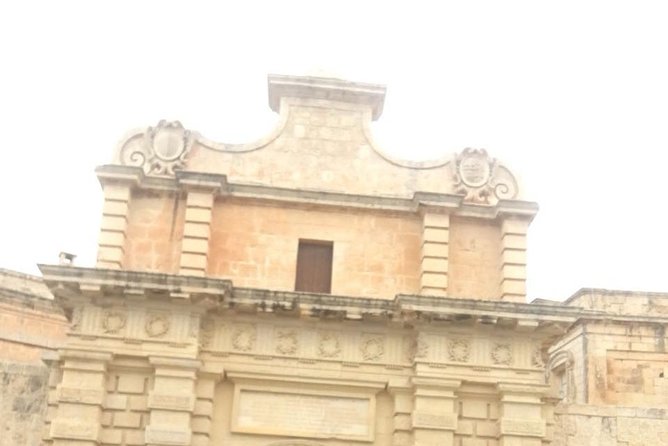
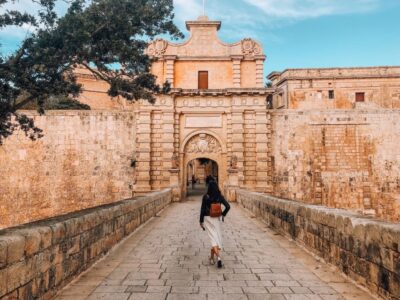
Meet at Mdina Gate at 2:30 pm. Mdina is Malta’s old fortified city, and the gate gives you a clear starting point for a walk through the island’s political and religious past. The tour finishes back at the same meeting point, which makes planning your afternoon easier.
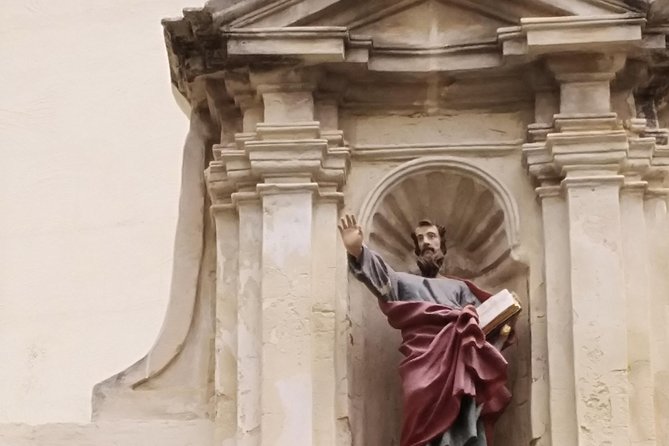
The first major stop is Saint Paul’s Cathedral. It is presented as the most important church among Malta’s 365 churches and serves as the seat of the Diocese. The site has been occupied since the ninth century BC, so this one place gives your guide plenty of room to explain how Malta’s religious and civic life changed over time.
You should expect the cathedral stop to be more than a quick photo pause. Its importance comes from both the building and the ground beneath it. A site used for so long can help you understand why Mdina became such a central place in Malta.
One practical point: the tour description does not promise an interior visit or a specific amount of time inside the cathedral. If seeing the interior is essential to you, ask the provider before booking. The walking route remains worthwhile, but you should know what kind of access is planned.
A few more Mdina half days worth comparing
- Malta: Highlights of Malta & Mdina Full Day Tour with Lunch
★ 4.4 · 2,688 reviews - Malta: Mdina and Rabat Walking Tour with Catacombs
★ 4.8 · 1,126 reviews - Malta: Mdina, Dingli Cliffs and San Anton Botanical Gardens
★ 4.3 · 991 reviews
Medieval courts and the old government of Mdina
The next stop brings you to the old law courts of the Universitas. In medieval Malta, the Universitas was the feudal government. This detail helps turn a handsome old building into something more useful: a place where you can picture how justice and administration worked before modern government.
I like this stop because it shifts the focus away from churches and grand views. Malta’s story is also about law, local authority, and the systems that shaped everyday life. A guide can make this brief stop meaningful by explaining who held power and how the medieval city was governed.
The tour is conducted at an easy pace according to the available feedback, but that does not mean it is physically effortless. You are walking through historic streets and moving between several sites. Wear shoes that are comfortable for city walking, and bring water, especially in warm months. The exact route and surface are not specified, so sensible footwear is the safest choice.
An old Mdina house and its fine art collection
The route then reaches one of Mdina’s oldest houses, now used as a museum of fine art collections. This gives the walk a change of mood. Instead of seeing Mdina only as a medieval city outdoors, you get a chance to connect its old domestic architecture with works of art.
The value of this stop depends partly on how much time the group has. With a two-and-a-half-hour tour covering several locations, you should expect an overview rather than a long museum visit. If you are passionate about art, note the museum and consider returning independently if the tour leaves you wanting more.
For most people, the stop works well as part of the larger sequence. The cathedral shows religious importance, the courts show government, and the old house offers a more cultural view of Mdina. You get a better sense of the city when these pieces are placed side by side.
Malta’s only Roman museum
The Roman museum is another useful change of focus. It is described as the only Roman museum in Malta, giving the tour a clear link to the ancient city that came before modern Mdina and Rabat.
This is where the chronology of the walk begins to make sense. You have started with a site occupied since the ninth century BC, passed through medieval government, and now look at Malta’s Roman period. The guide’s explanation matters here because a museum can feel disconnected without context.
The available information does not specify an admission fee or how long you spend inside. The tour price is $65, and pastizzi are included, but you should confirm which site admissions, if any, are covered. That is the main point to check when judging the final value.
Same islands, a completely different kind of day:
- Mdina and Rabat: Guided City Walking Tour
★ 4.8 · 549 reviews - Mdina and Rabat Insider’s Tour
★ 5.0 · 528 reviews - Valletta: Vintage Bus to Valletta, Sliema, Rabat & Mdina
★ 4.1 · 433 reviews - Malta: Mdina and Rabat Tour with Local Guide
★ 5.0 · 408 reviews
Rabat, the suburb beside Mdina
Rabat is described as the suburb of Mdina, and both cities were once part of the Roman city of Melita. The tour allows about 45 minutes in Rabat, with admission listed as free for this part of the experience.
This section gives you a calmer contrast to the fortified city. Rabat is also called the cradle of Christianity in Malta, so its importance is not only geographical. The walk brings together Roman Malta and early Christian Malta in the same compact area.
I especially like the Rabat portion because it broadens the day beyond Mdina’s famous walls. If you only visit Mdina, you can leave with a picture of Malta focused on fortifications and grand streets. Rabat adds a more local, residential setting and a different religious story.
The route does not promise free time for shopping or independent exploring. You will be following the guide, with the group’s schedule shaping the visit. That is useful if you want a clear introduction, but less suitable if you prefer to wander slowly and stop whenever something catches your eye.
Christian catacombs and Malta’s early faith
A further stop includes part of Rabat’s Christian catacombs. Malta has many burial places in and around Rabat, and the catacombs help show how early Christian communities used the area.
This is one of the more distinctive parts of the experience. Churches and museums are common features of historic city tours, but underground burial sites offer a different view of the past. They connect religious belief with the practical customs of burial and remembrance.
The information provided does not promise a full catacomb admission ticket or a complete underground visit. It says the tour includes part of the Christian catacombs, so I would treat this as an introduction rather than a detailed archaeological tour. If underground sites are your main reason for visiting Rabat, ask exactly which section is included.
You should also be comfortable with the general nature of the stop. Catacombs are burial places, not decorative attractions. The guide’s role is important here, and the best experience will come from clear explanations delivered with respect.
Pastizzi at Is-Serkin, Crystal Palace Bar
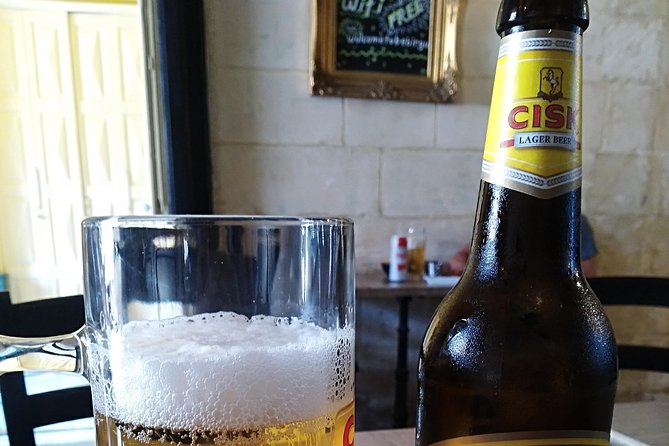
The final stop is Is-Serkin, also known as Crystal Palace Bar. This is where the tour becomes distinctly Maltese in a very simple way: you try pastizzi, a popular filled pastry that is widely regarded as one of the country’s cheapest snacks.
The tour includes the snack and a drink choice. In winter, pastizzi are suggested with hot tea or coffee. In summer, cold beer is the local-style option. The exact seasonal choice may depend on the conditions and the venue, but the important point is that the food stop is included rather than an extra cost at the end.
Pastizzi are part of ordinary Maltese food culture, which makes this a better finish than stopping at a generic café. You are not being asked to sit down for a formal meal. Instead, you get a quick taste of a familiar local food in a well-known bar.
If you have food allergies, advise the provider when booking. That is especially important with a pastry stop, since the ingredients and preparation may not suit every diet. The supplied information does not specify the filling, so ask before eating if you need to avoid a particular ingredient.
What the guides add to the experience
The guide can make or break a short history walk. Julia is repeatedly praised for her friendly manner, attention to the group, humor, and strong grasp of Maltese history. She is also described as willing to keep the experience enjoyable in difficult conditions, including heavy rain, strong wind, cold, and extreme heat.
One useful detail is that Julia has guided visitors in both Valletta and Mdina. If you have already toured Valletta with her, this walk can add a second part of Malta’s story rather than repeating the same material.
Silvia is also named as a guide. Her strength is described as more than knowing the facts. She can explain the city with real feeling and connect history with Maltese food and daily culture. That is exactly what this tour needs, since the route moves from churches and Roman sites to a simple pastry at a local bar.
The small group limit of six should help. You will not be lost at the back of a large crowd, and you should have a better chance to ask about details that interest you. Still, the guide assigned on your date is not guaranteed, so treat Julia and Silvia as examples of the provider’s guide team rather than a promise.
Price, timing, and comfort
The price is $65 for about two hours and 30 minutes. That is not the cheapest way to walk around Mdina and Rabat, since many of the outdoor sights can be seen without a paid tour. The value comes from having the route organized, receiving historical context, joining a group capped at six, and ending with included food and a drink.
The price makes the most sense if you are visiting Malta for a short time or want an efficient first look at the area. You are combining several historic themes in one afternoon instead of working out the route and background on your own.
The value is less clear if you want long museum visits or a slow photographic walk. The number of stops is ambitious for 150 minutes, and entry details for some museums and catacomb areas are not fully specified. Confirm what is included before you pay if admission costs are important to your budget.
The 2:30 pm start gives you a defined afternoon plan. The experience ends back at Mdina Gate, but the exact finish time can vary with the pace of the group and site access. The activity is near public transportation, and service animals are allowed. Most people can participate, though you should consider the heat and the amount of walking if either is a concern.
Weather is a real factor. This is an outdoor walking experience, and the provider may cancel in poor weather. If that happens, you are offered another date or a full refund. You can also cancel for a full refund up to 24 hours before the start time. Cancellations or changes inside that period are not refunded or accepted.
Who should book this Mdina and Rabat experience?
I would recommend this walk to a first-time visitor who wants a compact introduction to Malta’s history without spending a full day on a large bus tour. It suits anyone who likes churches, old government buildings, museums, Roman sites, and local food in one route.
It is also a good match for solo visitors, couples, and small groups who value conversation with a guide. The maximum of six is a real advantage if you want to ask questions about Maltese culture rather than only hear a prepared speech.
You may want another option if you dislike walking in heat, need a long stop at each museum, or want a tour focused almost entirely on archaeology. The catacombs are only part of the route, and the museums are included as stops rather than promised extended visits.
The current score is 4.7 out of 5 from 19 ratings, with 95 percent recommending the experience. The strongest pattern is clear: Julia and Silvia bring warmth, humor, and cultural context to the route. That personal quality is likely to matter more here than the number of monuments you can check off.
Should you book it?
Book this tour if you want a friendly, small-group introduction to Mdina and Rabat, with a well-chosen mix of religious, Roman, medieval, and Christian sites. The pastizzi stop gives the afternoon a local finish, and the $65 price is reasonable when the guide, snack, drink, and compact route fit your plans.
Skip it if you want a slow museum day or a detailed catacomb visit. Before booking, confirm which admissions are included, tell the provider about food allergies, and check the forecast. For most visitors who want context and a taste of Malta without a long commitment, this is a practical choice.
FAQ
Where does the tour start?
The tour starts at Mdina Gate, Mdina, Malta.
What time does the tour begin?
The scheduled start time is 2:30 pm.
How long does the experience last?
The tour lasts approximately two hours and 30 minutes.
Where does the tour end?
The activity ends back at the meeting point at Mdina Gate.
How many people can join the tour?
The tour has a maximum of six participants.
Is food included?
Yes. The tour includes pastizzi at Is-Serkin, also called Crystal Palace Bar. Tea, coffee, or beer is offered with the snack, depending on the season.
Can I cancel for a full refund?
Yes. You can cancel at least 24 hours before the start time for a full refund. Cancellations or changes made less than 24 hours before the start time are not refunded or accepted.
Just added around Mdina
- Malta: 5 hr Vintage Bus Tour – Mdina & Blue Grotto inc. food★ 5.0 · 22 reviews
- Valletta & Mdina: Private Tour★ 4.5 · 16 reviews
- Shore Excursion: Private Full-Day Tour of Valletta & Mdina★ 5.0 · 4 reviews
- Private Tour in Malta Prehistoric Temples & Mdina★ 5.0 · 4 reviews
- Rabat Mdina and San Anton Gardens Group Tour with St. Paul’s Catacombs★ 3.5 · 16 reviews
- Malta Shore Excursion: Private tour of Valletta and Mdina★ 4.5 · 8 reviews
- Valletta, Mosta and Mdina Night Tour★ 3.5 · 15 reviews
- Malta Private tour: 5hr Mosta Dome, Mdina, Dingli Cliff’s & Blue Grotto★ 4.5 · 36 reviews
Mdina & Rabat Tours, compared.
Highlights of Malta & Mdina Full Day Tour with Lunch
Read our review →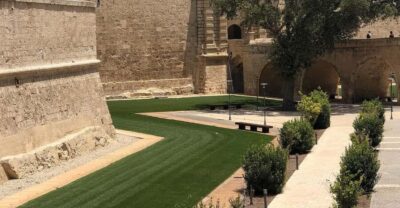
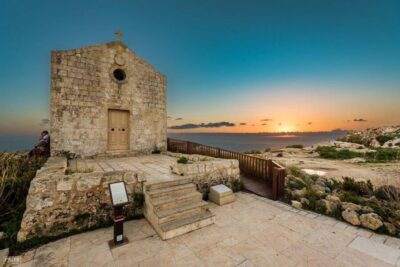
Mdina, Dingli Cliffs and San Anton Botanical Gardens
Read our review →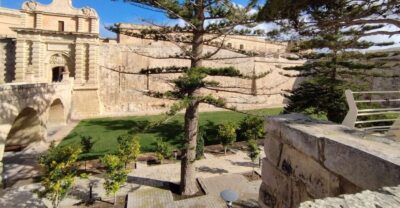
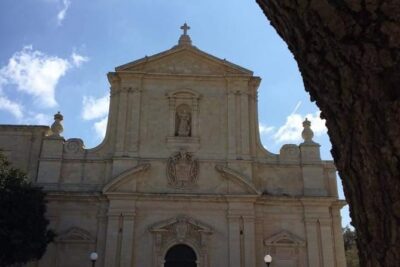

Mdina and Rabat Walking Tour inc. Catacombs and St. Paul’s Grotto
Read our review →Browse the lists this tour appears in