
Reviewed · WALKING TOURS IN VALLETTA
From Cospicua: Senglea, Bormla, and Birgu Walking Tour
Malta’s Three Cities are best understood on foot, where fortress walls, narrow lanes, old dockyards, and quiet waterfronts sit close together. This tour gives you that close-up view, starting at the Cospicua ferry landing and ending in Birgu, the most atmospheric of the three.
I like the route for two reasons: it connects Knights of Malta history with ordinary local life, and it gives you time in Birgu’s Collacchio quarter rather than rushing from one landmark to the next. Guides such as Karl, Chris, Lorraine, and Christian are praised for lively stories, humor, and clear explanations. The main consideration is that the tour finishes in Birgu, not Valletta, and the optional dghajsa boat ride back is not included.
Key points to know before booking
- Start at the Cospicua ferry landing: Meet your guide exactly where passengers get off the Valletta to Three Cities ferry.
- See Senglea, Cospicua, and Birgu: The route links the waterfront districts with the fortifications and old streets of Birgu.
- Spend the most time in Birgu: About 75 minutes are set aside for guided sightseeing there, including the Collacchio area.
- Expect stories, not just monuments: The tour covers the Knights of Malta, British naval activity, and the wartime suffering of Birgu.
- Budget $24 per person: That is a fair price for a 2.5-hour guided walk, especially if you value context and local anecdotes.
- Wear comfortable shoes: You will be walking through historic streets and around large defensive walls.
Why the Three Cities deserve your time
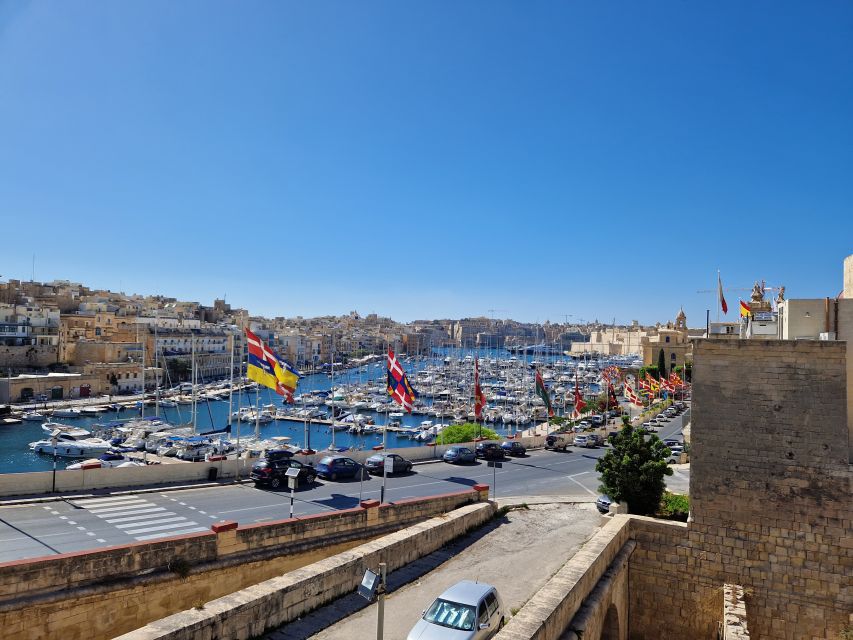
From Valletta, it is easy to look across the harbor and see the Three Cities as one fortified mass. On the ground, they feel quite different. Senglea, Cospicua, and Birgu each carry their own name, character, and place in Malta’s story, though their streets and waterfronts connect them.
The Knights of Malta gave these cities much of their military importance. Later, the British Royal Navy reshaped the area with drydocks and naval headquarters. During the Second World War, Birgu suffered especially heavy bombing. A walk here puts those layers together in a way that is hard to grasp from a museum display or a distant view from Valletta.
I also like that this is not simply a fortress tour. You walk beside yachts, pass through lived-in streets, and hear about local traditions and present-day communities. Several guides use personal stories and old photographs to connect major events with the places around you.
The tour lasts 2.5 hours, which is long enough to cover a good amount of ground without turning into an exhausting half-day march. The pace is often described as comfortable, with regular stops for explanation and questions. Still, this is a walking tour, so anyone with mobility concerns should think carefully about the historic streets and the amount of time spent on foot.
More Walking Tours in Valletta
- The Original Valletta Walking Tour
★ 5.0 · 2,719 reviews - Valletta: 3-Hour Walking Tour
★ 4.7 · 1,605 reviews - Valletta: Guided City Walking Tour
★ 4.8 · 1,256 reviews
Meeting the guide at Cospicua’s ferry landing
The tour begins at the Valletta Ferry Service landing in Cospicua. You meet the guide exactly at the unloading point as you step off the ferry from Valletta. That makes the start fairly simple, provided you know you are meeting after disembarking rather than at a separate office or café.
This starting point is useful in practical terms. You do not need to cross Valletta first or arrange a private transfer to a distant neighborhood. The ferry places you directly in the Three Cities, and the walk can begin at once.
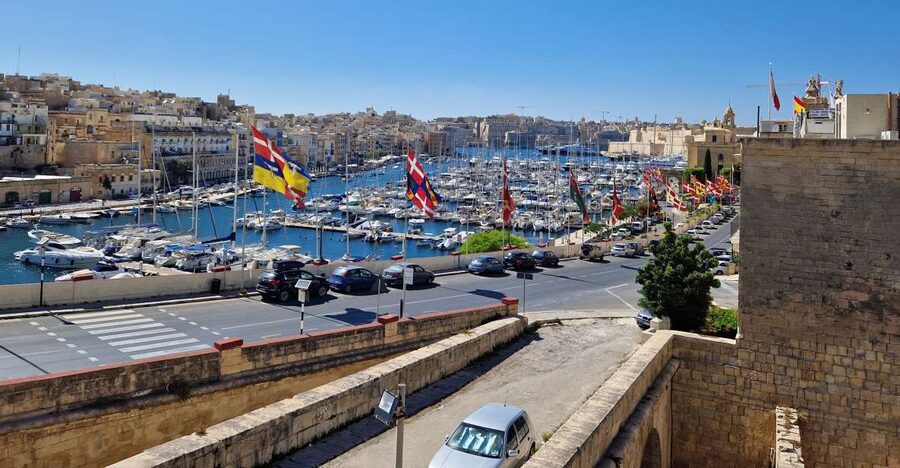
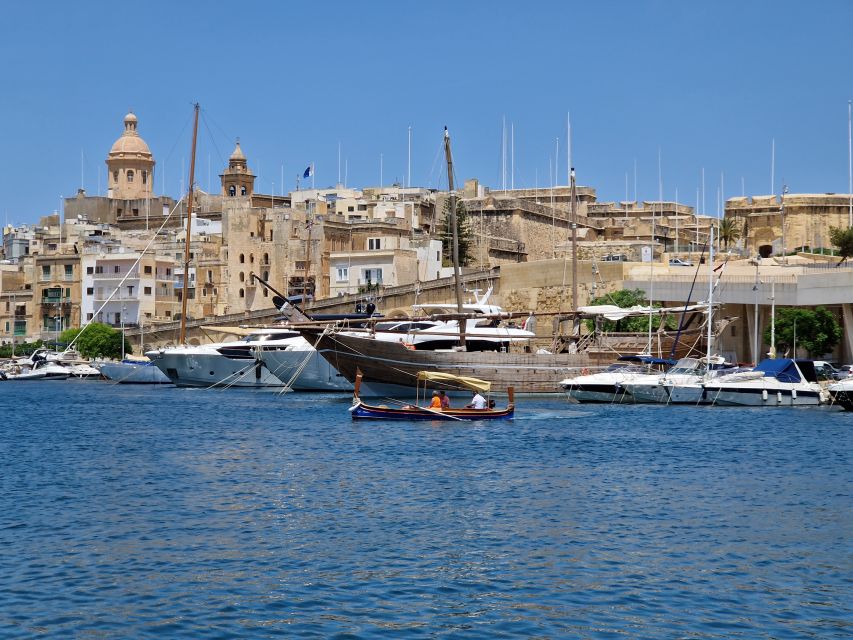
Your guide leads you through the waterfront areas of Senglea and Cospicua. The harbor is lined with yachts, and the setting gives you an immediate sense of why these cities mattered to naval powers. Across the water, the fortifications appear oversized and severe, a reminder that this was not built merely for decoration.
The early part of the walk also helps you get your bearings. Names can be confusing at first, since Cospicua is also known as Bormla and Birgu is also known as Vittoriosa. A good guide will keep those names clear as the route continues.
Senglea and Cospicua: harbor life beside heavy defenses
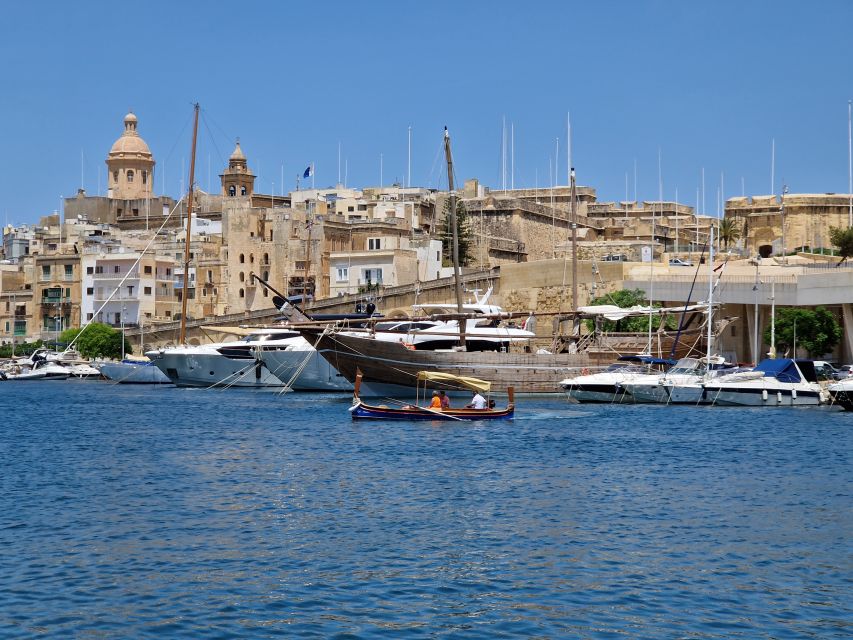
The Senglea and Cospicua section lasts about 30 minutes according to the planned schedule. It is shorter than the Birgu portion, but it provides important setting before the tour reaches the most concentrated collection of old streets and palaces.
Here, I would pay attention to the relationship between the water and the walls. The waterfront is relatively calm, with boats and yachts, while the fortifications remind you that this harbor was once a strategic prize. That contrast is one of the pleasures of the walk. Malta can feel sunny and relaxed one moment, then intensely military the next.
The British period is part of this story. The area became closely tied to the Royal Navy in the Mediterranean, with drydocks and naval offices shaping work and settlement. This gives the Three Cities a different feel from Valletta, where the Knights’ grand public buildings often dominate the conversation.
The guide’s commentary matters here because many of the most interesting details are not obvious. You can see walls, water, and old buildings on your own. You need local explanation to understand how the waterfront developed, how the communities were tied to the dockyards, and why the area suffered so heavily in wartime.
Crossing toward Birgu and its massive fortifications
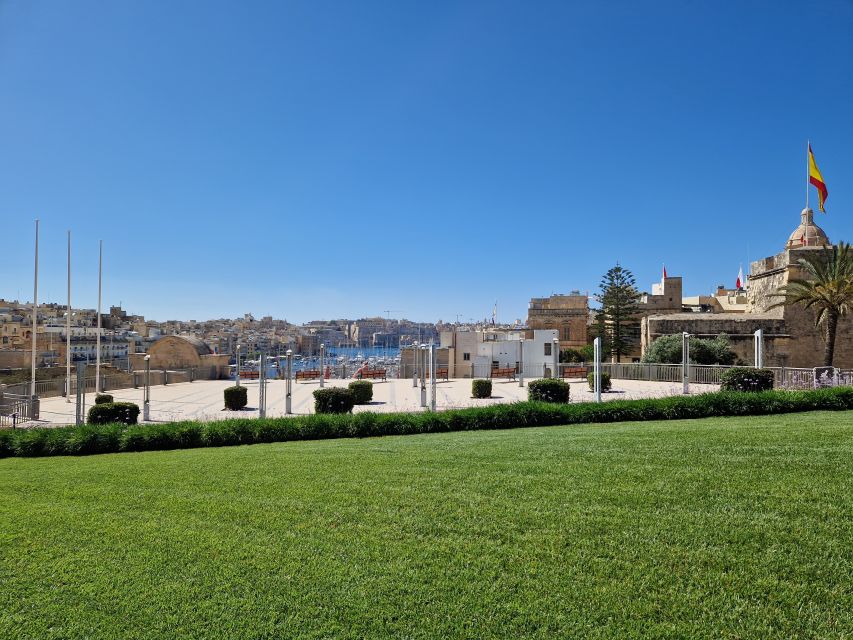
As you move toward Birgu, the fortifications become the main attraction. The walk includes views of the defenses as you cross the harbor area, with time for sightseeing and photographs at a viewpoint.
This is one of the strongest parts of the experience for anyone who likes visual history. Malta’s defensive architecture is not subtle. Thick walls, bastions, and harbor-facing positions fill the view. The guide can explain how these structures worked together, which makes the scale easier to understand.
The viewpoint is also a useful pause in a tour that could otherwise become a steady stream of streets and facts. You have time to take photographs and look back across the harbor. Bring a phone or camera, but do not let the picture stop replace the guide’s explanation. The value here is in understanding how the cities, harbor, and fortifications fit together.
The exact route can vary slightly with local conditions, but the stated plan includes a photo stop, guided sightseeing, and a walk of about 15 minutes in this section. Treat it as a scenic transition rather than a separate attraction with a long visit.
Same islands, a completely different kind of day:
- Valletta: Street Food and Culture Walking Tour
★ 4.8 · 1,251 reviews - Valletta: City Walking Tour in a Small Group
★ 4.9 · 957 reviews - From Sliema: Valletta and the Three Cities Scenic Cruise
★ 4.3 · 763 reviews - Valletta: Guided Walking Tour with Optional Cathedral Tour
★ 4.3 · 758 reviews
Birgu’s Collacchio quarter and Knights-era palaces
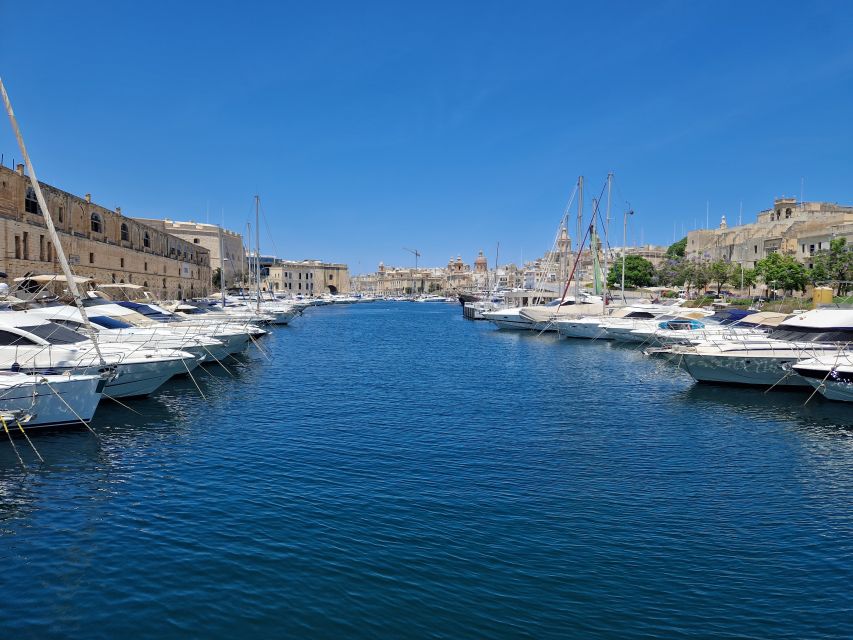
Birgu receives the longest portion of the tour, about 75 minutes. That is sensible. It has the most concentrated sequence of narrow streets, palaces, churches, and military sites, and it is the place where the walking experience feels most intimate.
The Collacchio area is especially atmospheric. Its winding lanes were shaped by the city’s medieval and Knights-era development, and they reward a slow pace. This is not a part of Malta you should hurry through while looking only for a major doorway or church facade.
The palaces built by the Knights after their arrival in 1530 are central to the story. They show how the order brought military power, administration, and ceremony into the city. You will not simply hear dates and names. The better guides explain how these buildings fit into the life of the order and the changing role of Birgu.
Birgu is also known as Vittoriosa, a name that reflects its military reputation. You should expect the guide to use both names. If you are unfamiliar with Malta, this can be slightly confusing, but it becomes manageable once the guide explains the local terminology.
The streets are one of the reasons I would choose this tour instead of relying only on a harbor cruise. A boat can show you the defenses from outside. Walking through Birgu lets you notice the proportions of the lanes, the old stonework, and the way grand palaces sit beside much more modest homes.
The Second World War and Birgu’s hard years
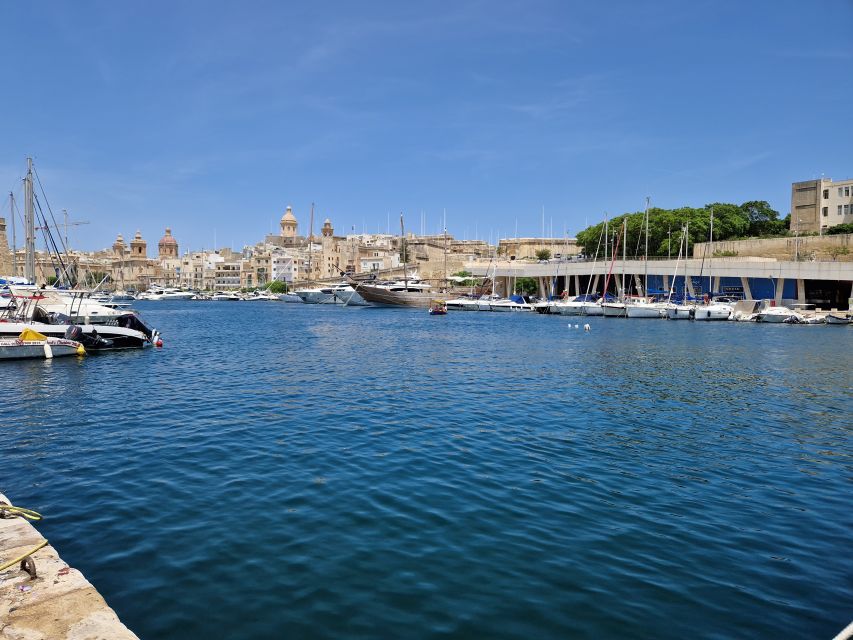
The tour does not present Birgu as a postcard preserved in amber. It also covers the city’s experience during the Second World War, when it was the most heavily bombed area in the Maltese Islands.
That part of the walk adds needed balance. The palaces and fortifications are impressive, but they are only one part of the city’s story. Birgu’s residents had to live with air raids, destruction, and the demands of a major naval center.
This is where a local guide can make a real difference. A date on a plaque tells you when something happened. A clear explanation can show how the event changed streets, families, work, and daily life. Guides such as Chris and Karl are repeatedly praised for combining facts with anecdotes, while Lorraine is noted for explaining both Malta’s past and its present.
If you enjoy military history, you will find plenty to think about. If you normally avoid military sites, the human side of the story may be what keeps this section engaging. The tour treats the war as part of the city’s lived experience rather than as a list of battles.
The British Navy, drydocks, and a working harbor
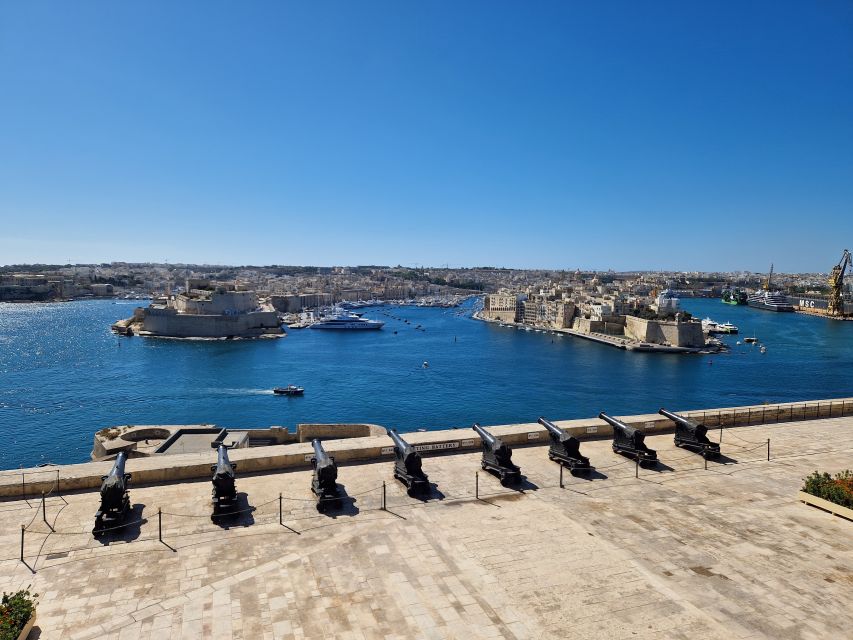
The British naval chapter helps explain why the Three Cities remained important after the Knights. Drydocks and the Royal Navy’s Mediterranean headquarters brought work, ships, and military infrastructure to the area.
This is a useful counterpoint to the more famous Knights narrative. Malta’s history did not stop when the order left. The harbor continued to shape the economy and identity of the cities, and the naval presence influenced local communities for generations.
I like tours that show how grand international events reach ordinary streets. Here, the harbor is not just scenery. It is the reason the cities grew, the reason they were defended, and the reason they later became targets.
The guide’s style will affect how much you get from this material. The strongest guide reports describe a light touch, good humor, and stories that connect local life with global events. Names that appear repeatedly in the guide team include Karl, Chris, Lorraine, and Christian. The assigned guide can vary, but the experience is designed around live English commentary rather than an audio recording.
Ending by St. Laurence Church and the optional dghajsa
The tour finishes on Birgu’s waterfront, in front of St. Laurence Church. This is a pleasant place to end because you are beside the water and close to the harbor views that frame the whole visit.
From there, you can take a dghajsa back toward Valletta. These traditional Maltese boats are similar in appearance to gondolas, but the boat ride is not part of the $24 tour price. You will need to arrange and pay for it separately.
This detail matters when planning your day. If you want the boat ride, allow extra time and money rather than assuming the walking tour includes the return trip. If you prefer not to take it, the tour still ends at a useful waterfront location in Birgu.
The endpoint also means you should not plan to be back in Valletta at the exact moment the 2.5 hours finish. The tour’s stated ending is in Birgu, not at the original ferry landing. That is not a flaw, but it is an important part of the plan.
Is $24 a fair price?
At $24 per person, this is good value if you want the Three Cities explained rather than simply photographed. You are paying for 2.5 hours with a live English-speaking guide, a route through three historic areas, and context about the Knights, the British Navy, and the Second World War.
The price is especially reasonable for a small-group experience, though group size is not fixed in the information provided. Some departures have been described as intimate, with around five people, while another group included about ten. A smaller group usually makes it easier to ask questions, but you should not assume every departure will have the same size.
You are not paying for hotel pickup, meals, entry tickets, or the dghajsa. The tour is best viewed as a guided introduction to the streets and waterfronts, not an all-inclusive day trip.
The free cancellation policy allows cancellation up to 24 hours ahead for a full refund, and you can reserve now and pay later. Those terms are useful if your Malta plans are still moving around, but the main value remains the guide and route.
Who will enjoy this walk most?
I would recommend it to first-time visitors staying in Valletta who want to see the harbor from the opposite side. It also suits history fans, photographers, and anyone who prefers local streets to a large coach tour.
You will get the most from it if you enjoy listening, asking questions, and walking at a moderate pace. The guides are praised for humor, personal anecdotes, and clear English, so the experience is not limited to visitors with a specialist interest in military history.
It may be less suitable if you want to enter many buildings or spend a long time inside museums. The experience focuses on outdoor sightseeing, streets, walls, waterfronts, and storytelling. It also may not suit anyone looking for a completely flat or effortless outing. Comfortable shoes are specifically recommended.
Small details that make the walk better
Wear shoes that can handle several hours of walking. The route includes old streets, waterfront areas, and fortification viewpoints, so comfort matters more than dressing up.
Keep your schedule flexible after the tour. Since you finish in Birgu and the dghajsa ride is optional, you may want to stay in the area rather than rush immediately back to Valletta.
Ask questions. The guides are repeatedly praised for answering them and for adding local stories beyond the basic historical facts. A question about the harbor, a building, or wartime life may lead to one of the most memorable parts of the walk.
If you have already taken a Valletta tour with Karl, Chris, or another guide, this outing can work well as a follow-up because the Three Cities help explain what you saw across the water. It also makes sense as a first walking tour if you want a quieter introduction before tackling more crowded parts of Malta.
Should you book the Three Cities walking tour?
Book it if you want a well-paced introduction to Senglea, Cospicua, and Birgu, with the emphasis on stories and local context. At $24, the tour offers solid value, and the repeated praise for guides such as Karl, Chris, Lorraine, and Christian suggests that the human side of the experience is a major strength.
Choose something else if you need hotel transport, included attractions, or a guaranteed boat ride back to Valletta. You should also be ready for a fairly active walk and an ending in Birgu.
For most visitors based in Valletta, I would book this tour early in the stay. It gives you a clearer picture of the harbor, the fortifications, and Malta’s long military and naval story. Afterward, you can return to the Three Cities on your own and spend more time in the corners that caught your attention.
FAQ
Where does the tour begin?
It begins at the Valletta Ferry Service landing in Cospicua. Meet the guide exactly where you get off the Valletta to Three Cities ferry.
How long does the walking tour last?
The tour lasts 2.5 hours. The planned route includes about 30 minutes in Cospicua, around 75 minutes in Birgu, and a further viewpoint and walking section.
Which languages are offered?
The tour is conducted in English with a live guide.
Does the tour include a boat ride back to Valletta?
No. A dghajsa, a traditional Maltese boat similar to a gondola, can take you back toward Valletta, but that ride is not included in the tour price.
What should I bring?
Bring comfortable shoes, since the experience involves walking through waterfront areas, historic streets, and around fortifications.
What is included in the $24 price?
The price includes the tour guide. Hotel pickup and drop-off, as well as the dghajsa ride to Valletta, are not included.
Just added around Valletta
- Valletta: Private Maltese Cuisine Walking Tour★ 4.8 · 8 reviews
- Valletta: Private Massage from a world renowned masseuse★ 4.6 · 9 reviews
- Valletta: Guided Walking Tour★ 3.8 · 5 reviews
- Valletta : Highlights & Hidden Gems Walking Tour★ 3.1 · 5 reviews
- Valletta: Express Walk with a Local in 60 minutes★ 4.9 · 4 reviews
- Valletta: Food and Culture Private Tour★ 4.9 · 10 reviews
- Valletta Aperol Spritz Aperitivo Experience★ 4.6 · 27 reviews
- Valletta (UNESCO) guided tour, Malta Experience (included), Cathedral (optional)★ 4.0 · 9 reviews
Walking Tours in Valletta, compared.
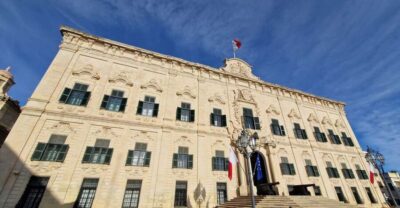
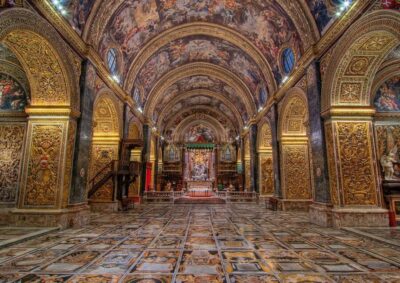
Guided Walking Tour with Optional Cathedral Tour
Read our review →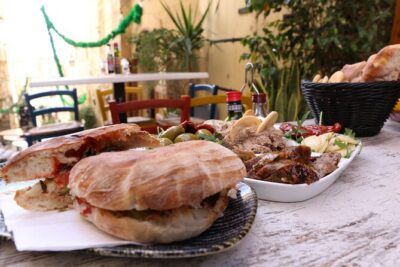
The Valletta Street Food and Culture Walking Tour
Read our review →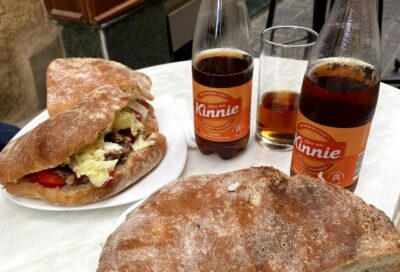
Browse the lists this tour appears in