
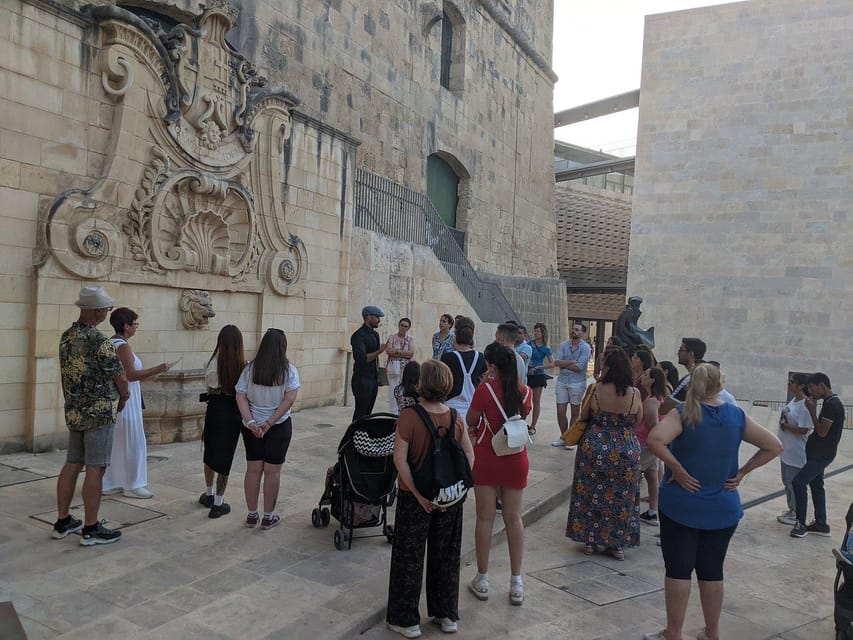
Reviewed · WALKING TOURS IN VALLETTA
The Grand Tour of Valletta: A walking tour of Valletta.
Valletta’s story is unusually dramatic: a fortified city born from the Great Siege of 1565, shaped by the Knights of Malta, and badly damaged in the Second World War. This two-hour walking tour gives you the broad story without burying you in dates.
I like the intimate feel and the theatrical approach, especially when guides such as Rafa, Leila, Leyla, and Lailla bring the Knights’ lives into focus. I also like the value: $24 buys a live English-speaking guide, a useful introduction to Valletta, and a stop at Upper Barrakka Gardens. The main drawback is pace. One person wanted more walking and shorter fact stops, so this suits you best if you enjoy explanations more than constant movement.
Key points at a glance
- Knights, sieges, and gossip: Hear about the Great Siege, the Knights’ lavish lives, their vow of chastity, and the origins of St John Ambulance.
- A compact Valletta route: Visit the Royal Opera House, Auberge de Castille, and Upper Barrakka Gardens in two hours.
- A theatrical guide style: Guides with arts and acting backgrounds may turn dates and names into memorable stories.
- A useful first look: The tour helps you understand Valletta before visiting places such as St. John’s Co-Cathedral or the Grandmaster’s Palace on your own.
- Good value at $24: You get a professional English-speaking guide, but museum entrance fees are not included.
- Easy booking terms: You can cancel up to 24 hours before the tour for a full refund, and reserve now while paying later.
Why Valletta’s story works best on foot
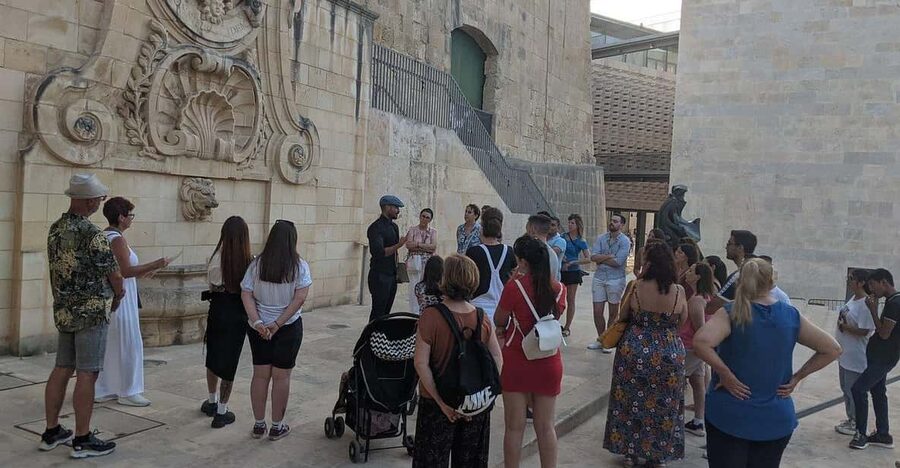
Valletta is compact, but its past is not. The city packs military history, religious power, royal ambition, and wartime damage into a small fortified setting. A walking tour helps connect those pieces as you move from one landmark to the next.
This is not simply a checklist of photo stops. The guide’s job is to explain why the Knights of Malta built the city, how the Great Siege shaped its identity, and what daily life looked like for men who took religious vows while living in considerable comfort.
That contrast gives the tour much of its appeal. You hear about a vow of chastity alongside a lavish lifestyle. You learn about the Knights from their crusading era through their time in Malta and into the present day. Those tensions make the subject easier to remember than a string of dates.
The format also suits a first afternoon in Valletta. You get a working outline of the city, then you can decide which buildings deserve a longer visit later.
More Walking Tours in Valletta
- The Original Valletta Walking Tour
★ 5.0 · 2,719 reviews - Valletta: 3-Hour Walking Tour
★ 4.7 · 1,605 reviews - Valletta: Guided City Walking Tour
★ 4.8 · 1,256 reviews
Meeting at Triton Fountain
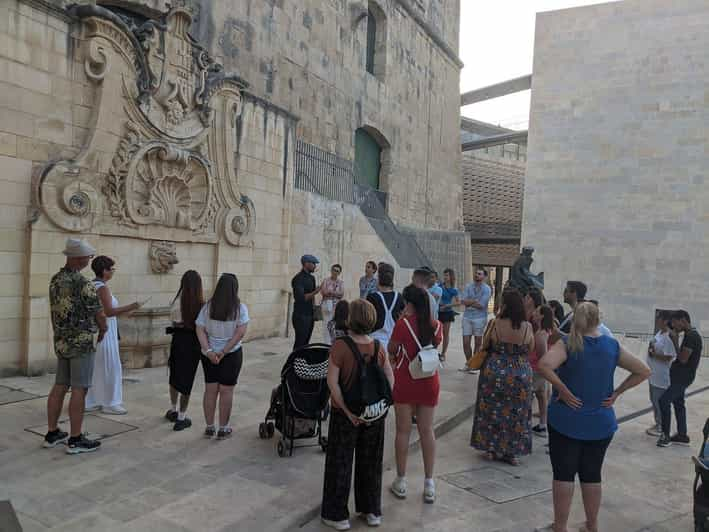
The walk begins at Triton Fountain, where guides gather with a House of Tours board. That makes the meeting point fairly clear, but allow yourself enough time to find the fountain and locate the correct sign.
Starting outside the old city gives the guide a useful opening. You can begin with Valletta’s role as a fortified city before moving toward its formal streets and grand buildings. The tour then takes you into the core of Valletta rather than asking you to spend the first part finding your bearings.
The group is intended to feel intimate instead of like a large procession. No exact group size is provided, so do not book expecting a private tour. Still, the small-group aim matters if you want to ask questions. The guide can respond to your interests instead of delivering a speech to a crowd.
The tour is conducted in English. That is worth noting if you want detailed explanations of the Knights, Malta’s religious past, or the city’s wartime story.
Royal Opera House: a reminder of change
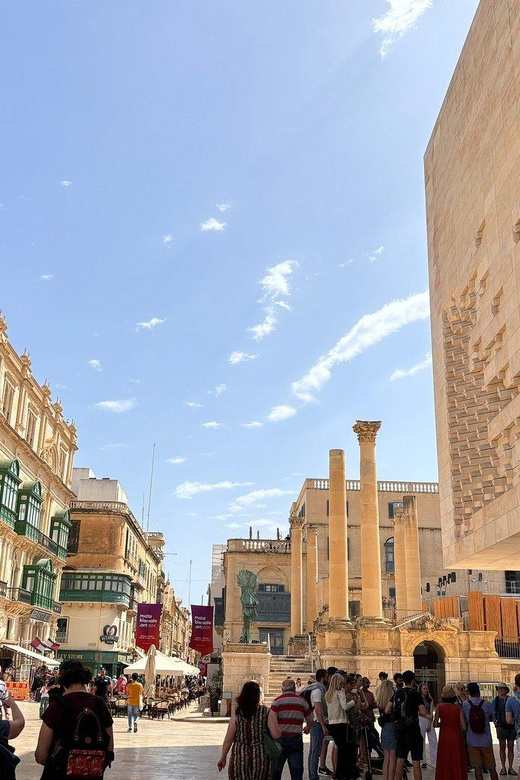
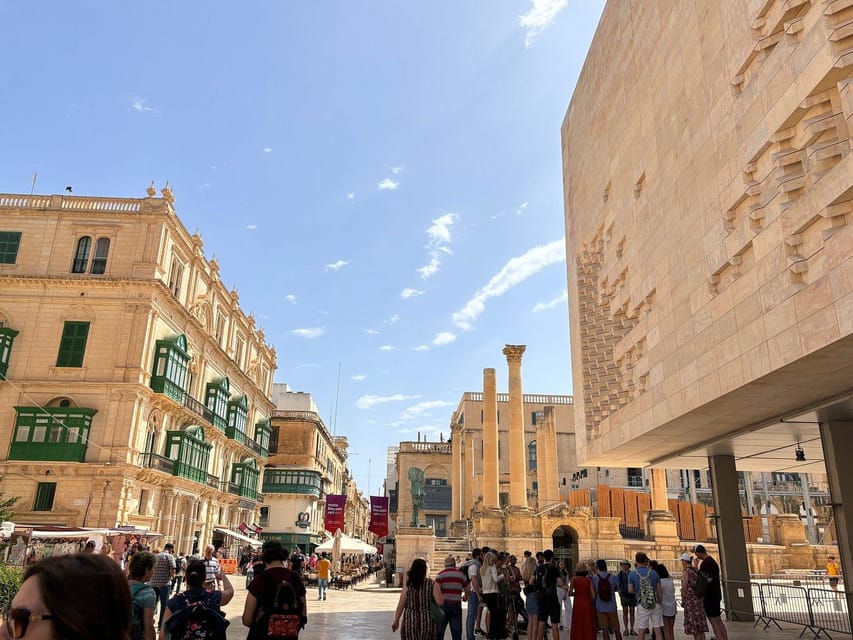
The first named stop is the Royal Opera House, with about eight minutes of guided explanation. This is a short visit, so expect an introduction rather than a long architectural study.
The site helps show that Valletta is not frozen in the era of the Knights. The city has seen grand civic ambition, destruction, and change. The Royal Opera House gives the guide a way to discuss that later chapter while keeping the walk tied to visible places.
Eight minutes can work well early in a tour. You get context without spending too long at the first stop. On the other hand, if you want a detailed account of the building itself, this will feel brief.
I would treat the stop as part of the larger story rather than as a stand-alone attraction. Listen for how the guide links the building to Valletta’s changing fortunes. The tour’s theatrical style should be especially useful here, since a bare description of a damaged or altered building is less memorable than a story about what happened to it.
Auberge de Castille and the Knights’ power
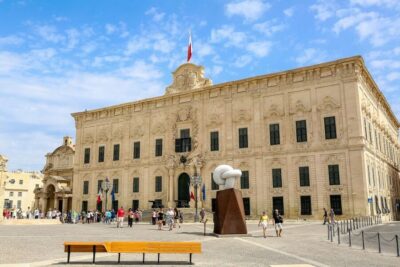
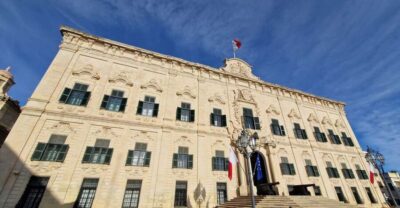
The route continues to Auberge de Castille, where the guided stop lasts about eight minutes. This is one of the places where the Knights’ hierarchy and political reach come into view.
The word auberge refers to the lodging houses associated with the different language groups within the Order of St John. The supplied tour material specifically points you toward the Knights’ lives, their organization, and their lavish habits, so this is a natural place to pay attention to the social side of the order.
You should expect the guide to explain what the building represented, not simply point at its facade. The most useful part is the contrast between religious duty and worldly power. The Knights were tied to crusading traditions and vows, yet they also operated with ceremony, wealth, and rank.
One particularly useful connection from the tour is the link between the Knights of St John and St John Ambulance in the United Kingdom. That detail gives the history a modern hook. It also helps explain why the order still appears in institutions and symbols far beyond Malta.
Same islands, a completely different kind of day:
- Valletta: Street Food and Culture Walking Tour
★ 4.8 · 1,251 reviews - Valletta: City Walking Tour in a Small Group
★ 4.9 · 957 reviews - From Sliema: Valletta and the Three Cities Scenic Cruise
★ 4.3 · 763 reviews - Valletta: Guided Walking Tour with Optional Cathedral Tour
★ 4.3 · 758 reviews
Upper Barrakka Gardens and the best pause
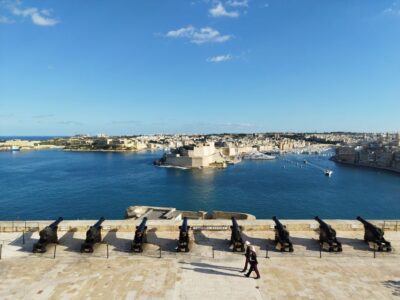
Upper Barrakka Gardens is the longest named stop, with about 15 minutes for guided explanation and photographs. It is also the clearest pause in the route.
You will have time to take pictures and look out from the gardens while the guide continues the story. The setting provides a break from close streets and stone walls, and it gives the city’s defensive purpose more meaning. From a high viewpoint, Valletta’s position and fortified character are easier to grasp than they are at street level.
This is a good place to ask questions. The tour specifically encourages questions, and the open setting makes it easier to pause without blocking a narrow street.
The 15-minute limit is worth keeping in mind. You get a useful view and a guided explanation, but not an unhurried garden visit. If you want to take many photographs, you may need to be selective. I would have your camera ready before the stop begins.
What the guide adds to the landmarks
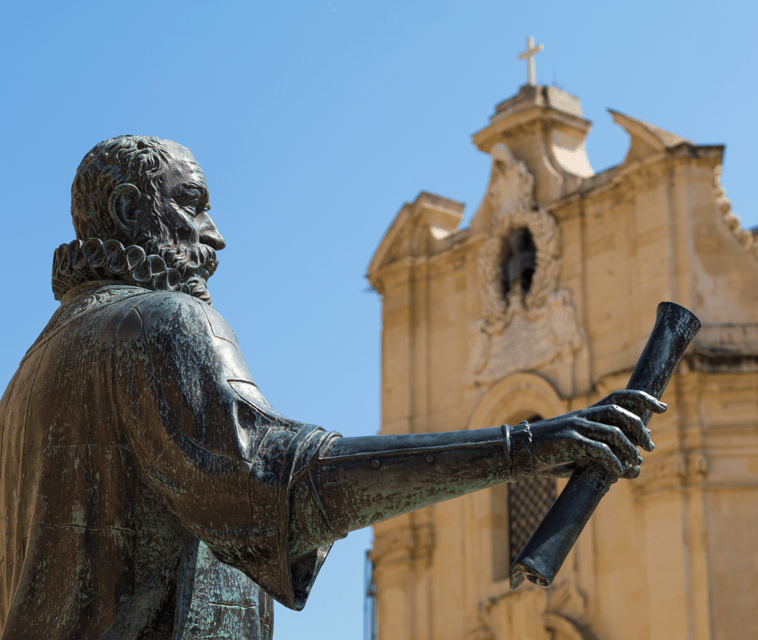
The strongest part of this experience is the guide’s storytelling. Several guides have been praised for making the past lively, friendly, and easy to follow. One guide had an arts and acting background, which fits the promise of theatrical storytelling.
That does not mean a scripted performance at every corner. It means the guide may use character, gossip, anecdotes, and dramatic moments to explain the Knights and Valletta. This approach can make the Great Siege and the Knights’ personal lives stick in your memory.
The guide names that appear in the tour’s recent operation include Rafa, Leila, Leyla, and Lailla. Spelling varies in the supplied information, so your guide may be one of these or another member of the team. The important point is the style: expect a person-led tour, not an audio guide or a dry lecture.
The guide also needs to handle complex religious and colonial history clearly. Malta’s past includes crusading orders, shifting political power, warfare, and modern links to the Knights. If you ask questions, you should have room to do so, particularly because the experience is designed to avoid very large groups.
The pace: explanation before mileage
The tour lasts two hours, but the itinerary includes only a few named stops. That tells you something about the format. You will walk through Valletta, but the emphasis is on guided explanation at selected points rather than covering every street.
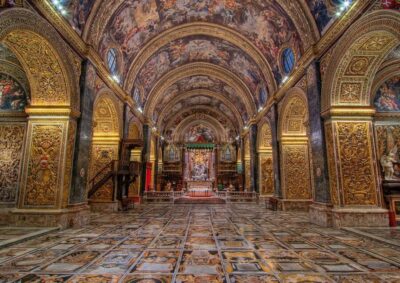
For many people, this is the right balance. Valletta can be confusing on a first visit, and a clear overview helps you understand what you are seeing. You can then return to St. John’s Co-Cathedral, the Grandmaster’s Palace, or another site with better context.
If you prefer a fast walking tour with constant movement, you may find the stops too long. One direct criticism was a preference for more walking, shorter fact stops, and additional stories. That is a fair warning. The tour promises stories and explanation, not a brisk city hike.
Wear comfortable shoes and be ready for a normal urban walking tour. The activity is listed as wheelchair accessible, but no detailed information is provided about route surfaces, slopes, or access at each stop. If those details matter to you, confirm them before booking.
What you see, and what you do not enter
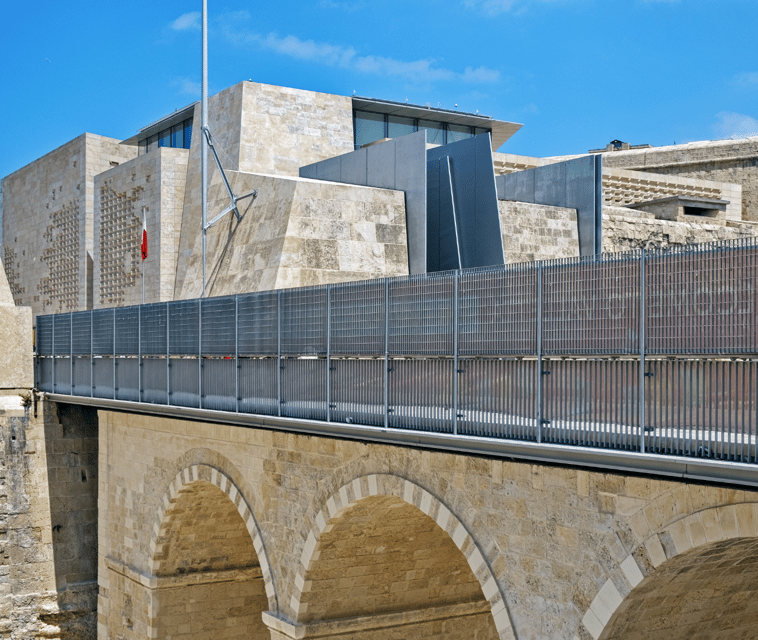
The tour presents Valletta’s best-known places and adds lesser-known anecdotes, but museum entrance tickets are not included. The named route does not promise an interior visit to St. John’s Co-Cathedral or the Grandmaster’s Palace.
That distinction matters. You will hear about major landmarks and see important locations, but you should not assume that the $24 fee covers every building. Plan separate visits if you want to go inside museums or churches.
This arrangement can be good value if you want a city orientation. A guide gives you the background, then you choose where to spend extra time. It is less suitable if your main goal is a detailed interior tour of one monument.
The tour’s best use is as a first layer. Let the guide explain the Knights, the siege, and Valletta’s growth. Then use the remaining part of your day to visit the interiors that interest you most.
Is $24 a fair price?
At $24 per person, the tour sits in a sensible range for a two-hour guided walk. You are paying for a professional guide, not for entry to attractions. The value depends on what you want from Valletta.
I think the price works well if you are new to the city and want a lively orientation. The guide can save you from piecing together the Knights’ story on your own, and the Upper Barrakka stop adds a clear visual reward. The chance to ask questions also adds value over simply following a printed route.
The price is less compelling if you already know Malta’s history or plan to spend two hours inside one museum. In that case, your money may be better directed toward admission and more time at a specific site.
The near-perfect rating, 4.9 from 23 ratings, fits the tour’s main strengths: friendly guides, clear explanations, and a strong focus on Valletta’s past. I would still take the pace criticism seriously. A highly praised guide does not change the fact that this is a story-focused walk.
Who will enjoy this Valletta walk?
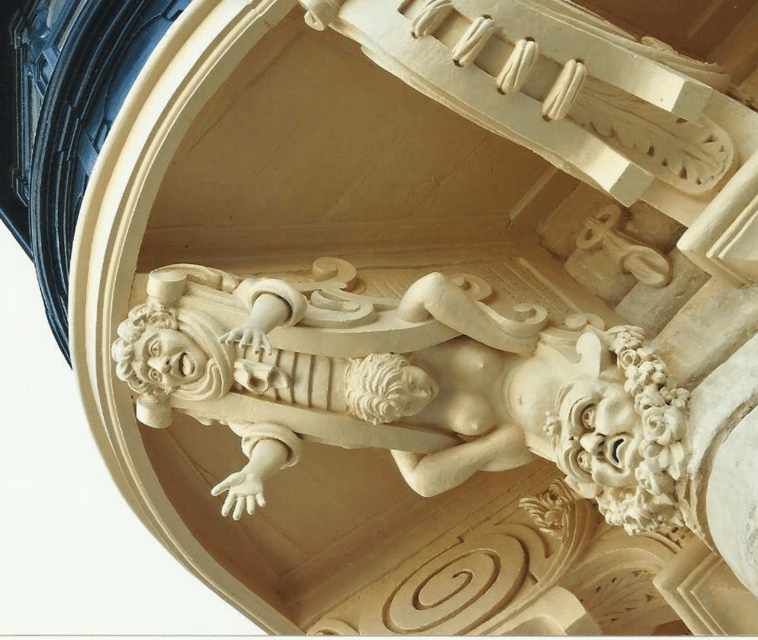
I would recommend it most strongly to first-time visitors, history fans, and anyone who wants the Knights of Malta explained in plain language. It also suits you if you like asking questions instead of silently following a guide.
The theatrical style should work well for families with older children, though no age guidance is provided. People who enjoy architecture may appreciate the buildings, but the tour does not promise a specialist architectural focus.
It is also useful for visitors with limited time in Valletta. Two hours gives you a framework without taking an entire day. You can place the walk at the beginning of your stay and use the guide’s explanations to plan the rest.
You may want another option if you dislike frequent stops or prefer to explore alone. This tour asks you to listen, pause, and let the guide shape the route. That is its strength, but it is not everybody’s preferred travel rhythm.
Practical details before you book
The tour is in English and lasts two hours. It begins at Triton Fountain, with guides holding a House of Tours board, and finishes at Misraħ San Ġwann.
A professional guide is included. Museum entrance fees are not. The listed route includes the Royal Opera House, Auberge de Castille, and Upper Barrakka Gardens, with the gardens receiving the longest stop.
You can cancel up to 24 hours before the start for a full refund. You can also reserve now and pay later, which helps if your Malta plans are still shifting.
The activity is wheelchair accessible according to the supplied details. Because no further route information is provided, ask the operator about specific access needs before booking.
Should you book The Grand Tour of Valletta?
Book it if you want a lively introduction to Valletta, especially the Knights of Malta, the Great Siege, and the city’s wartime story. At $24, it offers a useful amount of history for a modest price, with enough time at Upper Barrakka Gardens for photographs and questions.
Skip it if you want a fast-paced walk, a private guide, or included entry to St. John’s Co-Cathedral and other museums. The best match is someone who enjoys stories, historical context, and a guide who can turn Valletta’s stone buildings into human drama.
FAQ
How much does The Grand Tour of Valletta cost?
The tour costs $24 per person.
How long does the walking tour last?
The tour lasts two hours.
What language is the tour conducted in?
The live tour guide conducts the experience in English.
Where does the tour begin?
The meeting point is Triton Fountain. Look for the guides holding a House of Tours board.
Where does the tour finish?
The tour finishes at Misraħ San Ġwann.
Which places are included on the route?
The route includes the Royal Opera House, Auberge de Castille, and Upper Barrakka Gardens. The gardens include a photo stop and guided explanation.
Are museum entrance tickets included?
No. Museum entrance tickets are not included in the tour price.
Can I cancel or pay later?
You can cancel up to 24 hours in advance for a full refund. You can also reserve your place and pay later.
Just added around Valletta
- Valletta: Private Maltese Cuisine Walking Tour★ 4.8 · 8 reviews
- Valletta: Private Massage from a world renowned masseuse★ 4.6 · 9 reviews
- Valletta: Guided Walking Tour★ 3.8 · 5 reviews
- Valletta : Highlights & Hidden Gems Walking Tour★ 3.1 · 5 reviews
- Valletta Aperol Spritz Aperitivo Experience★ 4.6 · 27 reviews
- Valletta: Express Walk with a Local in 60 minutes★ 4.9 · 4 reviews
- Valletta: Food and Culture Private Tour★ 4.9 · 10 reviews
- Valletta and 3 Cities Private 4-Hour Shore Excursion★ 4.7 · 11 reviews
Walking Tours in Valletta, compared.
Guided Walking Tour with Optional Cathedral Tour
Read our review →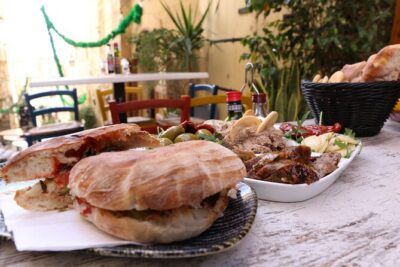
The Valletta Street Food and Culture Walking Tour
Read our review →
Browse the lists this tour appears in