
Reviewed · WALKING TOURS
World War II Malta Full-Day Walking Tour
Malta’s WWII story comes alive underground, where air shelters and command rooms reveal how ordinary people and military leaders faced the Siege of Malta. I especially like the combination of air raid shelters and the Lascaris War Rooms, since one shows civilian survival and the other explains the military decisions behind the fighting.
I also like the route through Valletta, from the RAF Monument and Royal Opera House site to the Siege Bell and Upper Barracca Garden. The main drawback is pace: seven hours covers a lot, so you may leave Fort St Elmo, the tunnels, and several historic sites wishing you had more time.
Key points to know
- The underground shelters give the tour its strongest human focus, showing how civilians coped with bombing and shortages.
- Lascaris War Rooms connect Malta to the wider Mediterranean war, including the planning of the 1943 invasion of Sicily.
- Valletta’s memorials and streets are part of the history, not just stops between museums.
- The tour mixes guided walking with self-guided museum time, so your guide may not accompany you through every indoor section.
- Hotel pickup and drop-off simplify a long day, especially if you are staying outside Valletta.
- Comfortable shoes matter, and the experience is not suitable for people with mobility impairments.
Why Malta mattered so much in World War II
Malta sits in the middle of the Mediterranean, and during World War II that position made the island a military prize. British aircraft and ships based here could attack Axis supply lines running from Europe to North Africa.
The opening of the North African front in 1940 made Malta even more important. Supplies and reinforcements headed toward Italian and German forces had to pass within reach of British forces on the island. General Rommel understood the problem clearly, warning in 1941 that without Malta, the Axis would lose control of North Africa.
Your guide sets up this larger story before leading you through the streets and fortified sites. That context matters because the tour is not simply a collection of old walls and monuments. Each stop helps explain how Malta’s location shaped military plans, civilian life, and the fate of North Africa.
The action lasted from 1940 to 1942, with Italian and German air forces and naval forces attacking Malta while the Royal Air Force and Royal Navy defended it. The island endured heavy bombing, shortages, and loss of life. In 1942, Malta received the George Cross for courage, an honor that remains part of the island’s public identity.
More Walking Tours in Malta:
- The Original Valletta Walking Tour
★ 5.0 · 2,719 reviews - Valletta: 3-Hour Walking Tour
★ 4.7 · 1,605 reviews - Valletta: Guided City Walking Tour
★ 4.8 · 1,256 reviews
Vittoriosa and the story beneath the streets
The day includes a visit to Vittoriosa, one of the historic fortified cities around the Grand Harbour. This is a useful place to begin because Malta’s wartime story is tied closely to its harbors, forts, and naval position.
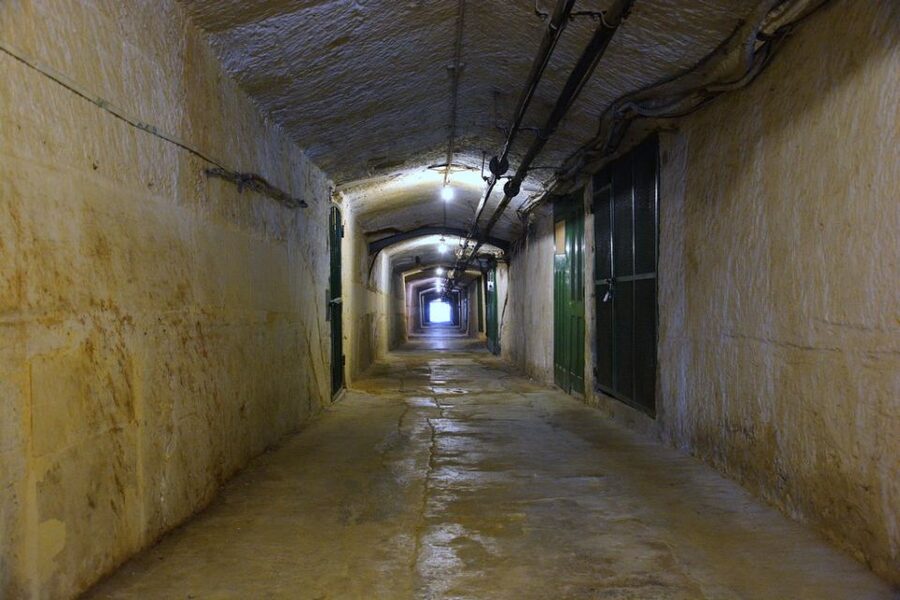
The underground air shelters provide the clearest link to daily life during the siege. You do not just hear that Malta was bombed. You see the kind of spaces people used for protection and begin to understand how war moved below street level.
The shelter visit is one of the most worthwhile parts of the day, but it may feel brief. The underground complex has more to see than the scheduled stop allows, so I would pay close attention and resist rushing through the details.
The tour also includes Fort St Elmo, a major defensive position at the entrance to Valletta’s harbor. Its location helps you understand why Malta’s fortifications mattered. From here, the island’s military story becomes much easier to picture: ships approaching the harbor, aircraft threatening the city, and defenses built to protect a crucial British base.
The fort is another stop where time can feel tight. You receive a useful introduction, but this is not a slow architectural tour with time to inspect every corner. If you are fascinated by military buildings, plan to return independently if your schedule allows.
Entering Valletta through the old Land Front
In Valletta, the route reaches Porta Reale, a curtain wall at the center of the city’s Land Front. This entrance gives you a strong sense of Valletta as a planned fortified city rather than simply a pretty old town.
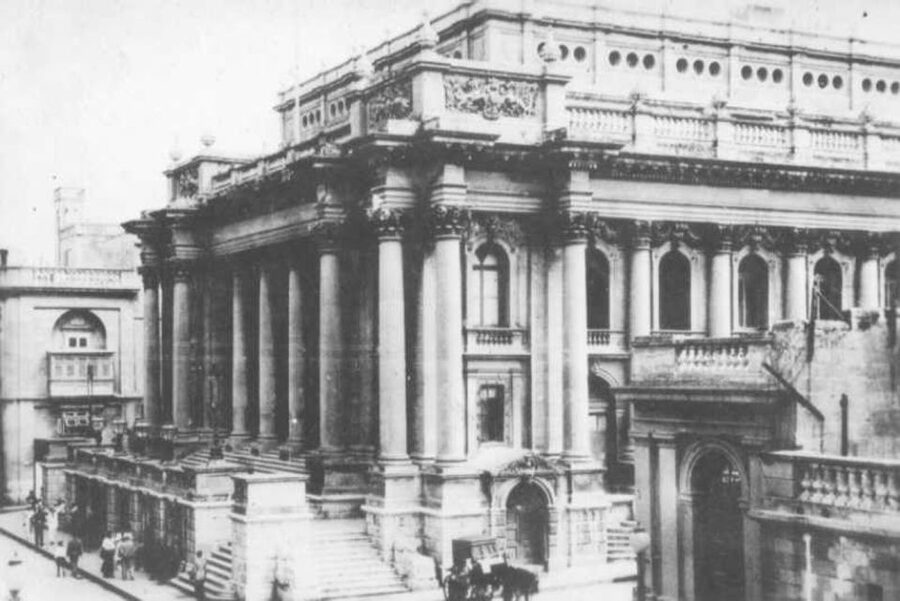
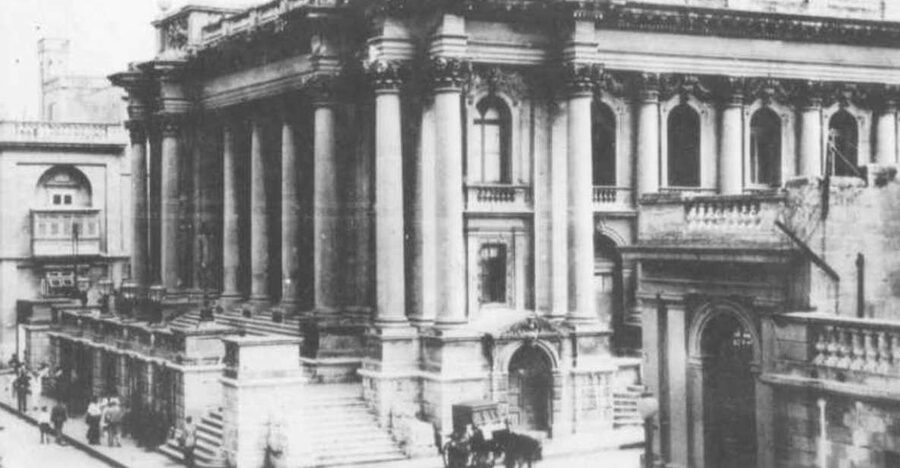
From there, the walk continues to Pjazza Teatru Irjal, the site of the former Royal Opera House. The building was heavily bombed in 1942. Its damaged remains and later use as a public space show how war can alter the center of a city long after the bombing stops.
You then walk along Strada Stretta, a narrow and lively street with a very different mood from the memorials and military sites. This change is useful. Malta’s wartime past is not locked away in museums. It sits beside cafes, shops, and everyday city life.
At St George’s Square, you learn about the George Cross awarded to Malta in 1942. The honor recognized the island’s courage under attack. The square also gives you a chance to pause and place the award in its setting, rather than treating it as a fact to memorize.
The tour continues to the Queen Victoria Statue in Republic Square. Here, the guide discusses Malta’s British period and the community kitchens known as Victory Kitchens. These kitchens helped limit food waste during a time of severe shortage.
That detail adds welcome depth. Military history often focuses on commanders, aircraft, ships, and battles. Victory Kitchens bring the subject back to food, rationing, and the practical choices people made to get through the siege.
Memorials from the RAF to Operation Pedestal
The RAF Monument honors the 2,298 Commonwealth aircrew who died in various World War II air battles. This is a serious stop, and it helps measure the human cost behind the military campaign.
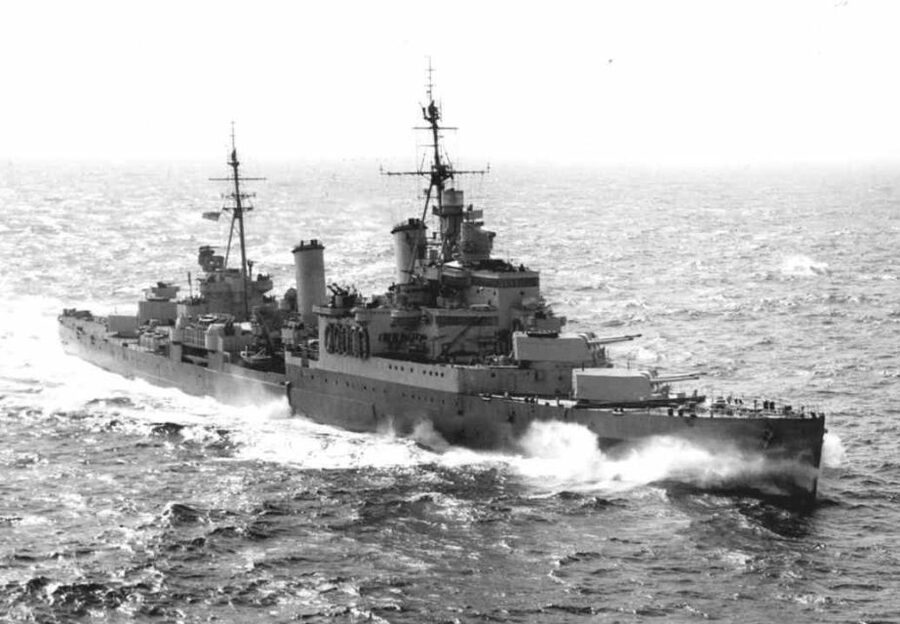
The route then reaches Victoria Gate, built on the site of the old Del Monte Gate. Nearby, the anchor-shaped Santa Marija Memorial honors sailors who died during Operation Pedestal, the 1942 convoy effort to supply Malta.
These memorials work well within the walking route because they connect Malta’s defense to the wider war at sea and in the air. You are not looking only at local casualties. You are seeing the island as one part of a larger struggle over shipping, supply, and control of the Mediterranean.
I appreciate that the tour includes time to pay respects at these places. It keeps the day from becoming a parade of military facts. Still, the schedule covers enough ground that you should expect a guided introduction rather than long periods of quiet reflection at every memorial.
A few more Malta half days worth comparing
- From Malta: Full-Day Gozo UTV Tour with Lunch and Boat Ride
★ 4.6 · 4,408 reviews - Malta: Highlights of Malta & Mdina Full Day Tour with Lunch
★ 4.4 · 2,688 reviews - From Malta: Full-Day Gozo Quad Tour with Lunch and Boat Ride
★ 4.8 · 1,419 reviews - Gozo Full-Day Jeep Tour with Private Boat to Gozo & return
★ 4.5 · 1,048 reviews
Upper Barracca Garden and the Siege Bell
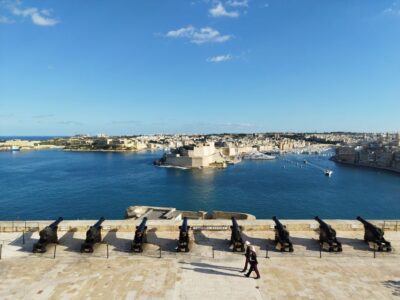
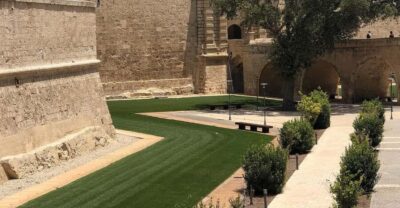
Upper Barracca Garden provides one of the day’s best viewpoints over Valletta’s harbor. The panoramic view helps explain the island’s strategic value better than a map alone. You can see the water routes and fortified shoreline that made the harbor so important.
The garden also includes statues of Winston Churchill and other prominent figures. These monuments place Malta’s wartime story within British political and military leadership.
From here, the route continues to the Siege Bell Memorial, overlooking the Great Harbour. Built in 1992, the bell honors the 7,000 people who died during the Siege of Malta.
This is likely to be one of the more affecting stops. The open view across the harbor contrasts with the enclosed shelter spaces earlier in the day. I find that contrast useful: you move from the cramped reality of protection underground to a broad public memorial above the water.
Lascaris War Rooms and the command behind the fighting
The Lascaris War Rooms show how Malta’s air defense was organized and how major Mediterranean operations were directed. These underground rooms were used by senior Allied leaders, including General Eisenhower, Admiral Cunningham, Field Marshal Montgomery, and Air Marshal Tedder.
The rooms also played a role in planning the 1943 invasion of Sicily. That connection makes the visit especially valuable. Malta was not merely defending itself. Its command centers helped direct Allied operations beyond the island.
The guide can explain the military significance and help you follow the sequence of events. However, the indoor museum portion may not be fully guided. You should be ready for some self-guided exploration, particularly toward the end of the day.
One useful practical point comes from the way the tour is organized: the guide may be easy to hear while walking closely together, but commentary can be harder to follow in open areas or around a vehicle. If you have trouble hearing, stay near the guide and ask for a repeat when needed.
The Malta War Museum and Fort St Elmo
The Malta War Museum adds another layer to the day’s story. You can use the exhibits to review the events already discussed and see material connected with Malta’s military past.
The museum is well worth taking seriously, but the guide may not accompany you through every room. Think of this part as a chance to set your own pace, not as a final lecture led step by step.
Fort St Elmo complements the museum by putting military history into a physical setting. The fort helps you understand the defensive role of Valletta and the harbor entrance. It also gives you a more direct sense of Malta’s fortifications than a museum display can provide.
The tradeoff is time. The itinerary includes several sites, and you may only see selected areas before moving on. If you prefer one major museum or fort explored in detail, this tour may feel too broad. If you want an organized introduction to several key places, the coverage makes good sense.
How the seven-hour day works
Seven hours is a substantial commitment, but the subject needs time. You have transfers, walking, outdoor stops, underground visits, and museum time all packed into one day.
Hotel pickup and drop-off, or collection from the nearest practical point, remove much of the transport planning. That is useful if you are staying outside Valletta or are not comfortable finding each site on your own.
The walking is broken up by visits to indoor sites and viewpoints, but you still need sturdy, comfortable shoes. The tour is not suitable for people with mobility impairments, and underground shelters, fort areas, and historic streets may make the day physically demanding.
Lunch is not included. You should plan for the break carefully because the Valletta portion leaves some free time, but the schedule can feel rushed if you stop for a full meal and try to explore at the same time.
The pickup time is confirmed by the local supplier one day before the tour. Keep your morning flexible until that message arrives.
Is $71 a fair price?
At $71 per person, the value depends on how much structure you want. The price includes hotel pickup and drop-off, a licensed local guide, the air shelter ticket, and the Malta War Museum ticket. The advertised program also includes Fort St Elmo and the Lascaris War Rooms, along with a full route through Valletta.
For a solo visitor or someone who does not want to manage several sites alone, that package can be worthwhile. You get a connected explanation of Malta’s wartime role instead of piecing together separate visits and transport.
The value is weaker if you already feel comfortable navigating Valletta and Vittoriosa on your own. Some stops are short, the museum portion can be self-guided, and you may want more time at the tunnels or fort than the schedule permits.
I would view the tour as an efficient introduction rather than the final word on Malta’s WWII story. It gives you the framework, then points out places you may want to revisit independently.
Who will enjoy this tour most
I would recommend it to you if you want a clear route, a live English-speaking guide, and the reassurance of included pickup. It suits solo visitors and anyone who prefers not to arrange transport between several historic sites.
It is also a good fit if you care about civilian experience as much as military strategy. The shelters, Victory Kitchens, memorials, and Siege Bell keep the story grounded in human loss and daily survival.
You may be less satisfied if you want long, quiet visits at every stop or a specialist-level WWII lecture from morning to afternoon. The tour sometimes gives more general Malta history than strictly wartime detail, and the schedule cannot fully explore every tunnel, fort, and museum room.
The tour has an overall rating of 4.3 from 18 ratings, with especially strong praise for the guides’ explanations and the air shelter visit. One guide was described as a former mayor and a real character, which suggests the personality of the individual guide can add a great deal to the day. Since guides vary, I would judge the experience mainly by its structure and sites rather than expect one particular personality.
Should you book the World War II Malta Full-Day Walking Tour?
Book it if you want Malta’s WWII story explained in a sensible sequence, with transport, a local guide, underground shelters, forts, memorials, and harbor views handled in one day.
Skip it if you prefer to set your own pace, spend hours inside one museum, or already know Valletta well. You could save money by visiting the sites independently, but you would give up the easy connections between Malta’s civilian story, British military past, and Mediterranean strategy.
For most first-time visitors with a serious interest in the siege, I think the tour is a useful starting point. Bring comfortable shoes, keep lunch simple, stay close enough to hear the guide, and leave room in your Malta plans to revisit the places that deserve more time.
FAQ
How long does the World War II Malta Full-Day Walking Tour last?
The tour lasts seven hours.
What language is the tour conducted in?
The live tour guide speaks English.
Does the tour include hotel pickup?
Yes. Pickup and drop-off are included from your hotel or the nearest pickup point.
What entrance tickets are included?
The included tickets are for the air raid shelters and the Malta War Museum. The tour information also includes visits to Fort St Elmo and the Lascaris War Rooms.
Is lunch included?
No. Lunch is not included.
What should I wear or bring?
Bring comfortable shoes because the day includes walking through historic streets, forts, gardens, and underground sites.
Is the tour suitable for people with mobility impairments?
No. The tour is listed as unsuitable for people with mobility impairments.
When will I learn my pickup time?
The local supplier confirms your pickup time one day before the tour.
Can I cancel for a full refund?
Yes. You can cancel up to 24 hours in advance for a full refund. You can also reserve now and pay later.
Just added around Malta
- Gozo: Wine Tasting and Paired Dinner Experience★ 4.9 · 43 reviews
- Victoria, Gozo: Sunset Walking Food and Drink Tour★ 5.0 · 6 reviews
- Malta: 5 hr Vintage Bus Tour – Mdina & Blue Grotto inc. food★ 5.0 · 22 reviews
- Wakeboarding Adventure in Malta: Learn to Ride★ 5.0 · 4 reviews
- Valletta & Mdina: Private Tour★ 4.5 · 16 reviews
- Valletta: Private Maltese Cuisine Walking Tour★ 4.8 · 8 reviews
- Valletta: Private Massage from a world renowned masseuse★ 4.6 · 9 reviews
- Valletta: Guided Walking Tour★ 3.8 · 5 reviews
Walking Tours, compared.

Guided Walking Tour with Optional Cathedral Tour
Read our review →
The Valletta Street Food and Culture Walking Tour
Read our review →Browse the lists this tour appears in