

Reviewed · HISTORICAL TOURS
The Limestone Heritage Park and Gardens (Entry Ticket)
Malta was shaped from limestone, and this family-run park in Siggiewi shows you exactly what that means. In one visit, you move from geology and ancient burial chambers to traditional stonework, citrus trees, and farm animals. The setting is more hands-on than a standard museum.
I like the 17-language audio guide, which lets you set your own pace, and the live stonework demonstration, where Malta’s building material becomes something made by hand. The €11 entry price is fair if you use the full visit, though the park is smaller than some people may expect, and the short Saturday hours require planning.
- See a Punic tomb dating from about 400 B.C. as part of the entry ticket.
- Follow the story in 17 languages with both an audio-visual presentation and an audio-guided walkthrough.
- Watch live stonework and, for an extra €5, make your own limestone piece according to the available visitor information.
- Pair culture with a citrus garden and animal farm, a useful mix for families.
- Visit at your own pace for one day, with no fixed entry hour during the opening period.
- Stop for Maltese food and coffee, though refreshments cost extra.
A practical introduction to Malta’s limestone country
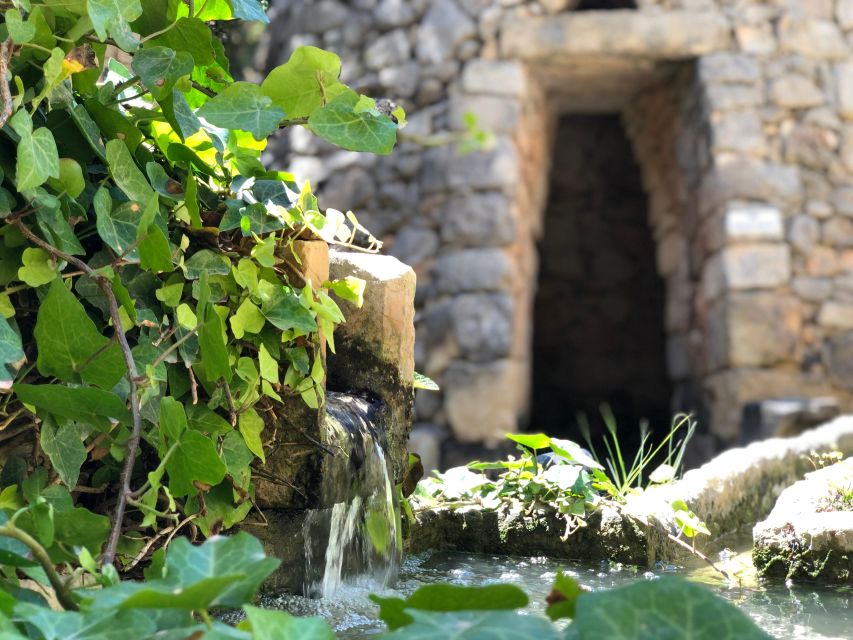
The Limestone Heritage Park and Gardens is in the traditional village of Siggiewi, in the southern part of Malta. The attraction connects the island’s geology with the way people have built, worked, worshipped, and lived here for thousands of years.
That connection gives the visit its purpose. You are not simply looking at blocks of pale stone. You are seeing why limestone matters in Malta, how it shaped local buildings, and how stonework became a skilled trade. The park also adds gardens and animals, so the experience does not feel like a formal museum visit from start to finish.
You should allow enough time to use the audio-visual presentation, complete the audio-guided walk, visit the indoor displays, and spend time outside. The ticket is valid for one entry on the booked day, and you may arrive at any time during opening hours.
Start with the audio-visual presentation
Your visit begins with a multilingual audio-visual presentation about Malta’s development over roughly 7,000 years. It provides the broad outline before you walk through the park, which is useful because the later displays make more sense once you understand the island’s dependence on limestone.
The presentation is available in Maltese, English, French, German, Italian, Dutch, Russian, Spanish, Greek, Portuguese, Swedish, Danish, Finnish, Norwegian, Polish, Chinese, and Japanese. That is a strong feature if you are visiting with family members who prefer different languages.
I would treat this part as your orientation rather than the main event. It gives you the setting and basic context, while the rest of the attraction lets you see the material evidence. If you prefer a quick visit, you could be tempted to move through it fast, but doing so makes the outdoor sections less meaningful.
More History Tours in Southern Malta:
- Malta: Prehistoric Temples, Limestone Heritage & Blue Grotto
★ 4.2 · 412 reviews - Hagar Qim temple (UNESCO) and Limestone Heritage guided tour
★ 3.5 · 11 reviews - Hagar Qim temple (UNESCO), Limestone Heritage & Marsaxlokk Market guided tour
★ 4.0 · 10 reviews
Follow the audio-guided walk at your own speed
The audio-guided walkthrough is one of the attraction’s most practical features. You are not tied to a guide’s pace or to a single language group. You can pause, listen again, and spend longer at the sections that interest you most.
The same 17 languages are offered for the audio guide. English-speaking visitors can use the English option, while multilingual families have more flexibility than they would on a standard guided tour.
The walk is designed to connect the different parts of the park. You will encounter the geology section, museum hall, historic stone features, garden areas, and the farm animal park. The audio format also suits people who like a quiet visit, since you can take in the information without needing to stay close to a live guide.
One limitation is that no personal guide is included. An English-speaking host or greeter is available, but the main explanation comes through the recordings. If you enjoy asking spontaneous questions, this may feel less personal than a small guided tour.
Understand the geology behind Malta’s buildings

The geology section helps explain why limestone is everywhere in Malta. It gives you a closer look at the natural material behind much of the island’s traditional construction and stone craft.
This is an important part of the visit because limestone can seem like a background detail when you are walking around Malta. Here, it becomes the central subject. You can connect the displays with the pale stone used across the islands, from old structures to decorative work.
The section is likely to appeal most to visitors who want more than a quick photo stop. It gives families a clear way to discuss how natural resources affect architecture, work, and daily life. The attraction does not present the subject as a specialist geology course, so you do not need technical knowledge to follow it.
Walk through the museum hall and meet the past
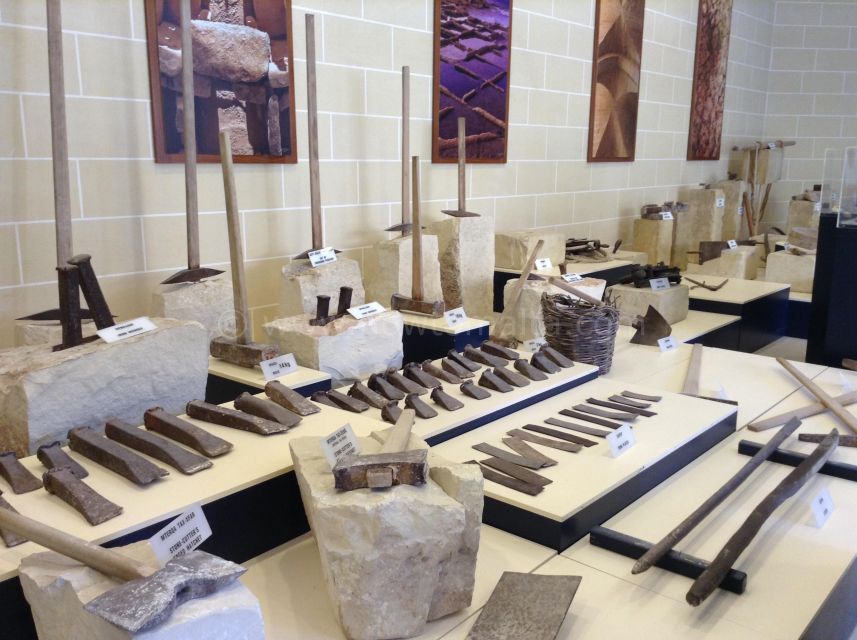
The museum hall adds human detail to the geological story. Instead of looking only at the stone itself, you see how Maltese people used local materials and developed traditions around them.
Together, the museum and audio tour help you place Malta’s past in a local setting. This is not a large national museum, and you should not expect a full survey of every period in Maltese history. Its focus is narrower, but that focus is also what makes the visit easy to follow.
The smaller scale can work well during a busy Malta holiday. You can cover the main areas without giving up an entire day to a major museum. Still, one visitor found the park smaller than expected, so set your expectations accordingly. The ticket gives you access for the day, but the attraction is better suited to a relaxed half-day stop than to an all-day destination for most people.
A few more Southern Malta half days worth comparing
- Blue Grotto & Sunday Market at Marsaxlokk Fishing Village
★ 3.6 · 803 reviews - Malta: Marsaxlokk, Blue Grotto, and Qrendi Guided Tour
★ 4.1 · 547 reviews - Valletta: Sunday Vintage Bus to Marsaxlokk
★ 4.1 · 117 reviews - Blue Grotto and Sunday Market at Marsaxlokk Fishing Village Tour
★ 3.0 · 65 reviews
Enter the Punic tomb from about 400 B.C.
The Punic tomb is one of the most distinctive parts of the park. Dating to about 400 B.C., it gives you direct contact with an ancient burial site rather than only a display about the past.
Its presence adds weight to the visit. You are not just learning about stone as a building material. You are also seeing how earlier communities used underground spaces and worked with the local ground.
The tomb is included in the admission price. Because it is an archaeological feature, take care to follow any instructions at the site and give yourself time to look rather than treating it as a quick corridor on the way to the next stop.
Watch stonework happen in front of you
The live stonework demonstration is the park’s most active cultural feature. You can see the basic process of shaping limestone, which makes the craft easier to understand than a finished object in a display case.
This is especially useful for families. Children can watch a raw piece of stone change through manual skill, while adults can connect the demonstration with Malta’s traditional buildings and decorative work.
According to the available visitor information, you can also create your own limestone piece for an additional €5. That option is worth considering if you want a small activity rather than another souvenir from a shop. You can take your time making it, with the aim of getting it just right.
The demonstration may be less satisfying if you are expecting a long workshop with detailed personal instruction. The included experience is a demonstration, while the optional €5 activity is the hands-on add-on. Ask at the venue about the current schedule and availability when you arrive.
Take a quieter turn through the citrus garden
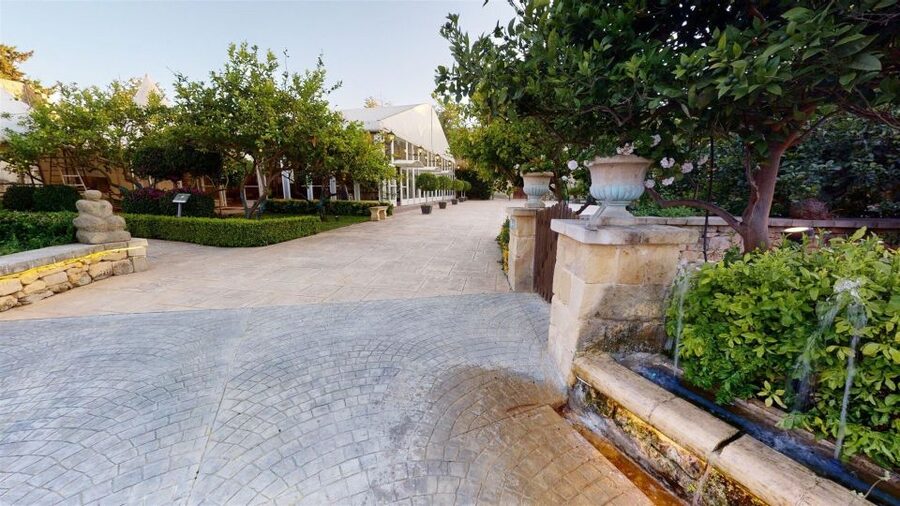
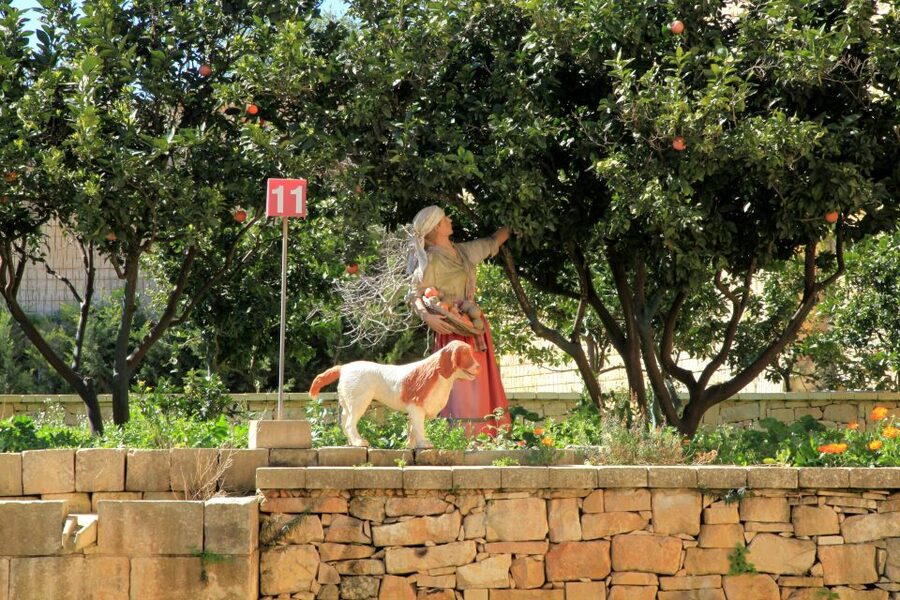
The citrus garden changes the pace. After the indoor information and stonework, you can walk among the planted areas and enjoy a calmer setting.
This is not a separate botanical attraction, so do not arrive expecting a major garden estate. Its value is as a pleasant outdoor pause within the park. It also helps show how natural surroundings and human work meet in a rural Maltese setting.
If you are visiting with children, the garden gives them room to shift attention before the next stop. If you are touring Malta on a tight schedule, you can keep this section short and still see the main historic displays.
Visit the farm animal park

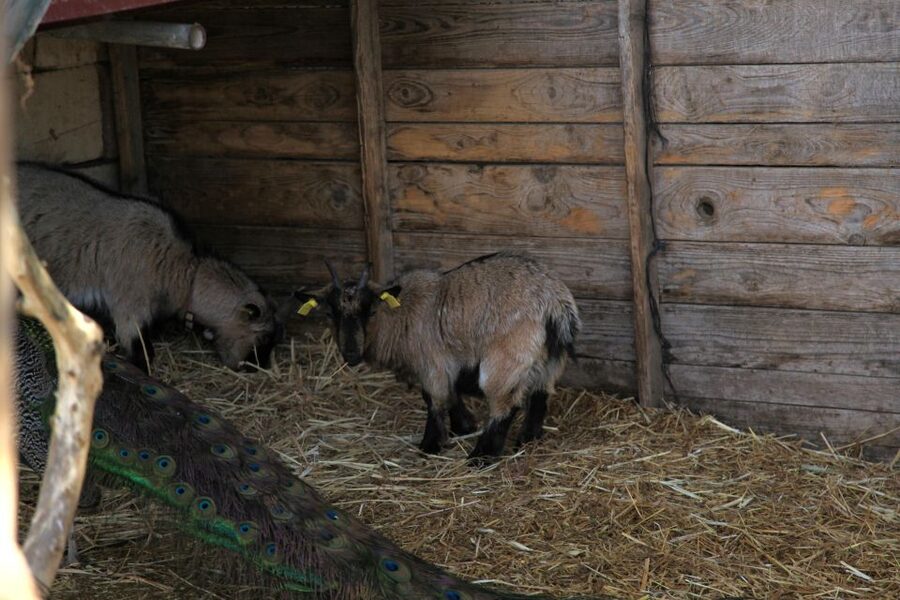
The farm animal area adds an informal, family-friendly side to the experience. You can meet the animals after the more structured parts of the visit, giving younger children something immediate and lively to enjoy.
This section may be the deciding factor for families comparing the park with a purely historical attraction. It also keeps the visit from feeling too heavily focused on dates and displays.
The animal park is not presented as a major zoo, and you should see it as one part of a broader attraction. Its role is to add variety and make the day work for different ages. Adults interested mainly in archaeology may spend only a short time here, while families may linger longer.
Try Maltese food before you leave
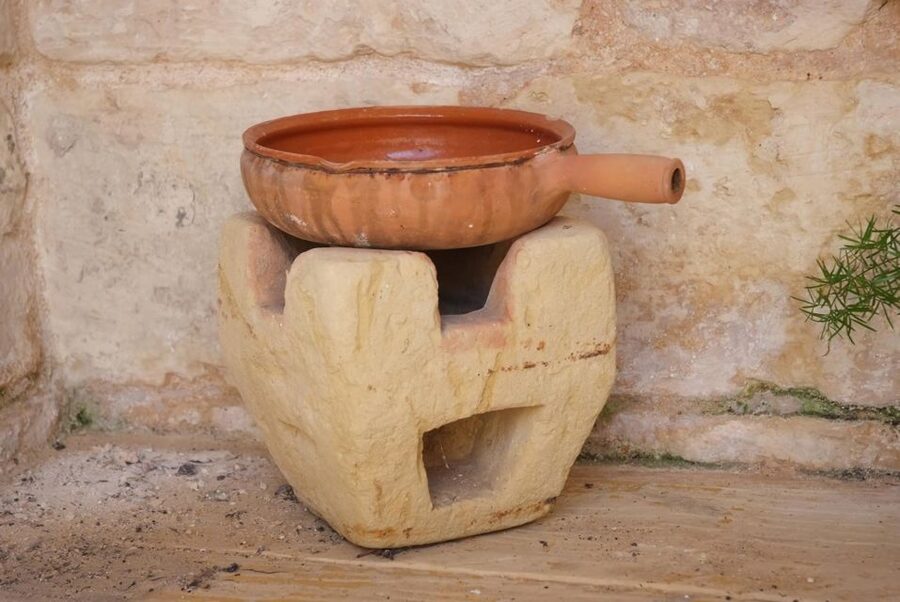
Food and drinks are not included, but the venue serves snacks and refreshments. You can stop for tea or coffee, try a Maltese platter, or order Maltese tuna ftira.
That gives you a chance to add a local food break without leaving the grounds. It is a useful option if you are combining the park with other stops and do not want to search for a café immediately afterward.
Budget separately for this part. The entry price covers the attraction, not the meal. The shop also sells Maltese goods and stone souvenirs, with no obligation to buy. I would browse first and decide later, especially if you are already collecting gifts elsewhere in Malta.
Is the $11 ticket good value?
At $11 per person, the ticket is reasonably priced for a mixed attraction that includes the audio-visual show, audio-guided walk, museum hall, geology section, Punic tomb, citrus garden, farm animal park, and stonework demonstration.
The value depends on how you visit. If you rush in, glance at the displays, and leave after 30 minutes, the price will feel less attractive. If you listen to the presentation, follow the full walk, watch the demonstration, and use the outdoor areas, the admission makes more sense.
The optional €5 limestone-making activity can add value for children and anyone who likes a practical souvenir. Food and drinks cost extra, so the final spend will be higher if you eat on site.
The 4.7 rating from 27 published ratings points to strong overall satisfaction, but the small number of ratings means you should treat it as a helpful signal rather than a guarantee. The most useful expectation to carry with you is simple: this is a focused, modest-sized attraction with several different parts, not a massive open-air museum.
Plan the timing carefully in Siggiewi
The park is open Monday through Friday from 9:00 a.m. to 4:00 p.m. On Saturday, it closes earlier, at 12:00 p.m. It is closed on Sundays and Maltese public holidays.
Last entry is 30 minutes before closing. You can arrive at any hour during the opening period on your booked day, but the ticket allows one entry only, with no re-entry.
Check the hours before setting out because they can change. This matters especially if you are visiting on a Saturday, planning to combine the park with another southern Malta stop, or travelling during a public holiday.
The attraction is wheelchair accessible. Hotel pickup and drop-off are not included, so you need to arrange your own transport to Siggiewi. The listed host or greeter language is English, while the audio content is available in the 17 languages noted above.
Who will enjoy this park most?
I would recommend it most strongly to families, first-time Malta visitors, and anyone curious about how local limestone shaped the islands. The mix of archaeology, geology, craft, gardens, and animals gives you several ways into the subject.
It also suits couples and independent visitors who prefer to set their own pace. The audio format means you can linger at the Punic tomb or museum hall without holding up a group.
You may want to skip it if you only want large archaeological sites, formal guided commentary, or a full-day attraction packed with major monuments. The park is smaller than some people expect, and its strength is variety rather than scale.
Should you book the Limestone Heritage Park?
Book it if you want a reasonably priced, flexible stop that connects Malta’s limestone geology with its culture and daily traditions. The Punic tomb, live stonework, and 17-language audio content give the visit more substance than a simple garden attraction.
Plan for a few hours, not necessarily a full day. Arrive early enough to use the presentation and walking tour, then leave time for the animals, citrus garden, stonework activity, or a Maltese snack. Families should consider the optional €5 limestone piece, while history-focused adults should give priority to the museum, geology section, and ancient tomb.
FAQ
Where is the Limestone Heritage Park and Gardens?
It is located in Siggiewi, a traditional Maltese village in Malta.
How much does entry cost?
The listed price is $11 per person.
How long is the ticket valid?
The entry ticket is valid for one day, on the booked date.
Can I enter at any time during the day?
Yes. You can use the ticket at any hour during the venue’s opening hours on the booked day.
Is re-entry allowed?
No. The ticket is valid for one entry only.
What languages are available for the audio content?
The audio-visual presentation and audio-guided walkthrough are available in Maltese, English, French, German, Italian, Dutch, Russian, Spanish, Greek, Portuguese, Swedish, Danish, Finnish, Norwegian, Polish, Chinese, and Japanese.
Is food included with admission?
No. Food and drinks are not included, though the venue serves tea, coffee, Maltese platters, Maltese tuna ftira, and other snacks for an additional cost.
Is the park open on Sundays?
No. The venue is closed on Sundays and public holidays.
Is the attraction wheelchair accessible?
Yes. The Limestone Heritage Park and Gardens is wheelchair accessible.
Just added around Southern Malta
- Marsaxlokk Market and Blue Grotto guided tour★ 4.0 · 25 reviews
- Hagar Qim temple (UNESCO), Limestone Heritage & Marsaxlokk Market guided tour★ 4.0 · 10 reviews
- Half Day Tour in Marsaxlokk Village, Market, Blue Grotto & Qrendi★ 4.5 · 3 reviews
- Full Day to Blue Grotto, Marsaxlokk, Kalanka Bay, Tarxien Temples★ 3.5 · 7 reviews
- Temples, Blue Grotto, Marsaxlokk★ 4.5 · 3 reviews
- Exploring Marsaxlokk, Blue Grotto and Malta best sights!★ 5.0 · 4 reviews
- Malta: Blue Grotto SUP and Snorkeling Tour★ 4.9 · 8 reviews
- Southern Malta Tour – Blue Grotto, Hagar Qim & Marsaxlokk★ 5.0 · 9 reviews
Historical Tours, compared.
Prehistoric Temples, Limestone Heritage & Blue Grotto
Read our review →
Maltese Islands History Audio-Visual Show and La Sacra Infermeria Tour
Read our review →
Self-Guided Historical Walking Tour (Audio Guide)
Read our review →
Wonderful Valletta, gastronomy, art, and history in the Mediterranean
Read our review →


Browse the lists this tour appears in