
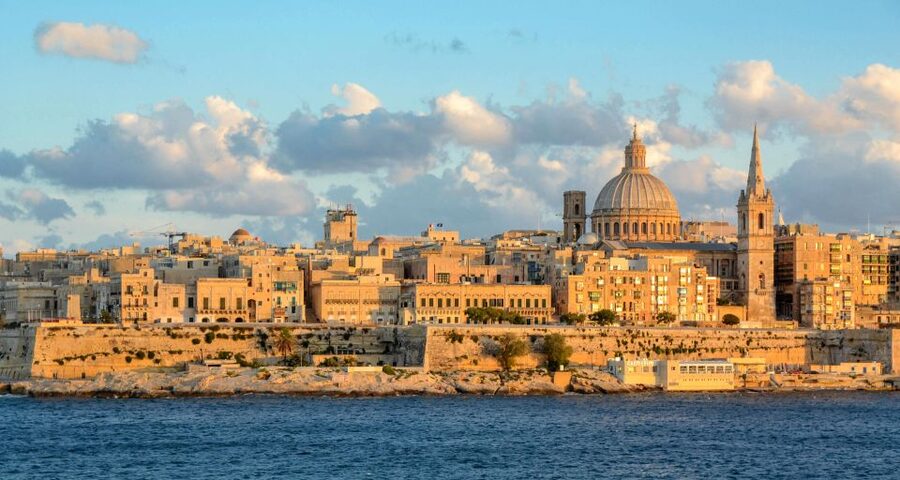
Reviewed · HISTORY TOURS IN VALLETTA
The Taste and History of Valletta
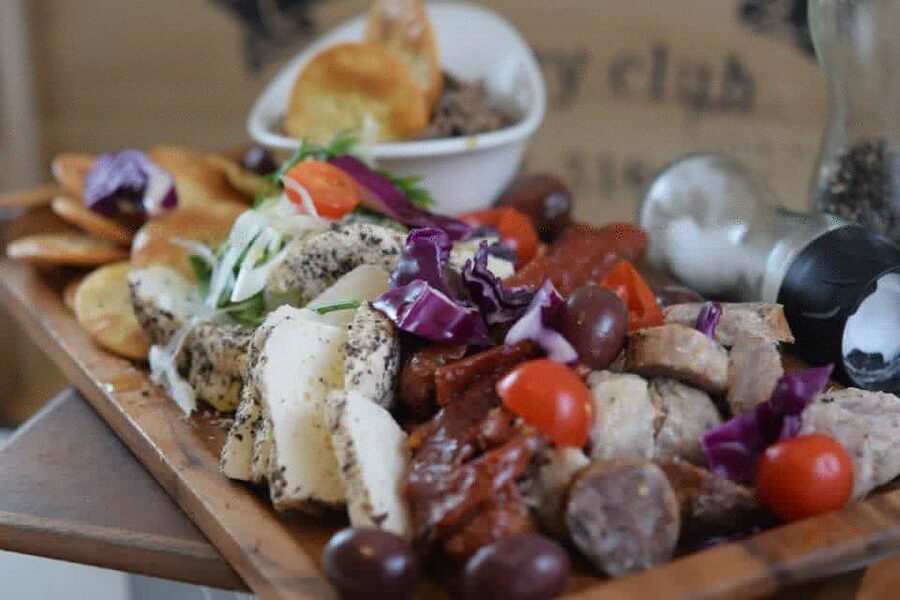
Valletta is best understood one bite at a time, and this tour makes a meal of the city’s story. Over three and a half hours, you’ll walk from St John’s Co-Cathedral through the streets of Malta’s capital, stopping for coffee and pastries, pastizzi, ftira, traditional dishes, Maltese wine, and chocolate. The food is not an afterthought. It gives you a practical way to understand local life.
I like the small-group format, which should make it easier to ask questions and keep the pace personal. I also like the way the stops are spaced out, so you are not asked to eat everything in one sitting. The main consideration is the $118 price: it is a serious spend, and the value depends on how much you enjoy guided history, generous tastings, and the ease of having the food arranged for you.
Key details before you book
- Start outside St John’s Co-Cathedral: Meet your English-speaking guide in Misrah San Gwann, right in front of the cathedral.
- Taste more than one side of Malta: Expect coffee, pastries, pastizzi, ftira, a local soft drink or award-winning beer, traditional dishes, Maltese wine, and chocolates.
- History comes between courses: The walk covers Valletta’s fortress-city role, architecture, historic buildings, and status as a UNESCO World Heritage site.
- The eating is paced over 3.5 hours: Portions are described as generous, with breaks that give you time to walk and digest.
- Guides may include Andrew or Caroline: Andrew is noted for adding history to the food stops, while Caroline is described as an engaging host.
- End near Pjazza Jean de Valette: You finish in the city center rather than returning to the cathedral.
Why food is a smart way to see Valletta
Valletta can feel like a series of grand stone buildings if you only look up. Food gives the streets a human scale. A coffee shop with more than 180 years of stories, a simple snack bar, and a restaurant inside an 1874 building each show a different part of Maltese life.
That mix is what makes this more than a restaurant crawl. You are not simply eating local specialties and moving on. Your guide connects each stop to Valletta’s past, explains how food traditions changed over time, and points out why the city matters as a fortified capital and UNESCO World Heritage site.
I find this approach useful on a first day in Valletta. The walking helps you get oriented, while the tastings give you a list of foods to seek out later. It also takes away some of the guesswork. You do not have to choose a pastry from a glass case without knowing what it is, or wonder if a dish is truly Maltese.
The tour is conducted in English. The group size is kept small, which matters in narrow streets and at compact food stops. It should also give you more opportunity to ask about ingredients, customs, and the stories behind the buildings.
More History Tours in Valletta
- Valletta: Self-Guided Historical Walking Tour (Audio Guide)
★ 3.7 · 251 reviews - Wonderful Valletta, gastronomy, art, and history in the Mediterranean
★ 4.5 · 72 reviews - The Dark History of Valletta – Walking Tour
★ 5.0 · 50 reviews
Starting at St John’s Co-Cathedral
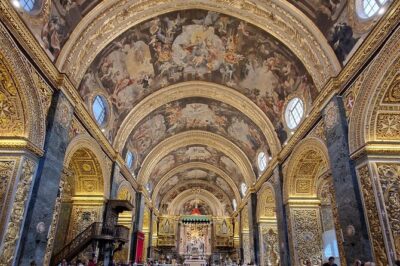
The meeting point is in front of St John’s Co-Cathedral at Misrah San Gwann, also called St John’s Square. This is a convenient place to begin because it puts you in the middle of Valletta’s historic core from the first minute.
Your guide will meet you there and lead you on foot. There is no transport between stops, so comfortable shoes are important. Valletta is compact, but a three-and-a-half-hour walking tour still calls for footwear that can handle stone streets and a steady amount of walking.
The cathedral also sets the tone for the tour. From this starting point, the city’s military and religious past is close at hand, and your guide begins placing Valletta’s streets and buildings in context. The history is not presented as a separate lecture. It comes in between the food stops, which helps keep the pace lively.
If you are meeting Andrew, you can expect a guide who adds historical detail to the route. Caroline is also named as one of the hosts and is noted for explaining historical facts in an engaging way. Guides can vary, so the style may be more talkative with one person than another.
Coffee and pastries in a 180-year-old Valletta institution
The first food stop is a Maltese landmark with more than 180 years of stories. Here, you sample traditional coffee and different pastries while learning about the café’s long place in local life.
This is a strong opening because coffee and pastry are easy entry points into Maltese food culture. You can settle into the tour without being presented with a large plate of unfamiliar dishes. At the same time, the age of the café gives your guide a natural way to discuss continuity in Valletta, including how a business can remain part of daily life through changing times.
The pastry tasting may include pastizzi, one of the foods specifically enjoyed on the tour. Pastizzi are a familiar Maltese street food, and trying them with an explanation is more useful than simply buying one at random. You can pay attention to the texture, filling, and place of the snack in everyday eating.
This is also a good point to ask questions. If you want to know which foods are common at breakfast, what locals order with coffee, or which items are more associated with snack time, this is the moment. The guide’s explanation turns a quick café stop into a small lesson in local habits.
A snack bar, ftira, and Malta in a glass
The next stop moves from the old café setting to a local snackbar. Here you taste a Maltese ftira with either a local soft drink or Malta’s award-winning beer.
The ftira is one of the more useful tastings on the route because it shows how ordinary Maltese food can be both simple and satisfying. One description of the tour specifically highlights an excellent tuna sandwich, along with street-food samples. You should expect the food to lean toward accessible local eating rather than formal restaurant presentation.
The drink choice gives you some flexibility. You can try the local soft drink if you want a nonalcoholic taste of Malta, or choose the beer if that suits you. The tour does not require you to make the same choice as everyone else, although the available option may depend on the stop and the guide’s arrangements.
I like this part because it keeps the tour grounded. Grand churches and fortifications tell you how Valletta was built, but a ftira tells you what people eat when they want something quick. The snack bar stop also breaks up the walking before the larger traditional meal later on.
Same islands, a completely different kind of day:
- The Original Valletta Walking Tour
★ 5.0 · 2,719 reviews - Valletta: 3-Hour Walking Tour
★ 4.7 · 1,605 reviews - Valletta: Guided City Walking Tour
★ 4.8 · 1,256 reviews - Valletta: Street Food and Culture Walking Tour
★ 4.8 · 1,251 reviews
Traditional dishes inside an 1874 building
The most substantial food stop takes place in an enchanting building dating from 1874, now home to a restaurant specializing in traditional Maltese cuisine. Here, you taste a selection of local dishes paired with Maltese wine.
The setting matters. Eating in an old building lets you connect the architecture to the food, rather than treating the restaurant as a generic dining room. Your guide can explain the building’s place in Valletta while you work through several dishes that reflect Malta’s culinary traditions.
Expect this to be the point where the tour feels most like lunch, not just sampling. The portions have been described as generous, and the stops are spaced so you have time to digest. That is useful information for planning your day. You should not schedule a large meal immediately afterward unless you are prepared for a very full afternoon.
The wine pairing adds another layer. Maltese wine is not just a drink placed beside the food, but part of the country’s food culture. If you do not drink alcohol, the supplied information does not specify a substitute at this stop, so you may want to confirm your options when booking.
The food is likely to be the strongest reason to choose this tour over a standard sightseeing walk. You are introduced to several dishes without having to order a full meal in an unfamiliar restaurant. You also get an explanation of what you are eating, which makes it easier to remember and order again.
Chocolate to finish in Pjazza Jean de Valette
The final tasting takes place at a chocolate shop making chocolates in Malta. It is a pleasant way to finish because the flavors shift from savory foods and wine to something sweet and portable.
A chocolate stop might sound less traditionally Maltese than pastizzi or ftira, but it shows the modern side of the city’s food scene. The tour is not limited to old recipes. It also looks at how local producers present Maltese food today.
You finish near Pjazza Jean de Valette. That central ending is handy if you want to continue exploring Valletta on foot, find a café, or return to your accommodation. There is no stated return to the starting point, so plan to make your own way onward from the square.
The final stop also gives you a chance to review what you have learned. By then, you have tasted café food, street food, a proper traditional meal, wine, and chocolate. That range is one of the tour’s main strengths.
What the $118 price really covers
At $118 per person, this is not a bargain snack walk. You are paying for several tastings, a guided historical walk, a small group, and the convenience of having the stops chosen and explained for you.
The price makes more sense if you regard the experience as a light meal combined with a city tour. The tastings are spread across three and a half hours, and the food is reported to be generous. If you paid separately for a coffee, pastries, a ftira or sandwich, drinks, a traditional meal, wine, and chocolate, the total would add up quickly.
Still, value depends on your priorities. If you already have restaurant plans and prefer to explore at your own pace, $118 may feel high. You might also find that the social and historical side of a small group matters more to you than the exact quantity of food.
I would choose this for a first visit, especially if you want an introduction to Maltese dishes without spending time researching restaurants. I would skip it if you are mainly interested in major sights, have dietary needs that have not been confirmed, or dislike structured eating schedules.
Free cancellation is available up to 24 hours before the tour for a full refund, and you can reserve now and pay later. Those policies make it easier to fit the tour into a changing Malta itinerary.
The guide makes the difference
A food tour succeeds or fails partly on the guide’s ability to connect places, dishes, and stories. Andrew is specifically praised for combining the food with historical information about the area. Caroline is described as a warm host who made the historical facts engaging.
The guide style may not be equally chatty at every stop. One account found the historical information strong but felt the guide was quieter while people were seated and eating. That is not a serious problem if you enjoy uninterrupted meals, but it is worth knowing if you want constant conversation.
The tour’s subject matter gives the guide plenty to work with. Valletta’s role as a fortress city, its architecture, its historic buildings, and its UNESCO status all form part of the route. The strongest moments should come when those ideas are tied to the snack in front of you or the building where you are eating.
I would come with a few questions ready. Ask which dish is most common at home, which foods are especially associated with Valletta, and what you should order later on your own. Small-group tours reward curiosity.
Who will enjoy this food walk most
This tour suits you if you want a gentle introduction to Maltese cuisine and prefer local context with your meal. It is also a good fit for couples, solo visitors, and small groups who want an organized route without spending an entire day on sightseeing.
It works especially well early in a Valletta stay. You will learn which foods you like, get a sense of the city center, and finish with several ideas for later meals. The historical explanations also help you read the city more clearly on subsequent walks.
You should come hungry, but not so hungry that you expect one large meal at the beginning. The food comes in stages. Wear comfortable footwear, dress for changing weather, and bring layers or weather protection as needed.
The experience may be less suitable if you want a quiet, private meal, a fast itinerary, or a tour devoted only to monuments. It is also wise to ask about food restrictions before booking if you need specific accommodations, since the available information does not give a detailed dietary policy.
Should you book The Taste and History of Valletta?
Book it if you want a meal-sized introduction to Malta tied to Valletta’s streets, buildings, and past. The strongest reasons are the range of tastings, the generous pacing, the small-group setting, and the chance to try foods you might overlook on your own.
At $118, I would treat this as a combined food experience and walking tour, not a cheap way to grab lunch. If that sounds worthwhile, it should be a satisfying use of half a day. If you mainly want to see sights or eat one carefully chosen meal, spend the money elsewhere.
FAQ
Where does The Taste and History of Valletta begin?
The tour begins at Misrah San Gwann, or St John’s Square. Your guide waits in front of St John’s Co-Cathedral.
Where does the tour finish?
The tour ends at Pjazza Jean de Valette in Valletta.
How long does the experience last?
The walking food tour lasts 3.5 hours.
What language is the tour conducted in?
The live tour guide speaks English.
What food and drinks are included?
The tastings include traditional coffee, pastries, pastizzi, a Maltese ftira, a local soft drink or award-winning beer, traditional Maltese dishes, Maltese wine, and chocolates made in Malta.
Is the tour suitable for someone interested in history?
Yes. The guide discusses Valletta’s role as a fortress city, its architecture, historic landmarks, UNESCO World Heritage status, and the development of its food traditions.
How much does the tour cost?
The listed price is $118 per person.
Can I cancel the booking?
You can cancel up to 24 hours in advance for a full refund. You can also reserve the experience and pay later.
Just added around Valletta
- Valletta: Private Maltese Cuisine Walking Tour★ 4.8 · 8 reviews
- Valletta: Private Massage from a world renowned masseuse★ 4.6 · 9 reviews
- Valletta: Guided Walking Tour★ 3.8 · 5 reviews
- Valletta : Highlights & Hidden Gems Walking Tour★ 3.1 · 5 reviews
- Valletta Aperol Spritz Aperitivo Experience★ 4.6 · 27 reviews
- Valletta: Express Walk with a Local in 60 minutes★ 4.9 · 4 reviews
- Valletta: Food and Culture Private Tour★ 4.9 · 10 reviews
- Valletta (UNESCO) guided tour, Malta Experience (included), Cathedral (optional)★ 4.0 · 9 reviews
History Tours in Valletta, compared.
Self-Guided Historical Walking Tour (Audio Guide)
Read our review →
Wonderful Valletta, gastronomy, art, and history in the Mediterranean
Read our review →
Valletta Street Food & History Tour With Private Transfers
Read our review →
Browse the lists this tour appears in