Reviewed · HALF-DAY
Malta: St Paul in Malta & Early Christian Era Half Day Tour
St. Paul’s story becomes much clearer when you see the places tied to it. This tour connects St. Paul’s Grotto in Rabat with Mdina’s cathedral and the bay where tradition says the apostle arrived after a storm in AD 60. It is a good way to put Malta’s early Christian story on actual streets, chapels, and stone buildings rather than leaving it as a page in a guidebook.
I like the tour’s mix of guided walking and coach transport, which lets you see several important sites without spending the day planning bus routes. I also like the chance to visit both St. Paul’s Grotto and St. Paul’s Cathedral, then hear about St. Publius, traditionally regarded as Malta’s first bishop. The main drawback is the amount of walking, especially in hot weather, and the tour is not suited to people with mobility impairments.
Key points
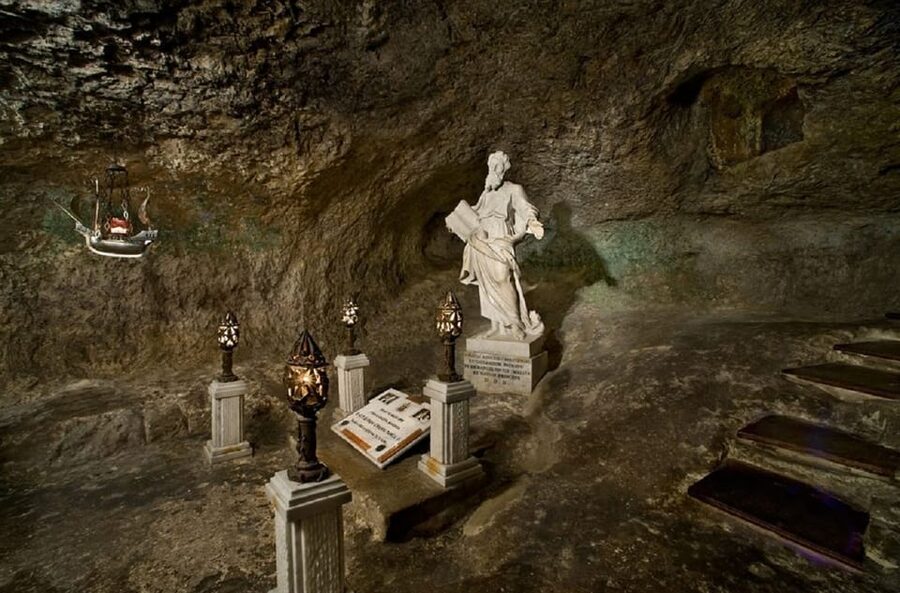
- St. Paul’s Grotto: Visit the underground site linked by tradition with Paul’s three months in Malta.
- Rabat and Mdina on foot: Walk through narrow streets and early medieval architecture with a licensed guide.
- St. Paul’s Cathedral: See the interior artwork and learn about St. Publius and the island’s first Christian era.
- St. Paul’s Bay: Hear the story of Paul’s arrival after a storm in AD 60.
- Six hours with transport included: Hotel or nearby pickup, air-conditioned coach travel, and return transport are included.
- A guide-led history lesson: Mario has often led this experience, explaining religion, Maltese history, agriculture, botany, and local life.
Following St. Paul Through Malta
This is not simply a church tour. It is a guided look at how one biblical episode became part of Malta’s identity.
According to Christian tradition, the Apostle Paul reached Malta in AD 60 after a shipwreck. He is said to have stayed on the island for three months, and his arrival is closely linked with the beginning of Christianity in Malta. The tour visits the places most closely connected with that story, while also giving you a wider view of the island’s older towns and religious traditions.
The six-hour schedule gives the subject room to breathe. You will not just enter one church, take a photograph, and leave. You will walk through Rabat, enter St. Paul’s Grotto, explore Mdina, visit its cathedral, take time for lunch, and continue to St. Paul’s Bay.
The religious focus is clear, so you should book this if you enjoy sacred places, biblical history, and guided interpretation. If your main interest is Malta’s beaches, food, or prehistoric temples, another excursion may suit you better.
A few more Malta half days worth comparing
- Half Day Private Tour around the Island in Malta
★ 5.0 · 211 reviews - Malta: Half-Day Quad Bike Adventure Tour Including Transfers
★ 4.7 · 185 reviews - Valletta: Half-Day City Discovery Walking Tour
★ 3.9 · 157 reviews
Rabat and the Grotto Beneath the Town
The first major stop is Rabat, where you visit St. Paul’s Grotto. The site is traditionally connected with the apostle’s stay on Malta, when he is said to have lived there for three months.
The grotto gives the tour its strongest physical link to the early Christian era. Instead of hearing only about Paul’s arrival, you enter a place associated with his time on the island. The setting is sacred and relatively intimate, so your guide’s explanation matters. This is where a good guide can separate established history from religious tradition and show you why both remain important in Malta.
After the grotto, you walk through Rabat. Expect narrow, winding streets and early medieval architecture rather than broad avenues or modern city blocks. Wear firm, comfortable shoes. The walking is moderate, but old-town streets can make a short distance feel longer, and the tour description specifically warns that the day includes a fair amount of walking.
Rabat is valuable because it gives you context before Mdina. You are not seeing a grand cathedral in isolation. You are moving through an old town whose streets, churches, and chapels help explain how Christian worship became part of daily Maltese life.
The pace also depends on the guide and the group. Mario has been especially praised for connecting the religious story with Malta’s wider past, including agriculture, botany, infrastructure, and present-day issues. That range can make the walking feel less like a single-subject lecture and more like an introduction to the island.
Mdina and the Art Inside St. Paul’s Cathedral
From Rabat, the tour continues to Mdina, Malta’s famous old city. Here, the focus shifts from the grotto to the cathedral and the people associated with the earliest Christian community.
At St. Paul’s Cathedral, you can admire the artwork inside the building while listening to the story of St. Publius. According to tradition, Publius was the first bishop ordained by Paul. That detail gives the cathedral visit a clear purpose: you are learning how the story of Paul’s arrival connects with the organization of Christianity on the island.
The cathedral is also the visual high point of the tour. The grotto is powerful because of its simplicity and religious meaning. The cathedral offers a more formal setting, with artwork and architectural detail that reward time spent looking upward and around the interior.
Your guide’s commentary is important here. A quick visit to a church can blur into the many similar stops found around Malta, but the explanation of St. Publius and the early Christian era gives this one a sharper focus. You will also hear about Malta beyond the apostle’s story, since the guide typically places the church within the island’s wider history.
The walking portion through Mdina and Rabat is one of the tour’s best features, but it is also where you should think about stamina. The streets are narrow and old, and there is no promise of a completely level route. This tour is not suitable for people with mobility impairments.
Lunch Break and the Rhythm of a Six-Hour Tour
After the cathedral visit, you have free time for lunch. Lunch is not included, so plan to pay separately.
A free meal break is useful because it gives you control. You can choose what suits your budget and appetite instead of being locked into a group menu. The tradeoff is that the tour does not provide a fixed meal or a clearly stated restaurant arrangement, so you should treat lunch as an independent expense and keep an eye on the meeting time.
The six-hour length is well judged for the number of places covered. A shorter tour could rush Rabat, Mdina, and St. Paul’s Bay. A longer tour might add more sites, but it could also dilute the main theme. Here, the schedule remains focused on Paul, early Christianity, and Malta’s religious heritage.
You will travel between stops by air-conditioned coach. That matters in Malta, especially in warmer months. Several parts of the day take place outdoors, and walking in the heat can be tiring. Bring plenty of water, wear a hat if needed, and use the coach time to rest.
The coach also makes this a practical choice if you are staying outside Rabat or Mdina. Pickup and drop-off are provided at your hotel or the closest meeting point. The exact location is sent by email one day before the tour, so check your messages rather than assuming the coach will stop directly outside your accommodation.
Same islands, a completely different kind of day:
- Malta: Gozo & Comino Islands, Blue Lagoon & Seacaves Tour
★ 4.5 · 15,672 reviews - Comino: Blue Lagoon, Crystal Lagoon, and Seacaves Tour
★ 4.6 · 5,673 reviews - Malta: Blue Lagoon, Beaches & Bays Trip by Catamaran
★ 4.7 · 5,496 reviews - Malta: Gozo, Comino, Blue & Crystal Lagoon, & Caves Cruise
★ 4.6 · 5,092 reviews
St. Paul’s Bay and the Arrival Story
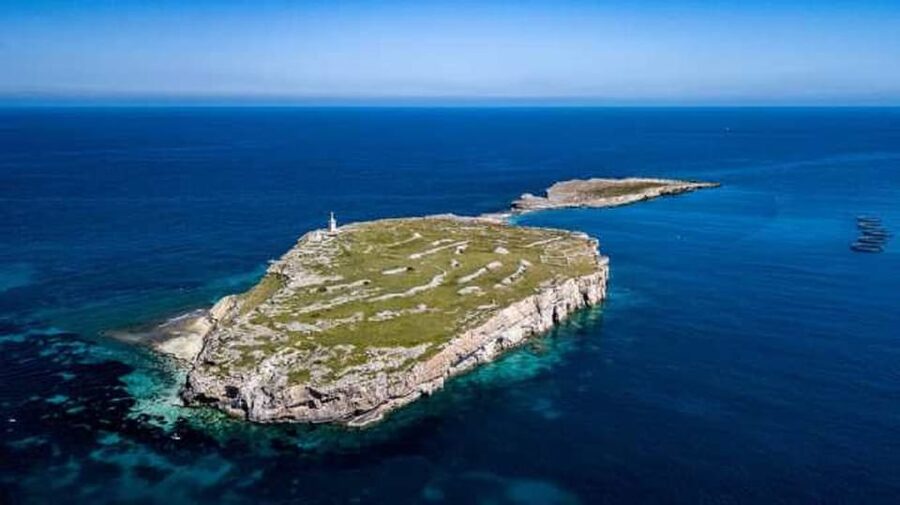
In the afternoon, the group continues to St. Paul’s Bay. Tradition places Paul’s arrival here after a large storm in AD 60.
This stop broadens the story. At the grotto, you consider Paul’s time on the island. At St. Paul’s Bay, you focus on the dramatic beginning of that stay and the events that followed his arrival. The guide provides a narrated walk, explaining the early Christian period after Paul’s death.
The bay is not presented simply as a scenic stop. Its value comes from the story attached to it. You are encouraged to picture the arrival, the danger of the storm, and the way the event became part of Malta’s Christian memory.
The narrated walk also helps tie the day together. Without it, the tour could feel like separate visits to a grotto, cathedral, and coastal town. With the explanation, the sites form a sequence: arrival, refuge, preaching, and the growth of Christianity.
The coastal portion may be especially appealing if you want some open-air time after the enclosed religious sites. Still, the tour is not designed as a long seaside visit or beach outing. Your time remains tied to the walking route and the guide’s account of the early Christian era.
What Makes the Guiding Valuable
The strongest part of this experience is the guide’s role. The locations are meaningful, but many of them require explanation. A grotto can look like a small underground room without context. A cathedral can become a blur of paintings and stonework. A narrated walk can pass quickly if the story is not well organized.
Mario has received particularly strong praise for explaining St. Paul and Malta with unusual range. He has been described as covering religion, history, botany, agriculture, infrastructure, and current issues. That may sound broad, but it is useful on a tour of Malta, where religious buildings sit within a much larger story of farming, settlement, transport, and local life.
The guide also affects the group’s feel. One past booking described a small group that allowed time for personal questions and one-to-one conversation at the sites. Group size is not guaranteed, so I would not book expecting a private tour, but a smaller group can make this kind of history-heavy outing more rewarding.
The driver is part of the experience too. Leno has been praised for safe, kind service, and some passengers have appreciated extra sightseeing during the return journey. Those details may depend on the day and route, so treat them as possible extras rather than promised inclusions.
The tour is conducted in English, with a licensed guide. If you prefer to explore independently and read at your own pace, the steady commentary may feel like too much. If you want someone to explain what you are seeing as you go, the format works well.
Is the $71 Price Good Value?
At $71 per person, the tour is not the cheapest way to see Rabat and Mdina. But the price includes hotel or nearby pickup, air-conditioned coach transport, a licensed guide, and entrance tickets to St. Paul’s Grotto and St. Paul’s Cathedral.
That makes the value fairly strong if you want a full half-day with the practical work handled for you. You do not need to arrange transport between the towns, research the religious sites, or buy the two listed admissions separately.
The value is also tied to the guide. A basic transfer would get you from one place to another, but it would not explain St. Publius, Paul’s stay, or the early Christian era in the same way. If your interest is mainly photography, you may find the price less compelling. If you want historical interpretation, the cost makes more sense.
Lunch is extra, as are personal purchases. Keep that in mind when comparing the total cost with a self-guided outing. You are paying for convenience, context, and a structured route rather than just admission.
The tour has a 4.7 rating from 64 reviews, with repeated praise for the guides and the amount covered in six hours. That pattern suggests the experience works best when you value explanation over free time.
Heat, Walking, and Who Should Book
I would book this tour if you enjoy religious history, old towns, guided walks, and a full schedule. It is especially useful for a first visit to Malta because you see several important places without spending your day working out transport.
It also suits couples, families with older children, and visitors who want an introduction to Malta’s Christian traditions. The guide’s broader commentary can add value if you want to understand the island beyond its postcard views.
You should think twice if you have difficulty walking, need step-free access, or dislike standing and moving between several sites. The tour is not suitable for people with mobility impairments, and the warning about moderate walking should be taken seriously.
Summer heat is another consideration. Bring water, wear comfortable shoes, and plan for outdoor walking between indoor visits. A cooler season may make the route easier, though the tour can run throughout the year depending on availability.
Free cancellation up to 24 hours before departure and the option to reserve now and pay later make booking less risky. Those policies are useful if your Malta plans are still changing, but they do not change the physical demands of the day.
Should You Book the St. Paul Tour?
Book it if you want Malta’s early Christian story explained in the places linked with it. The combination of Rabat, St. Paul’s Grotto, Mdina, St. Paul’s Cathedral, and St. Paul’s Bay gives you a clear six-hour route with a strong religious focus.
The best reason to choose it is the guiding. When Mario leads the day, you can expect more than a narrow account of Paul, with links to Malta’s society, countryside, buildings, and daily life. Your guide may vary, but the format remains built around that kind of interpretation.
Skip it if you want a relaxed day with long meal breaks, beach time, or little walking. For everyone else, $71 is a reasonable price for transport, two admissions, and a focused introduction to one of Malta’s most important religious stories.
FAQ
How long does the St. Paul in Malta tour last?
The tour lasts six hours, including the guided visits, walking portions, free time for lunch, and transport between locations.
What places does the tour visit?
The itinerary includes Rabat, St. Paul’s Grotto, Mdina, St. Paul’s Cathedral, and St. Paul’s Bay.
Is lunch included?
No. You receive free time for lunch, but the meal is not included in the tour price.
Is transportation provided?
Yes. Pickup and drop-off are provided from your hotel or the nearest meeting point, and travel between locations is by air-conditioned coach.
What language is the tour conducted in?
The tour is conducted in English by a licensed live guide.
Is the tour suitable for people with mobility impairments?
No. The tour includes a moderate amount of walking and is listed as unsuitable for people with mobility impairments. Comfortable shoes are recommended.
Just added around Malta
- Gozo: Wine Tasting and Paired Dinner Experience★ 4.9 · 43 reviews
- World War II Malta Full-Day Walking Tour★ 4.3 · 18 reviews
- Victoria, Gozo: Sunset Walking Food and Drink Tour★ 5.0 · 6 reviews
- Malta: 5 hr Vintage Bus Tour – Mdina & Blue Grotto inc. food★ 5.0 · 22 reviews
- Wakeboarding Adventure in Malta: Learn to Ride★ 5.0 · 4 reviews
- Valletta & Mdina: Private Tour★ 4.5 · 16 reviews
- Valletta: Private Maltese Cuisine Walking Tour★ 4.8 · 8 reviews
- Valletta: Private Massage from a world renowned masseuse★ 4.6 · 9 reviews
Half-Day, compared.

Half-Day Quad Bike Adventure Tour Including Transfers
Read our review →

Half-Day Tour of Mosta, Ta’Qali Crafts Village & Mdina
Read our review →
Half day Cruise – Comino, Gozo, Blue & Crystal Lagoon, and Caves
Read our review →
The Three Fortified Cities of Malta Half Day Tour Incl. Boat Trip and Transfers
Read our review →
Half Day Malta Tour to Gozo Comino and Blue Lagoon Caves
Read our review →