
Reviewed · HISTORICAL TOURS
Palazzo Falson Historic House Museum entrance ticket
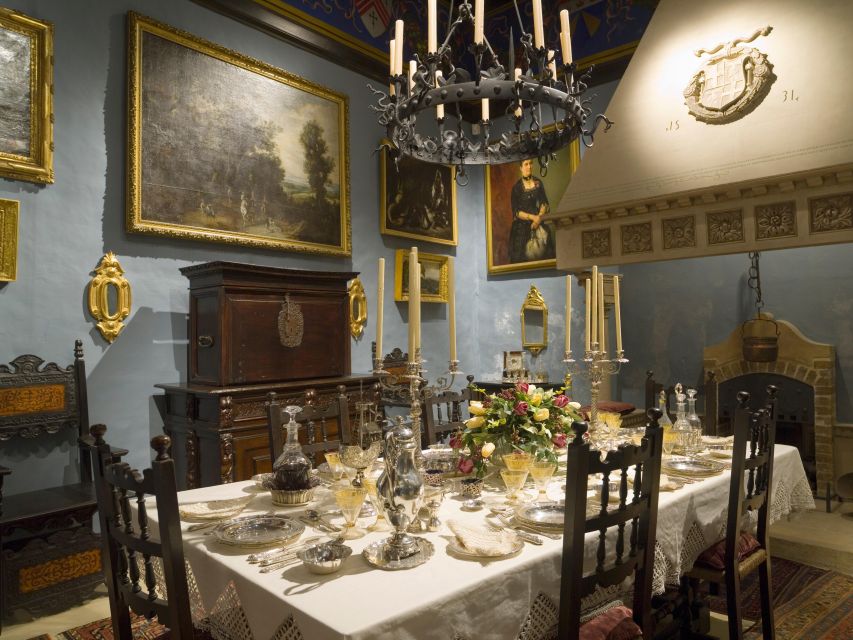
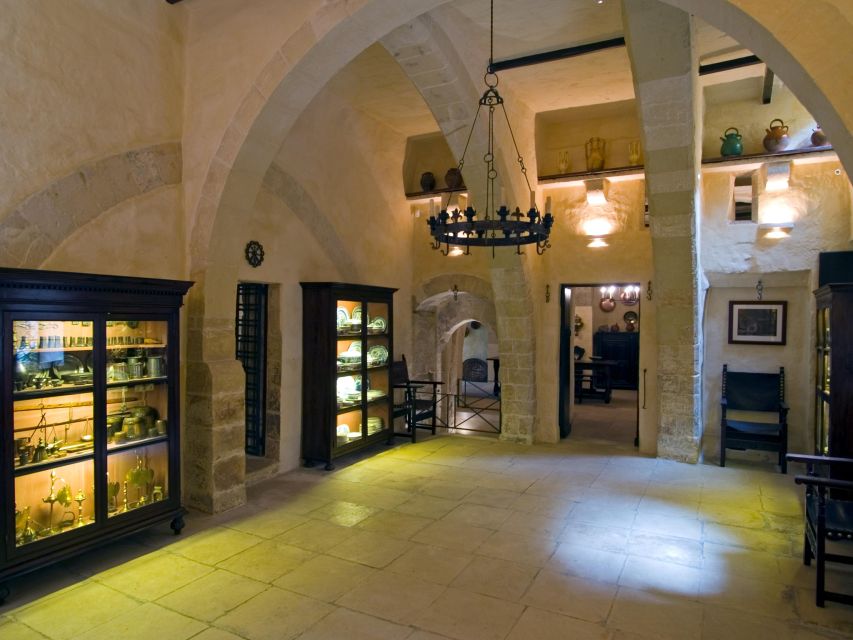
Palazzo Falson packs an extraordinary amount into a small medieval palace. Behind its old stone walls, you’ll find paintings, silver, jewellery, armour, furniture, rugs, books, and manuscripts gathered by Captain Olof Frederick Gollcher, a Swedish-born artist and collector who lived here.
I like the 17-room layout, which lets you see the collection in the setting of a real noble home rather than in a bare gallery. I also like the upper terrace café, where a coffee and views across Mdina make a natural pause after the indoor rooms.
The main consideration is pace. With 45 collections and more than 3,500 objects, a quick visit will leave much unseen. Children under six are not admitted, and the experience is self-guided with an audio tour rather than a live guide.
Key points to know before entering
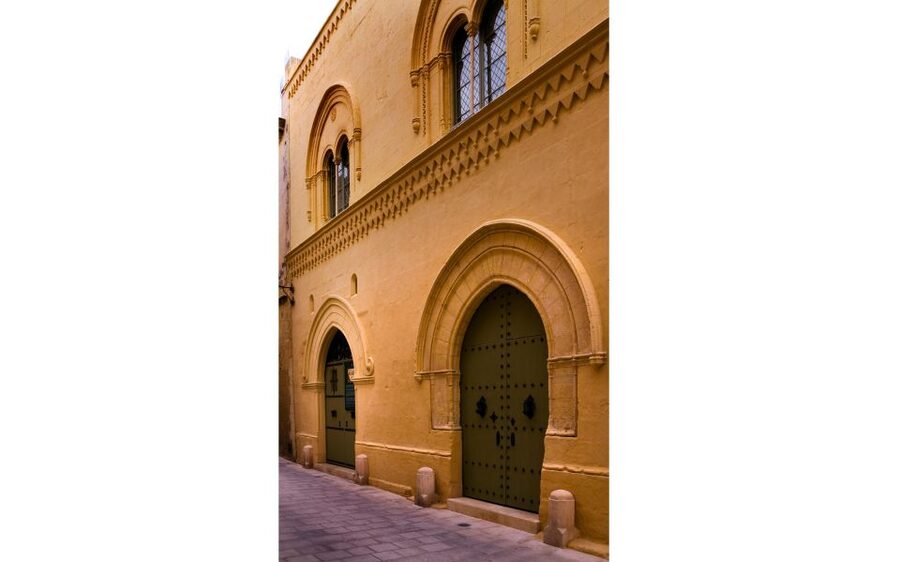
- A medieval palace in Mdina: Palazzo Falson began as a family residence for Maltese nobility, with origins reaching back to the early 13th century.
- Seventeen rooms of objects: Forty-five separate collections include paintings, furniture, silver, jewellery, rugs, armour, books, and manuscripts.
- A collector’s home, not just a gallery: Captain Olof Frederick Gollcher’s former living quarters give the visit a personal feel.
- Important old paintings: Works attributed to Mattia Preti, Jusepe de Ribera, Jakob-Ferdinand Voet, Charles Beale, and Juriaen van Streeck are part of the collection.
- Audio support in six languages: Choose English, French, German, Italian, Maltese, or Spanish.
- A terrace coffee break: The upper-floor cafeteria gives you views over Mdina and the surrounding area.
Entering Mdina’s second-oldest surviving building
Palazzo Falson is in the walled city of Mdina, Malta’s former capital. It is the second-oldest building still standing inside the city, which gives the visit a useful sense of place before you even begin looking at the objects.
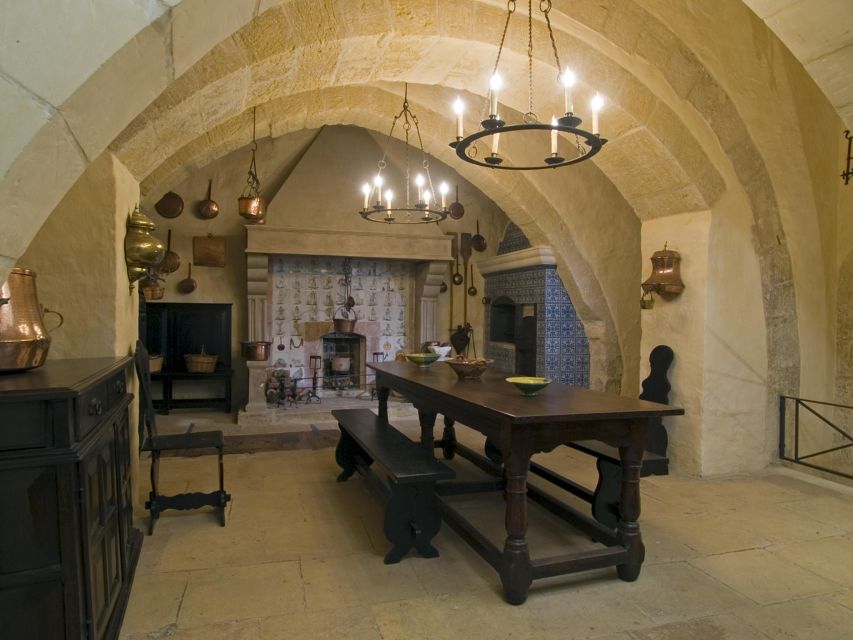
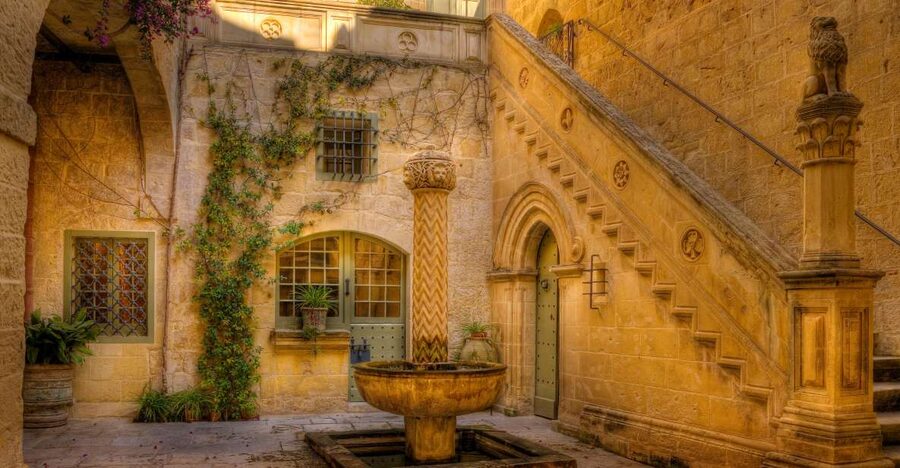
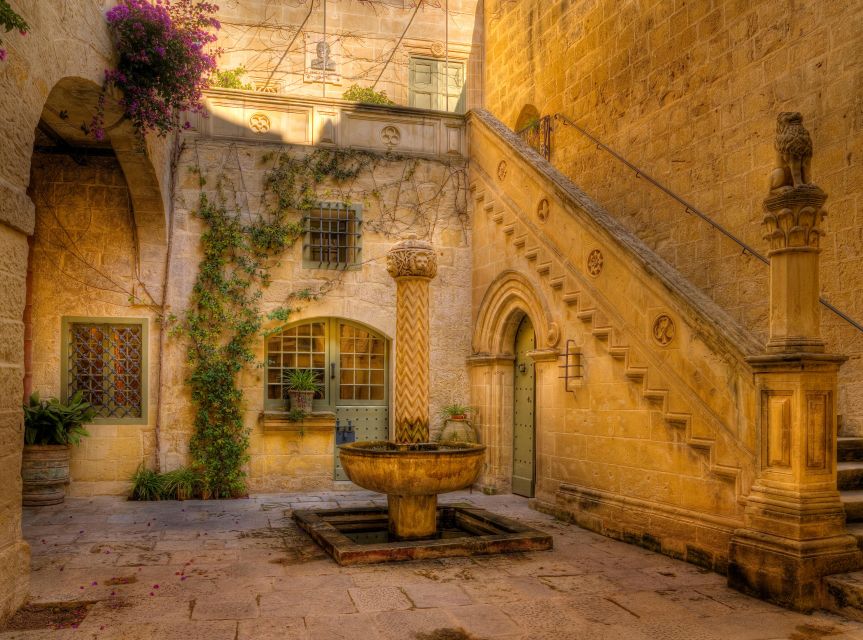
The palace has medieval origins, but its design reflects Sicilian examples from the period. It is a two-storey building arranged around an internal courtyard. The rooms at the back of the courtyard form the oldest section, while the upper piano nobile contains the main living quarters.
That layout matters. You are not walking through a modern museum with objects placed in neutral white rooms. You are moving through a house shaped by family life, status, collecting, and changing owners. The building itself helps explain why furniture, books, silver, and paintings are displayed together.
The palace has carried several names over the centuries, including Palazzo Cumbo-Navarra, Casa dei Castelletti, and The Norman House. Its long story also connects it to Malta’s political past. In the early 16th century, it passed to Michele Falson, Vice Admiral and Head of the Town Council.
In 1530, after Malta was given to the Knights of the Order of St. John by Emperor Charles V, Grand Master Philippe Villiers de L’Isle Adam was hosted by Maltese nobles at the palace after taking possession of Mdina. You do not need to know every name to appreciate the setting, but this detail helps show how closely the building was tied to the city’s ruling class.
More Museums in Malta:
- Malta Classic Car Collection Museum Entry Ticket
★ 4.9 · 247 reviews - Skip the Line: Malta Classic Car Museum Admission Ticket
★ 5.0 · 174 reviews - Casa Rocca Piccola Palace and Museum Entrance Ticket
★ 4.7 · 116 reviews
The rooms that make the collection personal
The heart of the visit is the series of 17 rooms holding 45 specific collections. More than 3,500 objects are displayed, so the experience is less about one famous masterpiece and more about seeing how a serious private collection takes shape.
Captain Olof Frederick Gollcher, the last owner and resident, collected across many fields. He was an artist, researcher, philanthropist, and recipient of several honours. His interests ranged from decorative objects to historical pieces, and his home became a record of those interests.
I like this kind of museum because it gives you a human scale. A painting on its own can be impressive, but a painting beside furniture, books, silver, or armour tells you more about the collector’s taste. You begin to notice connections between the objects instead of treating each one as an isolated item.
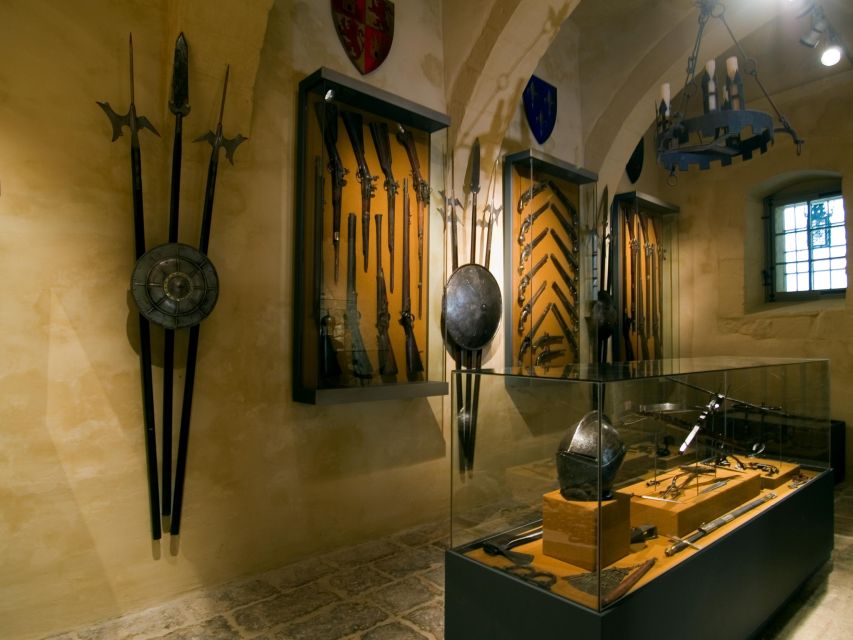
The arrangement also rewards different kinds of interest. If you care about decorative arts, focus on the silver, jewellery, furniture, and Oriental rugs. If you prefer military history, give the armoury more time. If you like old books, the library is likely to be one of the most absorbing rooms.
The collection includes a remarkable library of more than 4,500 books, along with valuable manuscripts. Since the supplied details do not list individual titles or manuscripts, you should think of this area as a chance to see the scale and seriousness of Gollcher’s collecting rather than arrive expecting one specific famous volume.
Paintings by major seventeenth-century names
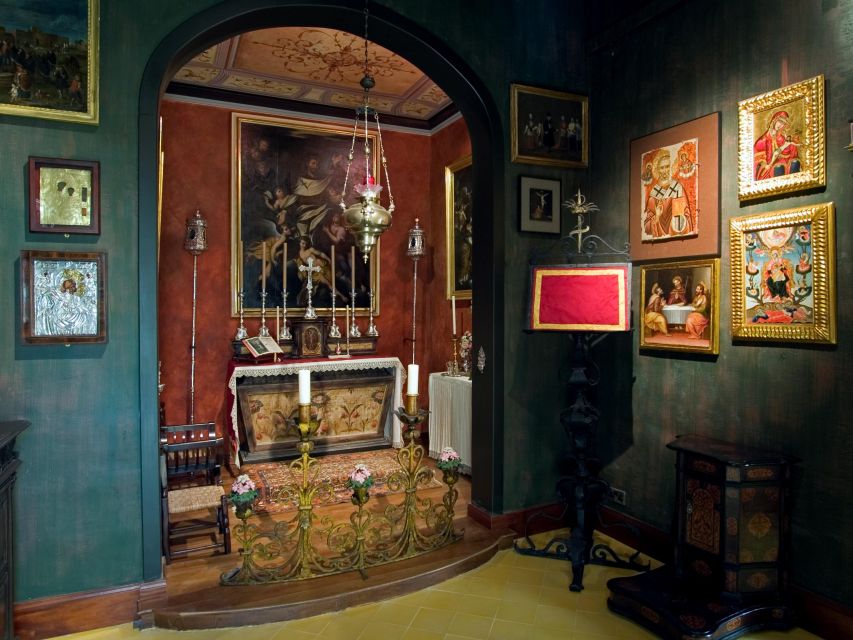
The painting collection gives Palazzo Falson added weight. Several works are attributed to important 17th-century artists, including Mattia Preti, Jusepe de Ribera, Jakob-Ferdinand Voet, Charles Beale, and Juriaen van Streeck.
The wording attributed to is important. This is not the same as a museum promising that every work is definitively by those painters. Still, the names point to the quality and period of the collection, and they make the paintings a reason to slow down.
If you know Maltese art history, you may already recognize Mattia Preti, whose work is closely associated with Malta. If you do not, the audio guide should help you understand what you are seeing without requiring prior knowledge.
The paintings are also more meaningful when viewed as part of the house. A grand work in a historic residence feels different from the same sort of picture in a large national gallery. Here, the setting suggests how art might have functioned within a private household, alongside objects collected for pleasure, study, or prestige.
Using the audio guide without rushing
Your ticket includes an audio guide in English, French, German, Italian, Maltese, or Spanish. Printed information is also available in Arabic, Chinese, Czech, Dutch, English, French, German, Greek, Hungarian, Italian, Japanese, Maltese, Polish, Portuguese, Russian, Slovak, Spanish, and Swedish.
That language range is useful if you are visiting with family or friends who prefer to read rather than listen. The audio guide gives the rooms more context, while the printed material lets you move at your own speed.
I would avoid trying to hear every explanation at maximum speed. A house museum works best when you alternate between listening and looking. Pay attention to the room itself, then choose the objects that catch your eye. The large number of pieces can become tiring if you treat the visit as a checklist.
The ticket is valid for one day, and starting times depend on availability. This gives you some flexibility, but the information provided does not state a fixed visit length. Plan for enough time to explore the rooms and enjoy the terrace rather than squeezing the palace into a few hurried minutes.
More History Tours in Malta:
- Malta: Prehistoric Temples, Limestone Heritage & Blue Grotto
★ 4.2 · 412 reviews - Maltese Islands History Audio-Visual Show and La Sacra Infermeria Tour
★ 4.0 · 344 reviews - Valletta: Self-Guided Historical Walking Tour (Audio Guide)
★ 3.7 · 251 reviews - Wonderful Valletta, gastronomy, art, and history in the Mediterranean
★ 4.5 · 72 reviews
The upper terrace and views beyond Mdina
The upper-floor cafeteria offers views of Mdina and the area beyond the city walls. One recent booking included touring the house and then having coffee on the rooftop, which suggests a simple and pleasant way to finish the visit.
The terrace is not just an extra service. Mdina’s position and walls are part of the setting, so looking outward helps you understand the palace’s place within the old city. After the darker interiors and tightly arranged collections, the open view provides a welcome change.
Keep your expectations practical. The attraction includes access to the cafeteria and views, but the supplied information does not state that food or drinks are included in the $15 ticket. Budget separately for coffee.
This pause is especially useful if you are visiting Mdina on foot. The house contains a lot to see, and a short break can help you enjoy the final rooms instead of fading halfway through the collection.
Is the $15 ticket good value?
At $15 per person, Palazzo Falson is not a major financial commitment, but value depends on how you like to visit museums. If you enjoy historic interiors, decorative arts, paintings, and private collections, the ticket offers a lot in one compact stop.
You are paying for more than entry into an old building. The admission includes the audio guide, access to 17 rooms, and the chance to see over 3,500 objects in their former residential setting. The multilingual printed information adds practical value for mixed-language groups.
The ticket is less compelling if you only want a fast look at Mdina’s architecture. The exterior and medieval setting are worthwhile, but the real reason to pay is the collection inside. You should be willing to spend time with objects that may not be immediately familiar.
The included cancellation option also reduces the risk of booking too early. You can cancel up to 24 hours in advance for a full refund, and the reserve-now, pay-later option keeps your plans flexible. These policies are useful if your Mdina day may change, though they do not affect the quality of the museum itself.
Who will enjoy Palazzo Falson most?
I would recommend this experience to you if you like house museums, old books, paintings, furniture, arms, or the private collecting habits of unusual historical figures. It also suits anyone who wants more than a quick walk through Mdina’s streets.
Art lovers may focus on the 17th-century paintings. History-minded visitors may prefer the building’s medieval structure, its connection to the Falson family, and its link with the arrival of the Knights of St. John. Those who enjoy design and household objects can spend more time with the silver, jewellery, rugs, and furniture.
The attraction is not suitable for children under six. Older children may enjoy parts of it, but the information provided does not describe child-focused activities, so families should decide based on the child’s patience for a self-guided museum visit.
It also suits independent sightseers. You are not tied to a long group itinerary, and the audio guide lets you set your own pace. The listed host or greeter language is English, but the audio guide offers six languages and printed material covers many more.
A practical way to fit it into your Mdina day
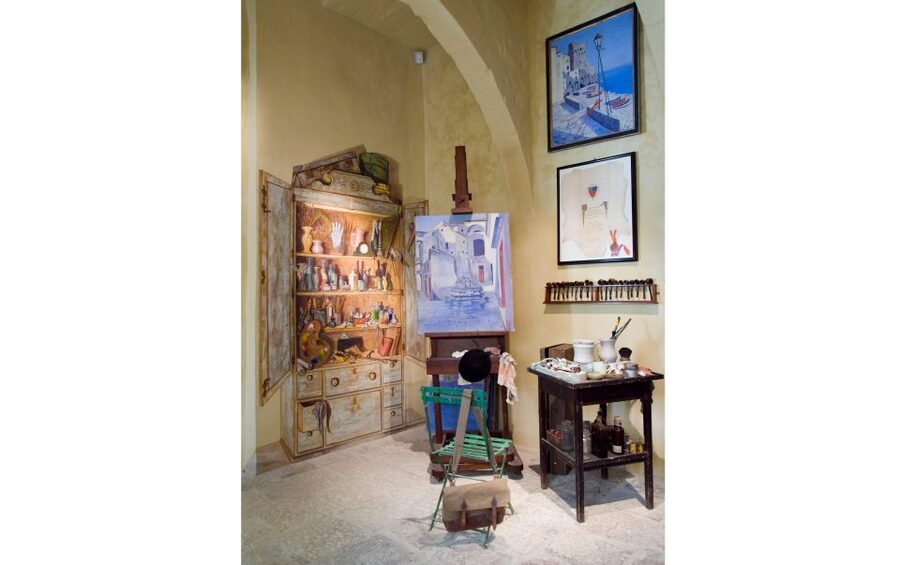
Give Palazzo Falson a calm block of time rather than treating it as a five-minute add-on. Start with the building and courtyard, then follow the rooms through the living quarters and collections.
Use the audio guide for orientation, but do not feel obliged to listen to every track. Select the areas that match your interests. If books and manuscripts matter most to you, leave enough time for the library. If art is your priority, slow down in the rooms with paintings attributed to major 17th-century artists.
Finish upstairs at the cafeteria and look out across Mdina. A coffee after the tour is a particularly sensible plan, as the palace contains so many objects that you may want a quiet moment to sort through what you have seen.
The ticket is valid for one day, but that does not mean you need to spend the whole day inside. Pair the museum with your wider visit to Mdina, then use the palace as a focused look at the city’s domestic, artistic, and collecting traditions.
Should you book Palazzo Falson?
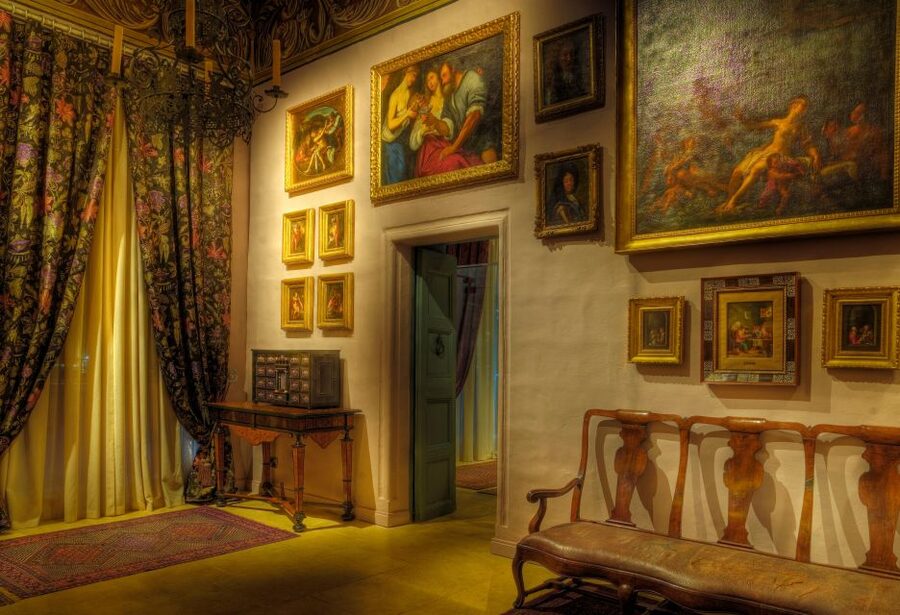
Book it if you want to see Mdina from the inside, through a medieval noble house and one collector’s wide-ranging interests. The combination of architecture, paintings, books, armour, jewellery, and terrace views gives you more variety than a single-theme museum.
Skip it if you are only looking for a brief architectural stop or if your group has little interest in a self-guided collection. For most people who enjoy old houses and objects with a story, the $15 admission is fair, especially with the audio guide included.
FAQ
Where is Palazzo Falson Historic House Museum?
It is located in Mdina, Malta’s former capital city, inside the walled historic city.
How much does admission cost?
The entrance ticket costs $15 per person.
How long is the ticket valid?
The ticket is valid for one day. Starting times depend on availability.
What does the ticket include?
It includes entrance to Palazzo Falson Historic House Museum, an audio guide, and printed information.
Which languages are available for the audio guide?
The audio guide is available in English, French, German, Italian, Maltese, and Spanish.
Which languages are available in the printed information?
Printed information is available in Arabic, Chinese, Czech, Dutch, English, French, German, Greek, Hungarian, Italian, Japanese, Maltese, Polish, Portuguese, Russian, Slovak, Spanish, and Swedish.
Is the experience suitable for young children?
Children under six are not permitted for this experience.
Is there a café at Palazzo Falson?
Yes. The upper-floor cafeteria has a terrace with views of Mdina and beyond.
Can I cancel the booking?
You can cancel up to 24 hours in advance for a full refund. A reserve-now, pay-later option is also available.
Just added around Malta
- Gozo: Wine Tasting and Paired Dinner Experience★ 4.9 · 43 reviews
- World War II Malta Full-Day Walking Tour★ 4.3 · 18 reviews
- Victoria, Gozo: Sunset Walking Food and Drink Tour★ 5.0 · 6 reviews
- Malta: 5 hr Vintage Bus Tour – Mdina & Blue Grotto inc. food★ 5.0 · 22 reviews
- Wakeboarding Adventure in Malta: Learn to Ride★ 5.0 · 4 reviews
- Valletta & Mdina: Private Tour★ 4.5 · 16 reviews
- Valletta: Private Maltese Cuisine Walking Tour★ 4.8 · 8 reviews
- Valletta: Private Massage from a world renowned masseuse★ 4.6 · 9 reviews
Historical Tours, compared.

Prehistoric Temples, Limestone Heritage & Blue Grotto
Read our review →
Maltese Islands History Audio-Visual Show and La Sacra Infermeria Tour
Read our review →
Self-Guided Historical Walking Tour (Audio Guide)
Read our review →
Wonderful Valletta, gastronomy, art, and history in the Mediterranean
Read our review →



The Limestone Heritage Park and Gardens (Entry Ticket)
Read our review →Browse the lists this tour appears in