
Reviewed · MUSEUMS
Casa Rocca Piccola palace & museum entrance ticket
Casa Rocca Piccola’s biggest surprise is below ground. After walking through an elegant noble home in central Valletta, you descend into World War II air-raid shelters cut from the rock. More than 100 people once sheltered here. I like that the visit connects fine furniture and family portraits with the harder daily life of wartime Malta.
I also like the choice of a live English tour or a self-guided audio visit. The palace rooms, internal garden, dining room, and unusual household details give you plenty to look at, while the nearby city centre makes this an easy addition to a day in Valletta. The main drawback is pace: a guide may move quickly, and the short visit can feel rushed if you want to study every object.
Key points to know
- A living family palace: Casa Rocca Piccola remains the ancestral home of the de Piro family, rather than being an empty historic shell.
- The air-raid shelters are the surprise highlight: Underground tunnels show how Valletta residents sought safety during World War II.
- Three ways to visit: Choose an English group tour, an English printed guide, or an audio tour in English, French, German, Italian, or Spanish.
- Fine rooms and everyday character: Look for silver, paintings, furniture, family portraits, a striking dining room, and an unusual parrot.
- Good central location: The palace is close to Valletta’s city centre and public transportation.
- Flexible timing: Visits can take about 30 minutes to several hours, depending on your pace and whether you join a guided tour.
Why Casa Rocca Piccola feels different from a standard museum
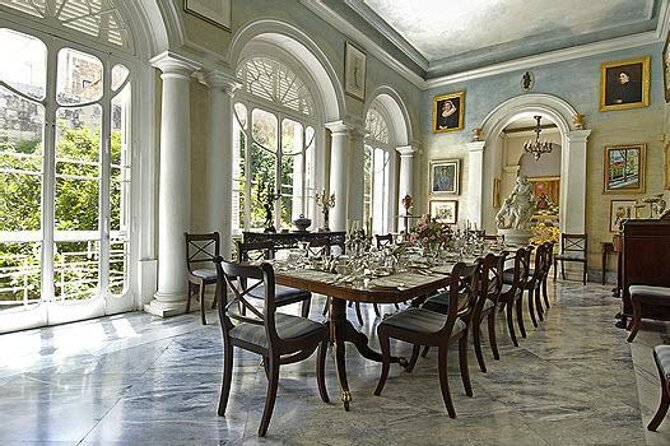
Casa Rocca Piccola is not simply a row of rooms behind glass. It is a 16th-century palace that became the home of the de Piro family, a Maltese noble family, and it still has the feel of a private residence. That changes how you read the rooms.
You are not only looking at an old chair or a family portrait. You are seeing how a prominent Maltese household arranged its dining rooms, sleeping quarters, gardens, and display pieces. The home contains more than 50 rooms, though only some are open to the public.
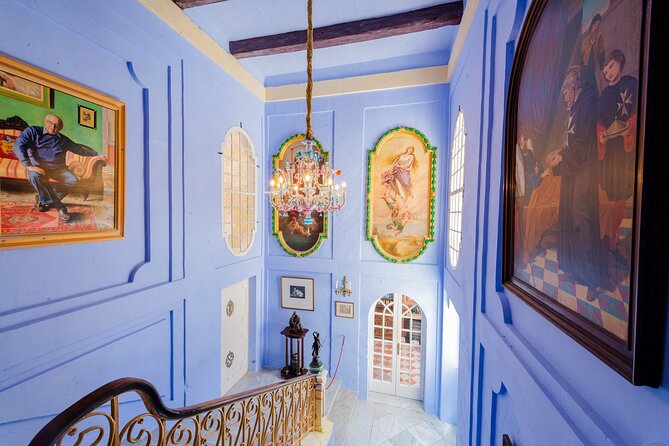
The result is more personal than a major national museum. You get a close look at furniture, silver, paintings, light fixtures, and objects gathered from Malta and across Europe. Family portraits of the Marquises de Piro and the Barons of Budach appear alongside newer paintings, giving the rooms a sense of several generations sharing the same house.
I find that mix especially useful if you have already seen Valletta’s main churches and military sights. Casa Rocca Piccola adds a social side to the city. It shows how one noble family lived within Valletta’s stone streets, rather than focusing only on rulers, forts, and religious art.
More Museums in Malta:
- Malta Classic Car Collection Museum Entry Ticket
★ 4.9 · 247 reviews - Skip the Line: Malta Classic Car Museum Admission Ticket
★ 5.0 · 174 reviews - Casa Rocca Piccola Palace and Museum Entrance Ticket
★ 4.7 · 116 reviews
Entering the palace and its decorated rooms
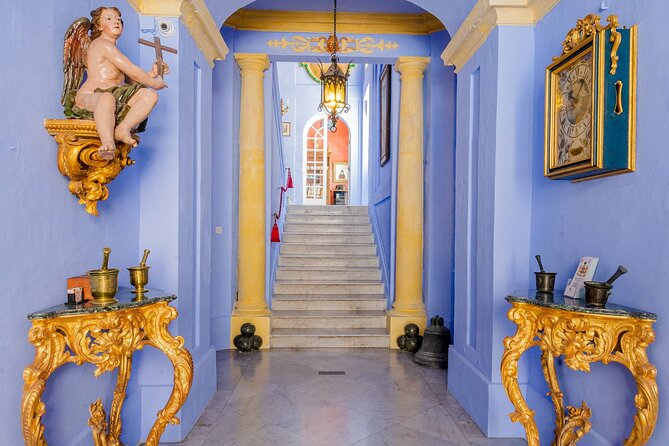
The entrance hall gives you an immediate sense that the building is larger inside than its street frontage suggests. The visit then moves through furnished rooms, with the guide or audio narration explaining what you are seeing.
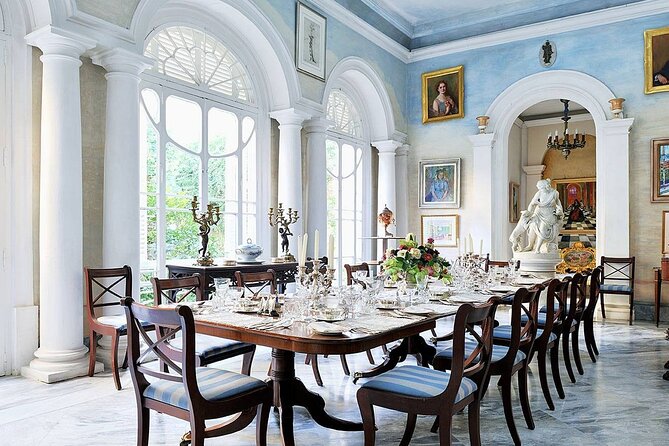
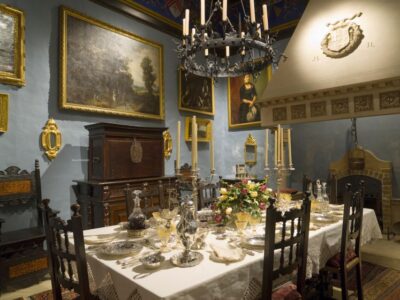
The dining room receives particular attention for good reason. It is one of the most memorable spaces in the house, with a formal setting and strong decorative detail. You may also notice how the palace combines display pieces with signs of present-day life. This is not a frozen period set.
The collection includes hundreds of objects. You will find furniture, silver, paintings, portraits, and decorative details, but the experience works best if you do not try to inspect every single item. Give yourself time for the rooms that catch your eye, then keep moving when the group does.
The family story is part of the appeal, though it may not be explained in as much detail as you hope. If your main interest is genealogy or Maltese noble families, the printed material or audio option may let you take things at a slower pace than a group visit.
Modern paintings appear among older family portraits. That contrast helps show that the palace is still connected to living owners, not just to the past. On some visits, the current owner may be present, and the house can feel unusually personal when you see the family moving through it.
A parrot is another small but memorable detail. It has become one of the palace’s unofficial characters, and a garden may also contain turtles. These touches are not the reason to book, but they make the visit feel less formal and more like a real home.
The internal garden and small details worth noticing
The garden offers a change of pace after the darker, decorated rooms. It is an internal garden rather than a grand open park, but that is part of its charm. You can pause there and see how a city palace creates a private outdoor space within Valletta.
The garden also helps break up the visit. If you are sightseeing in warm weather, the shaded or quieter areas can make Casa Rocca Piccola a useful stop between outdoor sights. One practical advantage is that you can combine history with a short rest without leaving the centre of Valletta.
Keep an eye out for the black and yellow Bentley mentioned by past visitors. It is an unusual detail within the palace setting and adds to the sense that this is an occupied family home, not only an exhibition.
There is also a bookshop and La Giara restaurant on site. The supplied information does not give restaurant opening hours or menu details, so I would not plan your whole meal around it without checking locally. Still, having food and facilities at the palace is handy if you want to extend the visit.
Going below ground into the World War II shelters
The underground section gives Casa Rocca Piccola its strongest historical contrast. Beneath the palace, tunnels were cut through the rock and used as air-raid shelters during World War II. More than 100 people sheltered there while bombs fell on Valletta.
The shelters are spacious compared with some other old tunnels in Malta, according to the experience details provided. That makes the area easier to understand as a place where a large group of people spent time, rather than simply a narrow passage through stone.
I like this part because it moves the story away from noble interiors and toward ordinary fear and survival. Upstairs, you see silver and formal rooms. Below, you see the practical spaces created for protection. The two sections belong together, even though they tell very different stories.
The underground area may be the best reason to choose a guided tour if you want context. A guide can help connect the shelter to Valletta’s wartime experience, while an audio tour lets you control the pace and spend longer looking at the space.
You should also remember that the palace is an old building with an underground section. The supplied information confirms that service animals are allowed and that most people can participate, but it does not provide detailed accessibility information for every room, stairway, or shelter passage. If mobility is a concern, ask the provider before booking.
A few more Malta half days worth comparing
- St Paul’s Bay: Malta National Aquarium Entry Ticket
★ 4.4 · 2,532 reviews - Mellieha: Popeye Village Entry Ticket
★ 4.6 · 2,070 reviews - Mellieha: Popeye Village Malta Filmset Entry Ticket
★ 4.6 · 1,802 reviews - Malta National Aquarium Entrance Ticket
★ 4.0 · 643 reviews
Guided visit, audio tour, or printed guide
You have three useful ways to see Casa Rocca Piccola.
The live guided visit is in English, and pre-booking is recommended. Guides named Daniela and Stephen received particular praise for making the visit interesting and clear. Stephen was described as poised and articulate, while Daniela was singled out as a friendly guide. A good guide can make the family story easier to follow and point out details you might otherwise miss.
The tradeoff is pace. One guide may move quickly from room to room, leaving you wishing for more time with the furniture or family portraits. If you tend to read every label, a self-guided option may suit you better.
The audio tour is available in English, French, German, Italian, and Spanish. This is a real advantage for a multilingual party or for anyone who prefers to explore independently. It also gives you more control over the visit, especially in the rooms where you want to pause.
An English printed guide is another option. It may be useful if you do not want to wear headphones or if you prefer to scan information while looking at the room itself. The information provided does not specify how detailed the printed guide is, so I would treat it as a practical aid rather than assume it replaces a full personal explanation.
How long you should allow
The advertised visit can take about 30 minutes to six hours. That is a very wide range, but it reflects the difference between a quick palace look and a slow visit with time in the garden, shelter, bookshop, or restaurant.
For a quick look, 30 minutes may cover the main rooms and the underground shelters. I would allow longer if Casa Rocca Piccola is a priority rather than a brief stop. The large collection rewards patience, and a hurried visit is the main risk here.
A guided group visit may feel shorter because the group keeps moving. If you want to linger over paintings, silver, or family portraits, select an audio or printed guide if available at your chosen time. You can also choose an entry time that fits around the rest of your Valletta sightseeing.
The flexible entry schedule is valuable because Valletta is easy to explore on foot, but days can become crowded with churches, museums, and fortifications. Casa Rocca Piccola works well as a morning cultural stop, a warm-weather break, or a quieter addition after the main city sights.
Price and value at about $12.62
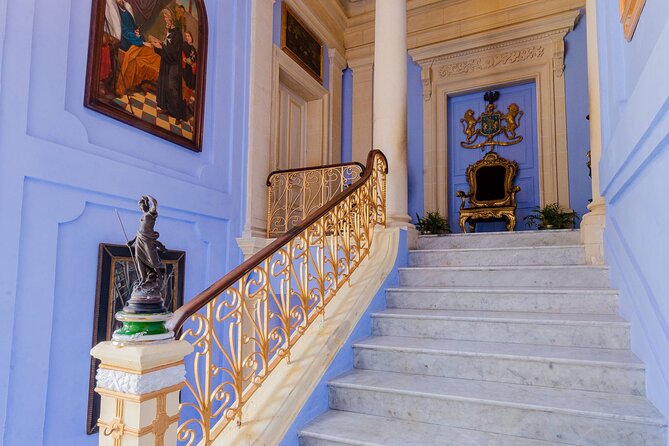
At roughly $12.62 per person, the ticket is fairly priced for the amount of variety packed into one visit. You are paying for more than access to a decorated house. The ticket includes the palace rooms, furniture and art collection, garden areas, and World War II shelters, with guided or self-guided options included.
The value is strongest if you are interested in domestic history, not only grand monuments. You see how a noble family lived, then step into the wartime spaces beneath the house. That combination is harder to find in a conventional museum.
The price is less compelling if you only want a quick photograph or a brief look at one impressive room. The palace is relatively small compared with a major museum, and a rushed visit can make the ticket feel less worthwhile.
Still, the central location, included admission, multiple tour formats, and unusual underground section make it a sensible purchase for many Valletta itineraries. The experience receives a 4.6 rating from 42 reviews, with 90 percent recommending it, which matches the broad appeal of the visit without suggesting that every guide or pace will suit everyone.
Who should book Casa Rocca Piccola
I would recommend this palace to anyone who wants to see a more personal side of Malta. It suits history fans, architecture lovers, people interested in family collections, and anyone who has already covered Valletta’s major sights.
Families may appreciate the parrot, turtles, garden, and underground shelters, though the palace collection itself is better suited to children who can manage a guided indoor visit. The shelters add a physical element that can make the history easier to grasp.
It is also a good choice for visitors who dislike large museums. The house is intimate, and the route gives you a clear sense of place. You can finish in under an hour or take much longer, depending on your interest.
I would be more cautious if you need a fully detailed account of every family member, or if you expect a slow, scholarly tour of each object. One guide may hurry the group, and some background about the ancestors and their lives in Malta may feel brief.
Free cancellation is available if you cancel at least 24 hours before the start time. Changes or cancellations made within 24 hours are not accepted for a refund, and the cut-off uses local time.
Should you book it?
Book Casa Rocca Piccola if you want an easy-to-reach Valletta visit that joins noble interiors with a powerful wartime shelter. I especially like the contrast between the formal dining room, family portraits, and silver upstairs and the rock-cut refuge below.
Choose the guided option if you want a human explanation and can accept a quicker pace. Choose audio or printed material if you prefer to stop often and examine the collection closely. At about $12.62, it is good value for a 30-minute visit and even better value if you give yourself enough time for the garden, shelter, and palace details.
FAQ
Where is Casa Rocca Piccola?
Casa Rocca Piccola is in Valletta, Malta, close to the city centre and near public transportation.
What is Casa Rocca Piccola?
It is a 16th-century palace and living museum built for Don Pietro La Rocca, a Knight of Malta. It is now the ancestral home of the de Piro family, a Maltese noble family.
How much does admission cost?
The listed price is about $12.62 per person.
How long does the visit take?
The experience can take approximately 30 minutes to six hours, depending on how you explore the palace and whether you spend time in the garden, bookshop, restaurant, or underground shelters.
Is a guided tour included?
Live guided tours in English are included with the entrance ticket. Pre-booking is recommended.
Is an audio guide available?
Yes. Audio self-tours are available in English, French, German, Italian, and Spanish.
Is a printed guide available?
Yes. An English printed guide is included as one of the available ways to explore the palace.
What can you see inside the palace?
You can see period furniture, silver, paintings, family portraits, and other objects from Malta and Europe. More than 50 rooms are in the house, though only many of them are open for viewing.
Can you visit the World War II shelters?
Yes. The palace has underground tunnels that were used as air-raid shelters during World War II. More than 100 people sheltered there.
Is Casa Rocca Piccola suitable for most people?
Most people can participate, and service animals are allowed. The provided information does not give detailed access information for every palace room or underground area, so ask the provider directly if you have specific mobility needs.
What facilities are available on site?
The palace has restrooms, a bookshop, and La Giara restaurant.
Just added around Malta
- Gozo: Wine Tasting and Paired Dinner Experience★ 4.9 · 43 reviews
- World War II Malta Full-Day Walking Tour★ 4.3 · 18 reviews
- Malta: 5 hr Vintage Bus Tour – Mdina & Blue Grotto inc. food★ 5.0 · 22 reviews
- Wakeboarding Adventure in Malta: Learn to Ride★ 5.0 · 4 reviews
- Victoria, Gozo: Sunset Walking Food and Drink Tour★ 5.0 · 6 reviews
- Valletta & Mdina: Private Tour★ 4.5 · 16 reviews
- Valletta: Private Maltese Cuisine Walking Tour★ 4.8 · 8 reviews
- Valletta: Private Massage from a world renowned masseuse★ 4.6 · 9 reviews
Museums, compared.
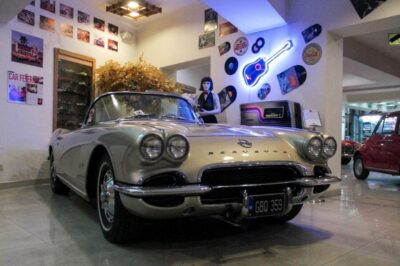
Malta Classic Car Collection Museum Entry Ticket
Read our review →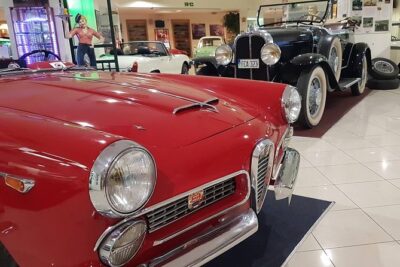
Skip the Line: Malta Classic Car Museum Admission Ticket
Read our review →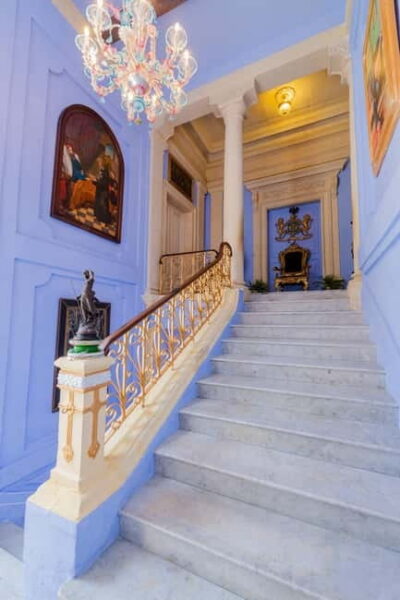
Casa Rocca Piccola Palace and Museum Entrance Ticket
Read our review →
St. Paul’s Cathedral and Mdina Museum Entrance Ticket
Read our review →
Palazzo Falson Historic House Museum entrance ticket
Read our review →
Aviation Museum, Mosta Church, WWII Shelters inc. Platter
Read our review →Browse the lists this tour appears in